



Fungal Threat Emerges for Nevada’s Bat Population: White-Nose Syndrome Detected for First Time
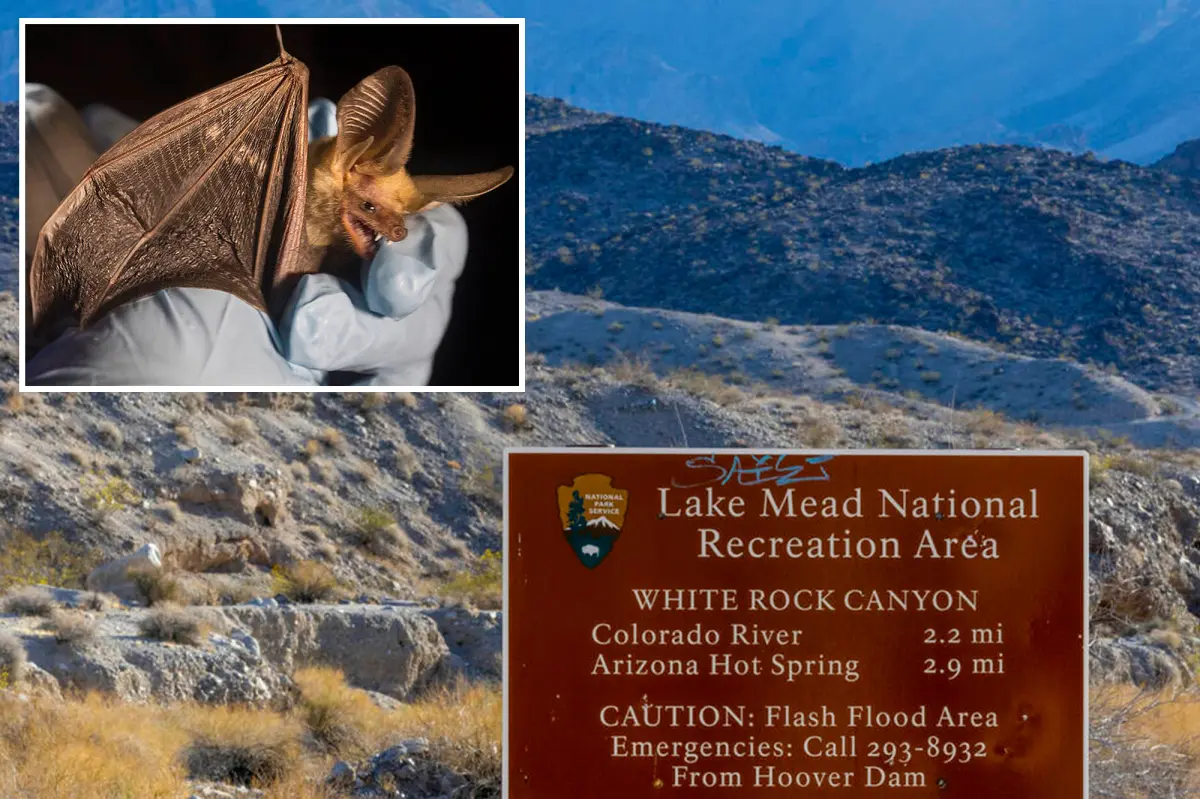
In a significant environmental development, the Nevada Department of Wildlife (NDOW) has confirmed the presence of Pseudogymnoascus destructans (Pd), the fungus responsible for white-nose syndrome in bats, at Lake Mead National Recreation Area. This marks the first detection of this potentially devastating fungus in Nevada, continuing its concerning westward spread across the United States since its initial discovery in New York in 2006. While officials have detected the fungus during routine monitoring activities, they’ve emphasized that no bats have yet shown clinical signs of the actual syndrome—characterized by distinctive white fungal growth on infected bats’ muzzles and wings. The discovery represents a critical moment for conservation efforts focused on these ecologically vital mammals whose populations have been decimated in eastern states where the syndrome has fully taken hold.
The mechanics of this disease make it particularly devastating for bat communities, according to medical experts including Dr. Marc Siegel. The fungus operates by attacking bats during their most vulnerable period—hibernation—when their lowered body temperatures create ideal conditions for fungal growth. As Dr. Siegel explained, “Fungus likes cold blood, and the bats cool down when they are hibernating. But the fungus forms a fuzz on their wings and muzzles. As they wake up from hibernation, they start behaving strangely and often die of starvation.” This creates a perfect storm of vulnerability, with infected colonies experiencing mortality rates reaching 90-100% in some documented cases across North America. While the disease poses no direct threat to humans (barring potential future mutations), people can inadvertently spread the fungus between bat habitats by carrying fungal spores on clothing, shoes, or equipment between caves and roosting sites.
The ecological implications of this discovery cannot be overstated, as bats provide critical ecological services throughout Nevada’s diverse landscapes. As NDOW specialist Jonathan Young emphasized, “Nevada’s bats are incredibly important, and this fungus could have serious implications for their conservation.” Bats serve as primary predators of night-flying insects, including agricultural pests, potentially saving farmers billions in crop damage annually. A single bat can consume thousands of insects nightly, making them natural pest controllers. Additionally, some bat species are important pollinators for desert plants. The potential disruption to these ecosystem services makes the detection of Pd particularly alarming for both environmental health and potentially agricultural economies that benefit from the natural pest management bats provide.
Wildlife officials have not been caught unprepared by this development. “We knew it was a matter of time before Pd arrived in Nevada, and we have been vigilantly surveying bats for many years now, not only for this fungus but also to track their population trends,” said Young. The early detection represents a partial success of these monitoring efforts and provides valuable time for implementing mitigation strategies before the syndrome potentially becomes established in local bat populations. NDOW and partner agencies are now deploying a multi-faceted approach to manage the situation, including intensified monitoring of bat populations, implementation of strict decontamination protocols for researchers and cave visitors, habitat protection measures, and expanded public education efforts to prevent unintentional human spread of the fungus to new locations.
Public cooperation has become a crucial component in the response strategy. Officials are specifically urging visitors to avoid entering abandoned mines—not only for personal safety reasons but also to prevent potentially carrying the fungus to new bat habitats. For those who do legitimately enter caves or bat habitats, wildlife authorities recommend following decontamination protocols, including thoroughly cleaning and disinfecting all clothing, footwear, and equipment before visiting different bat locations. The discovery at Lake Mead National Recreation Area is particularly concerning given the park’s expansive reach—spanning over 1.5 million acres across southeastern Nevada and northwestern Arizona, with diverse habitats including mountains, canyons, valleys and two major reservoirs. This vast area presents significant challenges for containing the fungus but also highlights the importance of the year-round park in providing critical habitat for numerous bat species.
The detection of Pd in Nevada represents a critical moment in the westward progression of white-nose syndrome across North America, with potentially profound implications for bat conservation throughout the western states. While the presence of the fungus doesn’t guarantee an outbreak of the syndrome itself, historical patterns in other states suggest that manifestation of the disease often follows fungal detection within a few years. The situation underscores the delicate balance between human activities and wildlife health, demonstrating how seemingly innocent actions like cave exploration can inadvertently threaten entire species. As monitoring continues and intervention strategies are implemented, the coming years will reveal whether Nevada’s bat populations can avoid the devastating outcomes experienced in eastern states or whether this detection marks the beginning of a significant ecological challenge for the region’s bat communities. The discovery ultimately highlights the interconnectedness of ecosystems and the critical importance of proactive wildlife disease surveillance in protecting biodiversity.