





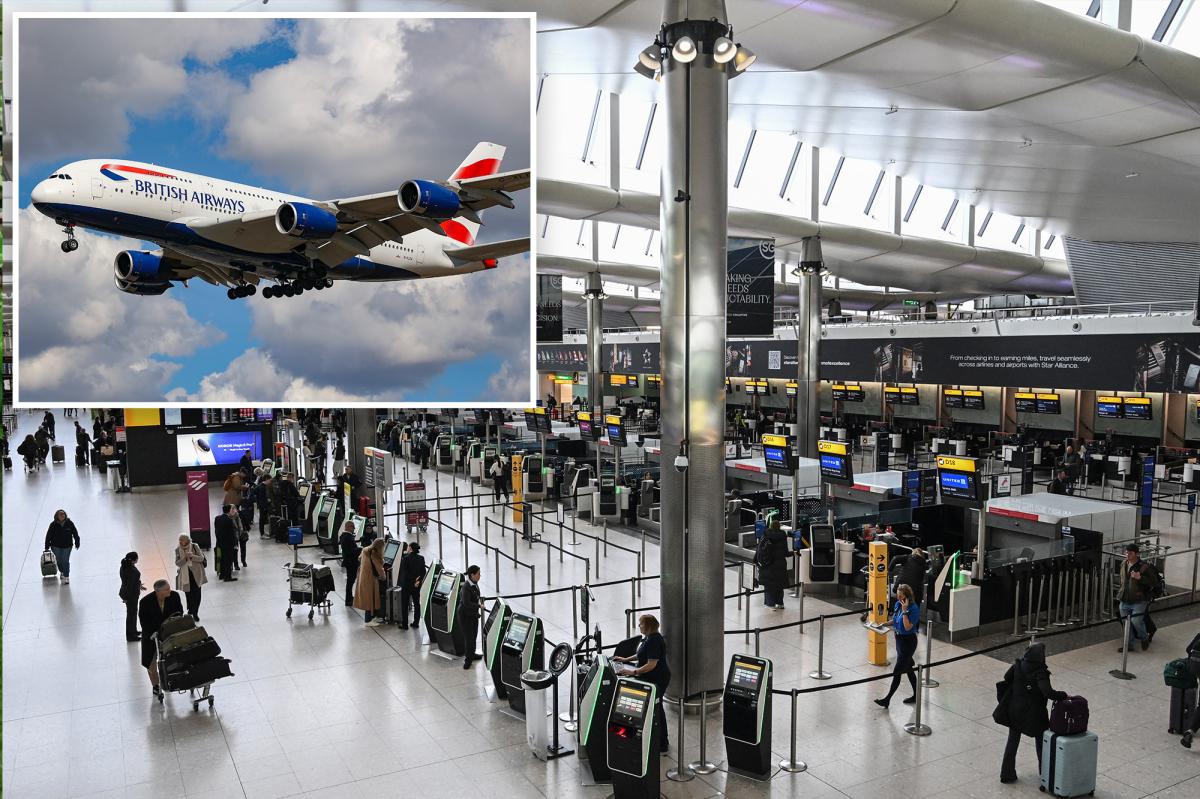
Imagine boarding a British Airways flight from the bustling metropolis of Hong Kong to the grey skies of London Heathrow—a routine journey for many, but for those on Flight BA32, it unfolded into a harrowing ordeal that would etch itself into their memories forever. Picture a seasoned traveler in her 60s, seated comfortably in economy class, perhaps dreaming of reuniting with loved ones after a long business trip or family visit. The plane, a sleek Airbus A350-1000, taxied down the runway and lifted off into the night sky, engines humming a steady promise of adventure. But within the first hour, tragedy struck—the woman succumbed to an undisclosed illness, her life fading amid the hum of recycled air and the distant chatter of passengers. Crew members, trained for turbulence and delays, were suddenly thrust into a nightmare at 35,000 feet, dealing not just with logistics but with raw human grief.
As the reality set in, the captain and flight attendants grappled with a chilling decision: should they divert the plane back to Hong Kong? Sources revealed a brutal aviation truth—sheer pragmatism dictated they press on. Once a passenger has passed away, it’s not deemed an emergency, a fact that speaks to the calculated detachment airlines must maintain at high altitudes. The woman’s family, seated nearby, were devastated, their tears flowing freely in the confined cabin. Crew members felt the weight too; a source described their collective trauma, with many advocating to turn back despite the miles already flown. In a world where time is money and routes are optimized for efficiency, this choice underscored the isolation of such moments—soaring above oceans, far from ground-based help. Passengers, initially oblivious, began sensing the undercurrents of sorrow, their easy chatter giving way to whispered concerns, transforming the flight into a shared psychological burden.
The crew scrambled for a solution, their training manuals suddenly inadequate for this grim task. Initially, they considered the unthinkable: storing the body in a lavatory, a proposal swiftly rejected out of respect for both the deceased and the living who might need to use the facilities. Instead, staff wrapped the woman gently in linens, their hands trembling as they moved her to a rear galley—a temporary hold meant for catering supplies. Unbeknownst to them, the galley floor was heated to keep food warm, accelerating a grim deterioration as hours ticked by. Imagine the astronauts of the airlines—attendants trained to smile through engine failures—now contending with decay in the confines of their workspace. They rotated duties uneasily, trying to shield passengers from the truth while the body lay there, a silent reminder of mortality in the sky. The atmosphere thickened with an unspoken dread, passengers glancing back toward the galley, sensing something amiss but not daring to ask.
As the long-haul slog continued past hours and into the night, the consequences of that decision became undeniable. By the time the plane started its descent toward London, a foul odor began permeating the rear of the aircraft—a sickly scent that clued in even the most distracted travelers. Coughs and wrinkled noses signaled the collective unease; some felt a creeping nausea, wondering if it was turbulence or something sinister. For the family, every minute stretched like an eternity, their grief compounded by the indignity of it all. Crew members, already emotionally drained, had to maintain composure, serving drinks and meals while wrestling with their own revulsion. This wasn’t just a flight anymore; it was a crucible of endurance, where the trendy optimism of modern travel clashed with the primal realities of life and death. Whispers circulated cabin to cabin—what if it were me?—as the miles to Heathrow dwindled but the psychological toll ballooned.
Upon landing at Heathrow, the nightmare refused to dissipate into the taxiways. Police boarded the plane, ordering all 331 passengers to remain seated for nearly 45 minutes while investigators pieced together the onboard tragedy. Families huddled together, recounting their shock, while businessmen fidgeted, delayed meetings racing through their minds. The body was finally removed with solemn respect, but the incident left an indelible mark. Crew members, particularly those who had directly handled the situation, reported significant distress; some took voluntary time off to process the trauma, haunted by the what-ifs of that fateful night. Passengers disembarked with ashen faces, their travel stories now tainted by a macabre chapter. In interviews later, many described a profound sense of violation—trust in airlines shattered, replaced by questions about how such events could unfold in the air without intervention.
British Airways addressed the uproar with a measured statement, insisting that all procedures had been followed meticulously, acknowledging there’s no universal playbook for airborne deaths. They expressed sincere condolences to the woman’s friends and family, a gesture that, while kind, couldn’t erase the ordeal for those involved. Experts in aviation psychology highlight how such incidents expose the human vulnerabilities beneath the industry’s steel façade—pilots and crew grappling with emotions while prioritizing safety and schedule. For the passengers on Flight BA32, this wasn’t just a journey; it was a painful reminder of our fragilities, inspiring debates on airline policies and the need for better emotional support in the skies. In the end, as the plane was cleaned and readied for its next voyage, echoes of that day lingered, urging reflections on compassion amid the impersonal mechanics of flight. This incident, a horror at 35,000 feet, serves as a stark testament to the shared humanity we all carry—even when suspended between continents, alone with our fears.