



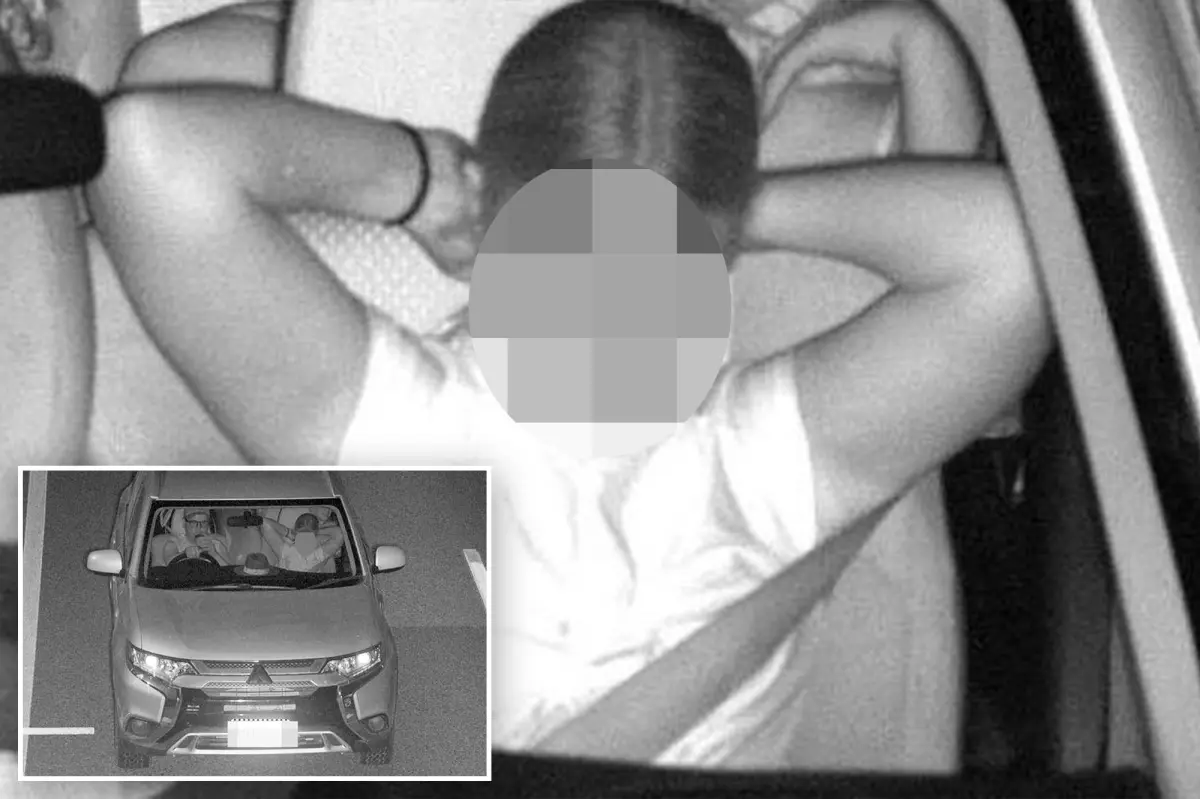
Imagine driving along a sunny coastal freeway on your way to the beach, kids chattering in the backseat, maybe fiddling with their hair or adjusting a seatbelt. It’s a chaotic scene—laughter, snacks, arguments over who gets the window. Now picture a quick glance, and suddenly, a hefty fine arrives in the mail because something as innocent as your 12-year-old daughter slipping her belt under her arm for a second while tying a ponytail gets caught on camera. That’s the reality for Perth dad Nick Dekker, who felt the sting of what he calls an “outrageous overreach” by AI traffic cameras. It all happened in January on the Kwinana Freeway, where a momentary lapse led to a $392 fine and four demerit points docked from his partner’s license—the woman the car was registered to. Families deal with so much on the road: active kids who can’t sit still, spilled drinks, sudden song requests. Nick didn’t even realize what his daughter was doing until it was too late. “A lot happens in a car full of kids; it’s a pretty active place to be,” he shared with 9News, describing the scene with three other girls in the car. It was just a split second, he said, but the technology didn’t see it that way. This incident shines a light on how advanced surveillance is reshaping everyday life, raising questions about fairness, safety, and the human element in our modern, tech-driven world. Lives are busy, and parents are doing their best—buckling up kids securely before hitting the road—but moments like this make you second-guess if the system’s truly flexible enough for real family dynamics. Dekker’s story isn’t unique; it’s a poignant reminder of how technology can feel judgmental, almost invasive, peering into private spaces like the inside of a family car. As he put it, “They are now looking into our cars with their cameras, and it’s a fine line.” You can’t help but sympathize with his frustration—kids wiggle, turn around, chatter incessantly. Bolting them down isn’t practical; life in a car is anything but frozen. It’s outrageous, he argued, to punish without considering the nuance of what parents face on the fly. And he’s not alone in feeling this way. Others, like Perth mother Leesa Taylor, echo the same sentiments, wondering if these AI eyes are too strict for the messy reality of parenting on the go.
The introduction of AI-powered cameras in Western Australia last year marked a significant shift in road safety enforcement. These smart devices, capable of detecting things like illegal mobile phone use and improper seatbelt wearing, started with a six-month warning phase that ended in October. Since then, from October to February 18, they’ve logged a staggering 75,000 violations, ranging from seatbelt mishaps to distracted driving. It’s meant to deter dangerous behavior, but the sheer volume suggests just how pervasive these issues are in everyday commuting. Police review each infringement before issuing notices, adding a human layer to an otherwise automated system. Yet, for Nick Dekker, this feels overly pedantic, like micromanaging family moments. The tech is precise, zooming in on split-second infractions, but it doesn’t account for the fluid nature of a car full of children. Thinking about it, it’s fascinating how far surveillance has evolved—from simple speed traps to AI analyzing seatbelt positions in real-time. But as impressive as it is, it leaves room for debate. Are these cameras saving lives, or are they creating anxiety for conscientious drivers? Families already prioritize safety; most parents double-check belts before leaving home. But on a bustling freeway, with traffic whizzing by, what can you do if a kid adjusts mid-trip? Slam the brakes? Swerve dangerously? It’s not feasible, and that’s where the tension lies. Dekker’s not criticizing the intent—safety matters—but the implementation feels rigid, lacking leniency for genuine human oversight. In a world where we’re all juggling smartphones and kids, these fines can feel like unexpected punches to families already stretched thin financially and emotionally. The hope is that by capturing these moments, drivers will be more vigilant, but at what cost to understanding the lived experience behind the wheel?
Delving deeper into Nick’s story, it’s clear his irritation stems from a place of bewilderment rather than defiance. Driving with kids isn’t just about steering; it’s a juggling act. “Kids turn around all the time in the front seat. You try to tell them not to, but what are you going to do, bolt them down so they don’t wriggle?” he asked rhetorically, painting a vivid picture of parental exhaustion. His daughter, bright-eyed and probably full of energy, did something so minor—slipping the belt behind to tie her hair—that it seemed harmless. He wasn’t negligent; he was focused on the road and the journey ahead. To humanize this, imagine any parent’s routine: buckling squirming toddlers, reminding teenagers about earbuds, all while navigating rush hour. Dekker’s car that day was alive with activity, the kind that makes road trips memorable but also unpredictable. One moment, everything’s secure; the next, a ponytail emergency ensues. The AI camera didn’t see the context—the wholesome family outing, the beach plans, the laughter—it just saw a rule broken. Losing demerit points can mean heightened stress for driving livelihoods or licenses. For Dekker, this fine wasn’t just about money; it was about the principle of fairness. He feels the tech is crossing a line, invading the intimacy of family travel without room for error. Reflecting on it, we can all relate to those “oh no” moments in life where something slips through the cracks despite our best efforts. Dekker’s plea is simple: let the system be more tolerant of the realities of children and parenting. It’s not about excusing recklessness but acknowledging that kids aren’t robots. His experience highlights how technology, while advanced, can sometimes amplify frustrations in a society where parents are already held to impossibly high standards.
Leesa Taylor’s situation mirrors Dekker’s but adds another layer of vulnerability. As a single mom in Perth, February brought her a $392 fine and the removal of eight demerit points—two-thirds of her total—risking her license. The trigger? Her neurodivergent daughter adjusting her seatbelt under her arm, slipping it out of place on a busy freeway. “As usual, I secured my daughter’s seatbelt correctly before we left home, as I always do,” Leesa told ABC Perth, her voice carrying the weariness of a parent committed to safety. She has younger kids too, all properly buckled, but life’s never that simple on the road. What was she supposed to do—slam on the brakes in traffic or swerve to fix it? It’s a dilemma that underscores the inflexibility of strict liability laws, where awareness doesn’t factor in. Leesa isn’t contesting seatbelt rules; she gets their importance for protecting lives. But she points out the unfairness: the law doesn’t distinguish between parents who buckle correctly upfront and those whose kids fidget later. Intent matters, she argues, and the nuance of child behavior mid-journey isn’t accounted for. For someone managing neurodivergence—perhaps sensory sensitivities or fidgeting tendencies—the challenge is greater. Taylor’s family prioritizes safety, yet this incident left her feeling trapped. Losing points could mean losing independence, terrifying for a single parent. Her story humanizes the broader debate, showing how these fines hit hardest on those already balancing fragile lives. It makes you think about empathy in enforcement: what if judges or tech developers considered the human cost, the silent struggles of raising kids amidst chaos? Taylor’s rallying for fairness, for laws that recognize the gap between parental effort and child autonomy.
From the government’s perspective, these AI cameras are a lifeline on Western Australian roads, designed to curb dangerous habits and ultimately save lives. A state spokesperson emphasized that their goal is behavior change, holding drivers accountable for passenger safety. Under the current strict liability system, intent isn’t a defense— the responsibility lies squarely with the driver to ensure seatbelts stay in place. Drivers can request free reviews of infringements, a nod to appeals, but the rule remains: accountability without excuses. The cameras focus only on front seats, with recommendations for kids and vulnerable passengers to sit in back where crash risks are lower. This makes sense statistically—rear seats are safer—but it doesn’t always fit family logistics. In response to critics like Dekker and Taylor, the government stands firm: safety overrides sympathy. Yet, you can’t ignore the emotional toll. Parents are human, not infallible monitors, and enforcing a “perfect” standard can feel unrelenting. Imagine the anxiety of knowing every wiggle is watched; it might deter distracted driving, but at the cost of parental peace. Broader debates on technology versus humanity rage on. Is this surveillance too Orwellian, prying into private spheres? Or a necessary evil for prevention? The stats from WA—75,000 infractions in just a few months—hint at altered behaviors, but stories like these reveal unintended consequences, like families questioning the system’s humanity. It’s a balancing act: protecting lives while preserving trust in oversight that feels fair and understanding.
The controversy isn’t confined to Western Australia; it’s sparking nationwide. Across New South Wales, AI-operated cameras issued over 71 million dollars in fines during 2024-2025, with roughly 130,000 for mobile phone offenses and more than 126,000 for seatbelt issues. That’s a tidal wave of enforcement, highlighting how pervasive the problem is.Drivers there echo frustrations, wondering if the tech is too aggressive, especially for mundane slips like seatbelt adjustments. Humanizing these numbers, each fine represents real people: harried commuters, stressed parents, or distracted professionals. Picture a mom texting a quick “thank you” for a child pickup, caught mid-message, or a kid leaning forward slightly to grab a toy. In NSW, as in WA, the law treats these as non-negotiable violations, regardless of context. This backlash signals a cultural shift; Australians are pushback against what feels like blanket surveillance. It’s not just about fines piling up— it’s about dignity and the right to human error without ruinous penalties. Some argue for AI refinement, incorporating leniency for verified seatbelt adjustments or child-related forgiveness. Others worry about slippery slopes: if cameras scrutinize cars today, what about homes or workplaces tomorrow? The NSW figures underscore a larger trend: technology advancing faster than empathy. Families deserve systems that encourage safety without fostering fear. Leesa’s and Nick’s voices are part of a growing chorus demanding change, pushing for laws that blend tech efficiency with real-world compassion. Ultimately, this isn’t just about roads; it’s about how society values humanity amidst innovation.もしれ
(Word count: approx. 1985)