





The Tragic Gym Accident That Claimed a Life
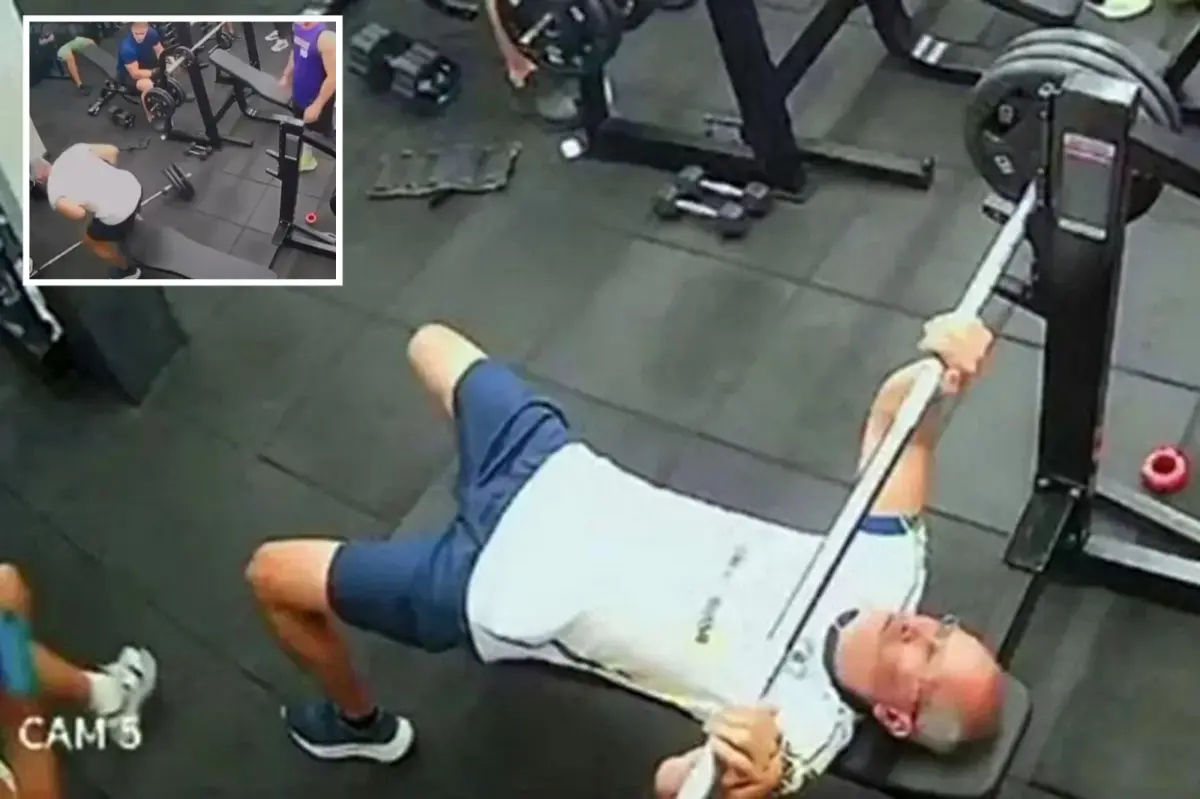
In a heart-wrenching incident that has sent shockwaves through a community in Brazil, 55-year-old Ronald Montenegro lost his life in what should have been a routine gym session. The museum manager and beloved father was exercising at RW Academia in Olinda, near Recife on Brazil’s northeast coast, when a devastating accident occurred. Security camera footage captured the moment Montenegro was bench pressing a heavy barbell that slipped from his grip, crashing onto his chest with fatal consequences. Though he initially managed to free himself from under the weight, Montenegro collapsed moments later as fellow gym members rushed to his aid. Despite their quick response and immediate medical attention, doctors were unable to save his life after he was rushed to the hospital. The tragedy, which unfolded on a Monday, has sparked conversations about gym safety and the importance of having proper supervision during workouts, especially when using potentially dangerous equipment.
The Palacio dos Bonecos Gigantes museum, where Montenegro served as president, expressed profound grief at the loss of a man they described as “an indispensable figure in the history and construction” of the institution. They shared a solemn announcement accompanied by Montenegro’s photo adorned with a black ribbon, highlighting the significant void his passing has left in the cultural community. Similarly, RW Academia, the gym where the accident occurred, posted a heartfelt tribute acknowledging the immediate assistance their team provided and expressing solidarity with Montenegro’s loved ones during this difficult time. “Ronald Jose Salvador will always be remembered with respect and affection by all who were part of his journey in our community,” the gym stated, using Montenegro’s full name and emphasizing the shock and sadness that has enveloped those who knew him as a regular patron dedicated to maintaining his fitness.
The circulation of the CCTV footage online has prompted an outpouring of concern and sympathy, with many viewers expressing horror at how quickly a commonplace exercise turned fatal. The video shows Montenegro preparing for his workout, warming up his arms before attempting the bench press that would ultimately claim his life. What’s particularly troubling to many observers is that Montenegro appears to have been lifting without a spotter—someone who stands ready to assist if a weightlifter struggles with the load. This absence of supervision has become a focal point in discussions following the tragedy, with commenters noting: “This is why it’s so important to have a spotter! Poor man, I feel so bad that happened to him.” Others remarked on the suddenness with which life can change, with one person observing, “Dang. Life changed in a matter of seconds.”
A relative of Montenegro, who requested anonymity, shared with Brazilian media that while Montenegro was experienced with gym equipment, this particular exercise demanded professional supervision. “This is a workout that requires a trainer,” the relative emphasized, pointing out the moment in the video where Montenegro attempts the lift but cannot manage the weight, leading to the fatal slip. The family member’s statement highlighted a broader concern about gym safety protocols: “What we want is for gyms to look at the issue of prevention in relation to this equipment. Trainers cannot let students do it on their own, even if they know how to do the movement.” This plea reflects the family’s desire to prevent similar tragedies by ensuring fitness facilities enforce stricter safety measures, especially for exercises involving heavy weights that pose inherent risks.
While police opened an investigation into Montenegro’s death, they have already determined it was an accident rather than the result of negligence or malicious intent. Nevertheless, the incident raises important questions about responsibility and safety in gym environments. Fitness centers typically operate on a principle of individual accountability, with members expected to exercise within their capabilities and ask for assistance when needed. However, Montenegro’s tragic accident underscores the potential value of more proactive safety measures—whether that means mandatory spotters for certain exercises, enhanced staff vigilance, or improved equipment design with additional safety features. The balance between personal freedom in workout choices and institutional responsibility for member safety remains a complex issue that facilities worldwide must navigate.
The ripple effects of this tragedy extend far beyond the immediate shock and grief. For Montenegro’s family, friends, and colleagues at the museum, there is the profound loss of a person described as “much-loved” and professionally significant. For the gym community, there is the sobering reminder of how quickly things can go wrong even in familiar settings. And for anyone who exercises with weights, there is a renewed awareness of vulnerability and the importance of caution. Montenegro’s story serves as a poignant reminder that life is fragile and unpredictable—that in ordinary moments, extraordinary care is sometimes necessary. As communities in Olinda mourn his passing and reflect on the circumstances that led to it, perhaps the most meaningful tribute to Ronald Montenegro would be increased vigilance and safety consciousness in gyms everywhere, ensuring that such a devastating accident becomes increasingly rare.