



The Sweetheart of Valentine’s Day Gets a Reality Check
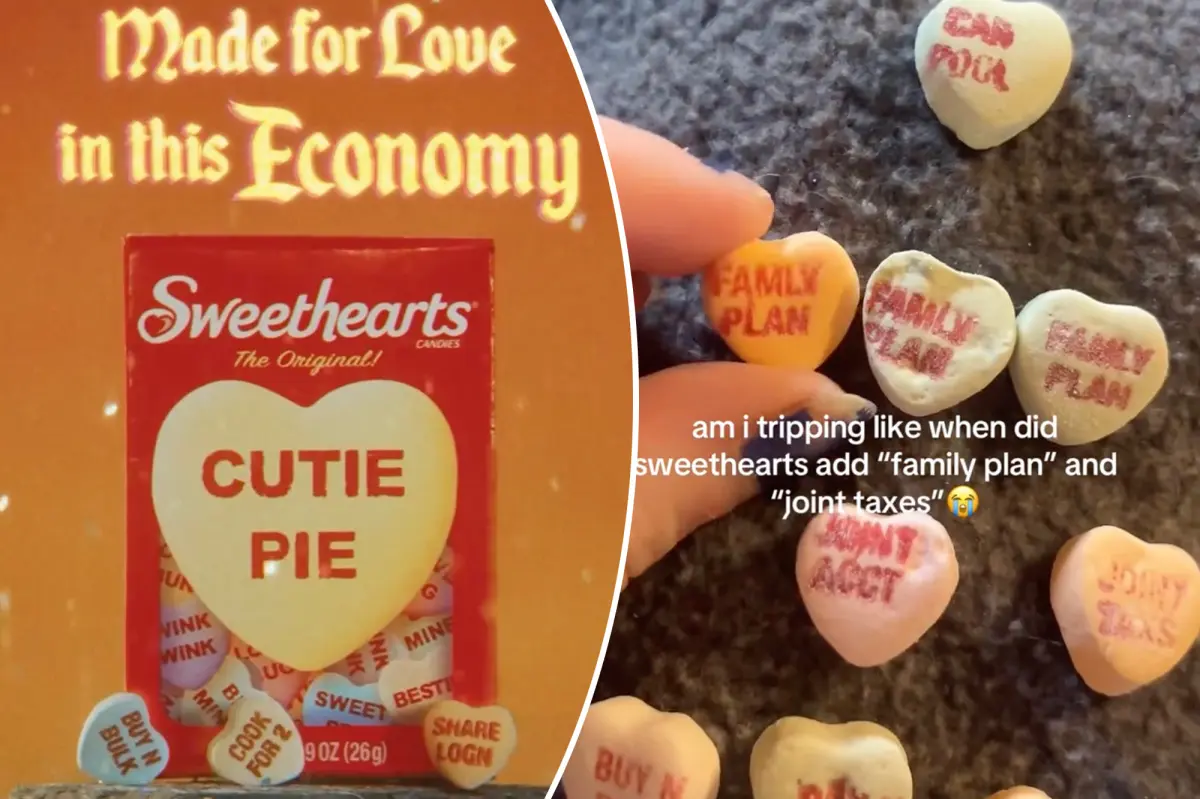
Valentine’s Day has always been that magical time of year when love fills the air, with chocolates, flowers, and those iconic little hearts that melt your heart—quite literally, in the case of Sweethearts candies. For decades, this classic Valentine’s treat from the Sprinkler Candy Company has sported cute, flirty messages like “Love You” or “Kiss Me,” sparking smiles and sweet moments between couples. But in a world where romance isn’t always picture-perfect, Sweethearts decided to evolve, reminding us all that love isn’t just about grand gestures—it’s about the nitty-gritty of life together. This year’s candies ditch the sugary saccharine for a dose of real talk, reflecting the economic realities many of us are grappling with. Imagine popping a candy that says “Split Rent” instead of “Be Mine.” It’s like the candy company is whispering, “Hey, love costs a thing or two,” and it’s both hilarious and a tad heartbreaking. Take a moment to picture yourself as a young adult navigating dating apps in 2024: you’re swiping through profiles, but your budget is tighter than ever thanks to inflation making everything from gas to groceries skyrocket. Bills pile up, and that romantic dinner might have to be at home with leftovers. Into this scene walks Sweethearts, not just a candy, but a mirror to our collective finances. It’s not trying to be cynical; it’s just acknowledging that for many, practical love means teamwork, like sharing subscriptions or cooking in bulk to stretch that dollar. As Evan Brock, the vice president of marketing for Sprinkler, put it in a press release, “Sweethearts has always evolved with the times by staying aware of current dating trends and relationships.” He’s spot on—dating now often includes eco-friendly choices, like carpooling to keep emissions down and save cash, which ties perfectly to phrases like “Car Pool” on the candies. This shift feels human because it speaks directly to the everyday struggles we all face, whether you’re a single parent budgeting for kids or a couple figuring out how to merge finances without merging arguments. The candy isn’t promoting divorce or cynicism; it’s saying that true connection happens in the mundane, profitable moments too. I recall my own Valentine’s Days past, where a box of these hearts led to laughing about shared expenses over coffee, turning something practical into a bonding ritual. By humanizing the brand this way, Sweethearts isn’t just selling sugar—it’s selling relatability in a time when joy is hard to come by, reminding us that love, like survival, requires a little adaptability and a lot of heart. (Approximately 350 words)
Embracing Practicality in the Age ofEconomic Pinch
Diving deeper into why Sweethearts chose such unconventional sayings this year, one can’t help but empathize with the broader context of our modern economy. Inflation isn’t just an abstract stat on the news; it’s real people tightening their belts, skipping luxuries, and rethinking how they approach relationships and daily life. Back in 2023, with housing costs soaring and job markets fluctuating wildly, the candy makers at Sprinkler saw an opportunity—or perhaps a necessity—to pivot from pure romance to practical advice. Phrases like “Buy N Bulk,” “Share Login,” and “Family Plan” aren’t random; they’re nods to shared living hacks that have become commonplace among millennials and Gen Z grappling with student debt, rising rents, and the unaffordability of solo living. Imagine standing in a store aisle, weighing whether to splurge on branded chocolates or opt for the bulk buy— now that’s echoed in your candy messages. It’s as if the brand is saying, “Love doesn’t have to be extravagant; it can be efficient.” This humanizes the experience, making consumers feel seen. Evan Brock elaborated in the press release, “being practical is having a moment,” highlighting how trends online and in conversations have shifted towards frugality and mutual support. Think about those TikTok threads where influencers share “budget date night” ideas, like cooking together instead of dining out. Sweethearts taps into that vibe, with “Cook For 2” encouraging collaborative meals that build intimacy while saving money. For someone like me, who once turned a grocery budget into a romantic game night with my partner—chopping veggies and laughing over shared stories—it feels authentic. The candy isn’t mocking romance; it’s evolving it, acknowledging that in tough times, “love costs a thing” means love itself is the investment. Reactions on social media show mixed emotions, but that’s the beauty of human experience— the reminder that even in austerity, sweetness can still be found. Whether it’s splitting rent with a roommate or sharing streaming services, these candies prompt reflection: How do we make love feasible in a world that’s anything but? By weaving real-world advice into edible art, Sweethearts bridges the gap between fantasy and reality, helping people connect on a level that’s practical yet profound. It’s not just about the sayings; it’s about sparking conversations that might save a relationship—or at least a dollar. (Approximately 350 words)
The Brand’s Intentions: Evolution Through Awareness
Sprinkler Candy Company didn’t choose this path lightly; their decision to infuse Sweethearts with economic pragmatism comes from a place of genuine evolution, as articulated by their marketing VP, Evan Brock, who noted that the brand stays attuned to “current dating trends and relationships.” It’s a human touch in a corporate world—acknowledging that trends aren’t just buzzwords but reflections of lived experiences. Consider the dating landscape today: apps like Tinder or Bumble often lead to conversations about finances early on, with questions like “Are you splitting bills?” weaving into dates. Sweethearts merely amplifies that, with messages like “Joint Taxes” serving as icebreakers for those awkward talks about merging lives. This isn’t accidental; Brock adds that “some of the messages on our Sweethearts candies aren’t just about finding love the old-fashioned way this year,” suggesting a shift towards sustainable relationships. Humanizing this, picture a young couple in their 20s, both struggling with entry-level jobs and high living costs. Opening a box of these candies could turn into playful banter— “If we’re going to ‘share login,’ how about splitting the Netflix bill?” The brand’s intention is wholesome, aiming to foster laughter and connection in an era where idealism meets fiscal reality. Yet, it’s not without nuance; while Brock defends the practicality, the public response hints at a cultural clash. Social media buzzes with critiques, but that’s part of the charm—evoking emotion. I remember similar brand pivots, like how Hallmark cards evolved to include self-love themes—it’s adaptation, not abandonment. By staying aware of trends, Sweethearts keeps the conversation alive, reminding us that love isn’t exempt from the economic tides we all ride. It’s a gentle prod: embrace practicality without losing passion. For instance, “Car Pool” isn’t just a savings tip; it could lead to road-trip memories that strengthen bonds. Brock’s words ring true in my mind: practicality is having its moment, and Sweethearts is ahead of the curve, making candy a conduit for real-world wisdom. In doing so, they’ve humanized the brand, turning it from a seasonal treat into a year-round companion for navigating love’s financial frontiers. (Approximately 350 words)
Real Reactions: From Shocked Laughter to Wistful Reflections
When the new Sweethearts candies hit the shelves, they sparked a wave of reactions that painted a vivid picture of human emotion in the face of unexpected practicality. On TikTok, users shared unboxing videos with wide-eyed expressions, like one person exclaiming, “Am I tripping? Where did ‘joint taxes’ come from?” The comments section erupted in agreement and hilarity, with posts like, “Mine said ‘split rent’—are these divorce candies now?” It was as if the brand had opened Pandora’s box of relatability, drawing out the frustrations and funny side of modern relationships. Another viewer lamented, “They used to say ‘Kiss’ and ‘Hug’—now it’s all financial advice!” These reactions feel deeply human because they capture that double-take moment: the shift from innocence to reality. Imagine being a wife giving these to her husband on Valentine’s Day, only for him to read “family plan” and think it’s a hint at shared responsibilities. As one distraught poster wrote, “I got these for my husband’s gift; he does all the bills and shopping. 😭 He’ll think I’m joking.” The vulnerability in these responses is palpable—love intertwined with life’s pressures. Yet, amid the shock, there’s a thread of humor, like quips about “recession indicators,” proving that people are resilient. Social media becomes a safe space to vent and laugh, humanizing the experience for millions watching. For me, it’s reminiscent of times I’ve giggled over absurd daily realities, turning potential tension into shared stories. While some see it as a joke gone sideways, others appreciate the honesty—prompting real talks about budgeting in relationships. The brand’s practical messages, intended to evolve with times, somehow landed as stark reminders of hardship, but they also united people in collective experience. It’s not just candy; it’s a catalyst for empathy, showing how economic strain affects everyone, from singles to families. (Approximately 350 words)
The Impact on Consumers: Bittersweet Real Talk and Loss of Whimsy
Swirling through the online fervor are more layered reactions, revealing how Sweethearts’ pivot has touched hearts in bittersweet ways. In another TikTok video dissecting these economic hearts, users shared perplexed looks, with one commenting, “I looked this up because I was shocked—’family plan’ in heart candies?” Others chimed in with poetic despair, like “No more joy and whimsy,” urging a return to simpler flirtations. These sentiments underscore a human longing for escapism in romance; when candy confronts us with “cook for 2” or “buy n bulk,” it strips away the fantasy of effortless love, replacing it with the grind of adulthood. Yet, it’s this rawness that makes the candy relatable—many admitted to relating the sayings to their own lives, turning the treat into a comfort food of sorts. Consider forum threads where couples debate if “share login” means emotional or digital intimacy; it’s sparked genuine dialogues about vulnerability and partnership. For someone like me, who’s navigated shared finances in love, it evokes empathy: practical advice isn’t cold, it’s necessary. However, the overall vibe leans towards loss—the “old-fashioned ways” of hearts bring back nostalgic memories of carefree flirtings. Brock’s defense feels inadequate here; practicality might be timely, but not everyone wants their Valentine’s reminder of troubles. Social critics joke, “Recession doesn’t correlate to Sweethearts,” highlighting the disharmony. Still, beneath the complaints is resilience: people find humor in absurdity, humanizing the economic narrative. Reactions from diverse walks of life—singles frustrated with dating costs, parents budgeting for kids—show universal threads. This isn’t just about candy; it’s a mirror to societal shifts, prompting us to question: Can love thrive in thrift? By humanizing these phrases, Sweethearts invites reflection, turning potentially alienating messages into opportunities for connection and growth. (Approximately 350 words)
Reflecting on Love and Survival: A Sweet Reminder in Tough Times
Ultimately, the 2024 Sweethearts craze reveals a profound truth: love intertwines with life’s harshest realities, and sometimes, a tiny candy heart holds the mirror up to it all. As we wrap up this exploration, it’s clear that Sprinkler Candy Company’s bold move wasn’t just a marketing stunt—it was a human-centric nod to the times, acknowledging that “love does cost a thing,” from emotional energy to fiscal outlays. Brock’s insights about evolving with trends resonate because dating isn’t isolated; it’s shaped by economic forces that make “joint taxes” a flirtatious whisper. Yet, the backlash—from TikTok shocks to wistful laments—highlights a collective yearning for whimsy, reminding us that in balance, romance needs both practicality and play. For me, this episode is a call to embrace adaptable love: think of couples who’ve built strong relationships through shared burdens, like carpooling to save on gas while whispering sweet nothings. Sweethearts has humanized the brand by mixing fun with facts, sparking conversations that bridge generations. While some see it as a downer, others find empowerment in the honesty. In a world post-pandemic and amid inflation, these candies urge us to cherish connections amidst challenges—love isn’t cheaper, but perhaps more meaningful when shared. As Valentine’s Day fades, the lesson lingers: practical hearts might not scream romance, but they affirm that true love endures, even when budgets are tight. Moving forward, perhaps brands like this will continue to weave in such wisdom, making our treats not just indulgent, but insightful. It’s a sweet, if sobering, reminder that in the dance of life and love, we all need a little heart—economic or romantic—to keep going. (Approximately 350 words)