






Responsible Drinking at Sea: Carnival Cruise Line Addresses Beverage Package Rumors
In the vast world of cruise vacations, where millions of travelers seek relaxation and enjoyment on the high seas, misinformation can spread as quickly as ocean waves. Recently, a false rumor regarding Carnival Cruise Line’s alcoholic beverage policy gained traction online, prompting an official response from the company. This incident highlights the broader conversation about responsible alcohol consumption during cruise vacations, a topic that balances vacation enjoyment with passenger safety and wellbeing. As the cruise industry continues to grow, with nearly 38 million people expected to cruise in 2025 according to the Cruise Lines International Association, the policies governing onboard alcohol consumption remain an important aspect of the cruise experience that both companies and passengers must navigate thoughtfully.
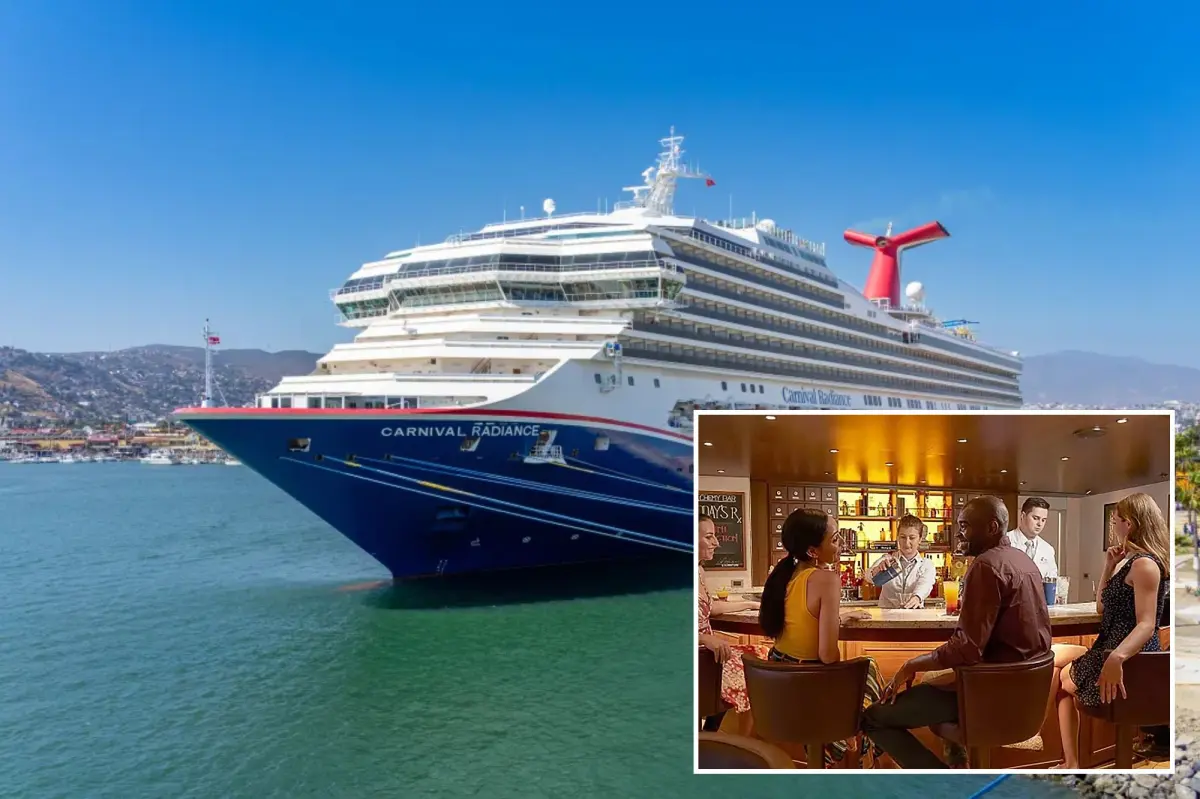
The rumor, which spread through social media channels and particularly within cruise enthusiast communities, suggested that Carnival Cruise Line had increased its daily alcoholic drink limit from 15 to 24 beverages per person, supposedly effective December 1st. This misinformation was significant enough to catch the attention of Carnival ambassador and popular cruise blogger John Heald, who took to Facebook to address the situation directly. In his post, Heald emphatically stated, “This is not true. Please ignore what is being stated there and treat it as… nonsense.” His straightforward debunking aimed to prevent confusion among future passengers who might have altered their expectations or plans based on this incorrect information. When contacted by media outlets for verification, Carnival Cruise Line directed inquiries to their official beverage packages webpage, which clearly outlines the actual policy.
The reality of Carnival’s beverage policy remains unchanged – passengers with the company’s drink package are permitted up to 15 alcoholic beverages within a 24-hour period, counted from 6 a.m. to 6 a.m. the following day. This limit represents Carnival’s attempt to balance customer enjoyment with responsible service practices. Importantly, the cruise line explicitly reserves the right to refuse service for any reason and notes that guests may be limited to fewer than 15 drinks based on the judgment and discretion of staff members. These clauses provide the crew with the flexibility and authority to intervene when necessary to ensure passenger safety, recognizing that alcohol tolerance varies significantly among individuals and that consumption at sea may affect people differently than on land due to factors like motion, sun exposure, and dehydration.
The timing of this rumor and its correction coincides with heightened attention to alcohol service on cruise ships following a tragic incident aboard a Royal Caribbean vessel. According to reports, a 35-year-old male passenger died after allegedly being served 33 alcoholic drinks within hours of the ship’s departure. The subsequent lawsuit filed by the man’s family claimed that his death – ruled a homicide by autopsy – followed a chain of events stemming from excessive alcohol service. According to the lawsuit, the intoxicated passenger became increasingly agitated while trying to find his cabin, which led to an altercation with security personnel who allegedly tackled him, administered the sedative Haloperidol, and used pepper spray during the restraint. This devastating incident serves as a somber reminder of the potential consequences when alcohol service policies are not strictly enforced or when intervention occurs too late.
The contrast between this tragedy and Carnival’s firm stance on maintaining reasonable limits illustrates the crucial balance cruise lines must strike. On one hand, vacation cruises are celebrated as opportunities for revelry and indulgence, with drink packages representing value and convenience for many passengers. On the other hand, the confined environment of a cruise ship, combined with the unique challenges of managing medical emergencies at sea, necessitates vigilant oversight of alcohol service. Most cruise lines have developed comprehensive policies not just to limit consumption but also to train staff in recognizing signs of intoxication and implementing appropriate interventions before situations escalate. These protocols represent the industry’s acknowledgment that the cruise environment requires special consideration when it comes to alcohol service – beyond what might be expected in land-based establishments.
For passengers planning future cruises, understanding these policies before embarking can help set appropriate expectations and encourage responsible enjoyment of vacation packages. While drink limits may initially seem restrictive to some, they reflect the cruise lines’ commitment to creating an environment that remains safe and enjoyable for all guests. Experienced cruisers often advise newcomers to pace themselves, stay hydrated, and remember that the value of a cruise vacation extends far beyond the beverage package – encompassing entertainment, dining, destinations, and the unique experience of traveling by sea. As the cruise industry continues to recover and grow following pandemic disruptions, the balance between customer satisfaction and safety protocols will remain an essential consideration for companies and a point of awareness for the millions who choose to vacation on the world’s oceans each year.