The Hidden Dangers Lurking in Your Reusable Water Bottles
When it comes to our daily routines, few of us give much thought to the cleanliness of our reusable water bottles. We rinse them out occasionally, maybe even wash them with soap and water, and assume they’re good to go. But what many of us don’t realize is that these seemingly innocent containers could be harboring a hidden health hazard – mold. A recent wave of social media posts has brought this issue to light, with parents and individuals alike discovering shocking amounts of mold in places they never thought to check, particularly in popular insulated bottles like those made by Yeti.
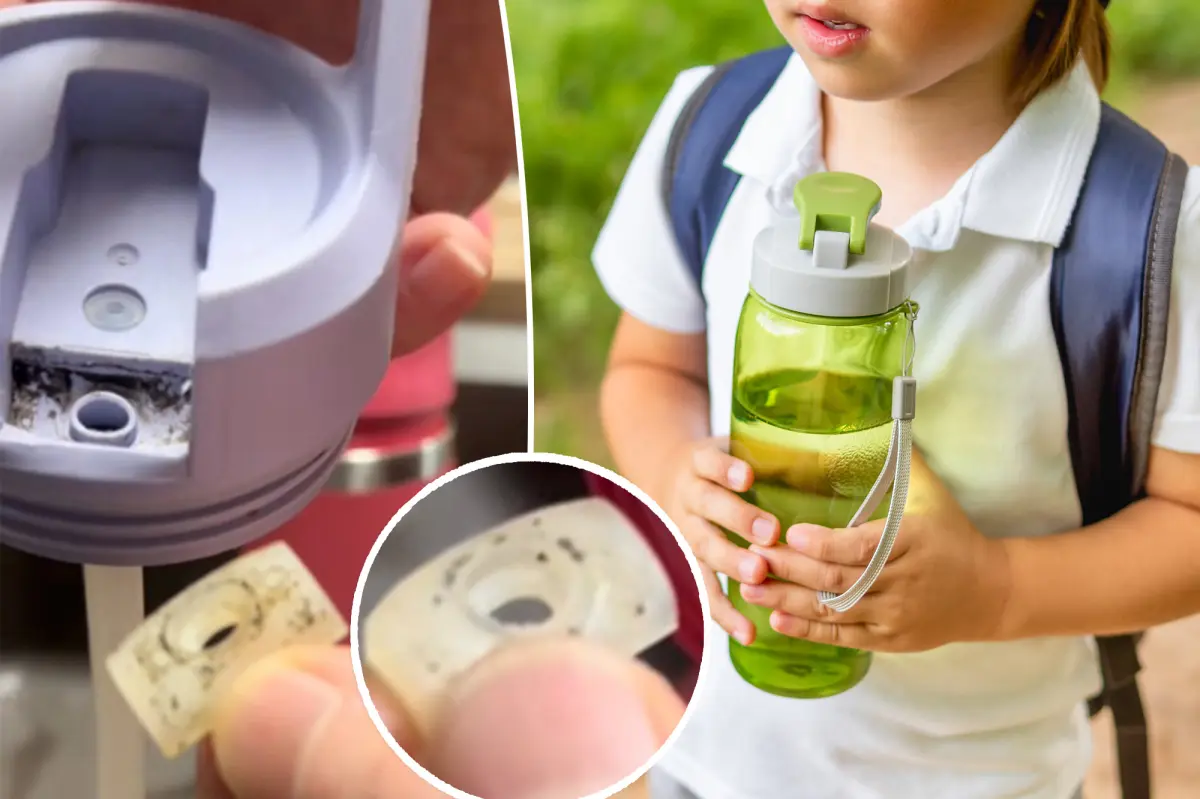
Jason Sullivan, a concerned father, recently shared his disturbing discovery on TikTok. Like many parents, Sullivan rotated the water bottles his daughter used each day, making sure to clean them regularly. Despite his diligence, he noticed they weren’t getting as clean as they should be. The problem? Many of these bottles aren’t designed to be taken apart for thorough cleaning. When Sullivan contacted Yeti for advice, they recommended boiling the bottles in hot water for 5-10 minutes. What emerged from this simple cleaning process shocked him – visible mold growing underneath the rubber seal where the straw inserts, hidden from casual inspection. “If you’re using these types of bottles, especially for children, make sure to check them regularly. There could be hidden buildup or contamination you might not notice,” he warned in his video, which quickly garnered attention from equally concerned parents and consumers.
Sullivan’s experience struck a chord with many viewers, who shared their own frustrations in the comments. “This is why we switched to Klean Kanteen — better and fewer parts to clean. Was sick of cleaning the g–damn mold,” wrote one commenter. Another lamented, “It drives me crazy that all water bottles have so many extra parts to them, making it impossible to properly clean.” The consensus seemed clear – despite the popularity and convenience of insulated water bottles, their complex designs often create hidden spaces where mold and bacteria can flourish, out of sight and out of mind. This design flaw represents a significant issue for consumers who prioritize both sustainability and health by choosing reusable bottles over disposable options.
Sullivan’s viral warning isn’t an isolated incident. Kayla Houlihan, a 32-year-old skincare company founder, shared a similar experience that resonated with millions of viewers. After battling unexplained illnesses on and off for three years, a simple suggestion from her sister led to a shocking revelation. When Houlihan finally examined the straw in her water bottle, she discovered extensive mold growth that had likely been contributing to her health problems. “I don’t know whether to laugh or cry,” she admitted in her video. In a follow-up, she acknowledged, “I know this is 100% my fault. It’s common knowledge that you clean your drink bottle straw, but I guess I missed the memo.” Her candid admission highlights an important truth – many of us simply don’t realize how thoroughly or how often we should be cleaning these everyday items.
The implications of these discoveries extend beyond mere disgust. Exposure to mold can cause a range of health issues, from mild allergic reactions to more serious respiratory problems, especially in children or those with compromised immune systems. What makes these stories particularly concerning is that many people carry these bottles everywhere, sipping from them throughout the day, potentially ingesting mold spores with every drink. The irony isn’t lost on consumers – in trying to make healthier choices by staying hydrated and reducing plastic waste with reusable bottles, they may inadvertently be exposing themselves to other health risks if proper cleaning protocols aren’t followed.
These viral warnings serve as an important wake-up call for consumers and manufacturers alike. For users, the message is clear: regular cleaning isn’t enough – periodic deep cleaning, including disassembling bottles when possible and inspecting hidden areas like rubber seals and straws, is essential. For manufacturers, there’s a growing demand for water bottles designed with hygiene in mind – ones that can be fully disassembled for thorough cleaning or that use antimicrobial materials in areas prone to mold growth. As awareness of this issue grows, companies may need to rethink their designs to prioritize not just insulation and convenience but also ease of cleaning. Until then, that reusable water bottle sitting on your desk or in your child’s backpack might deserve a closer look – and perhaps a more thorough cleaning than you’ve been giving it.