







A Sudden Halt on the Road: The Takata Airbag Crisis Unfolds
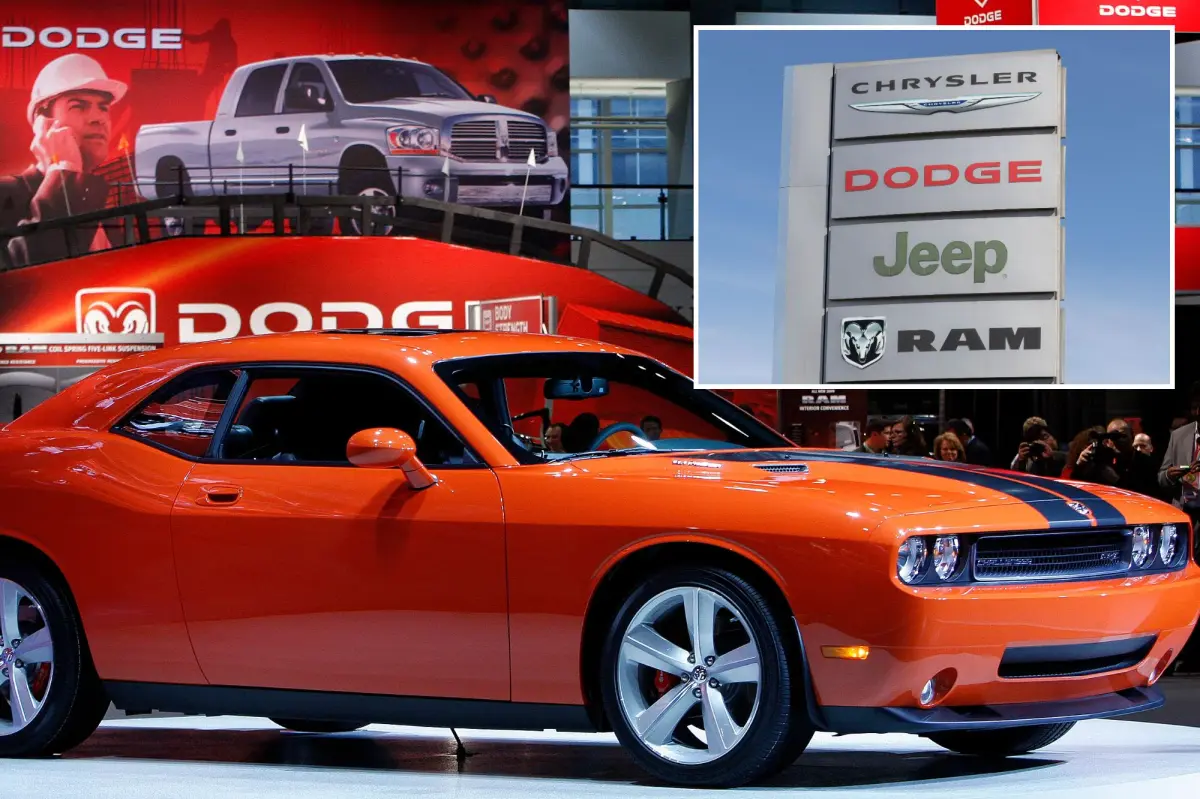
Imagine cruising down the highway in your trusty old Dodge Ram, the wind whipping through the open windows as you head out for a family road trip. It’s a scene etched into the American dream—freedom on four wheels, memories built mile by mile. But for hundreds of thousands of drivers and their loved ones, this routine joy can turn nightmarish in an instant. On a seemingly ordinary Wednesday, Chrysler parent company Stellantis pulled the emergency brake, issuing a stark “Do Not Drive” warning for about 225,000 older vehicles in the US. These aren’t just any cars; they’re beloved classics like Dodge Rams from the 2000s, Durangos, Dakotas, Magnums, Challengers, Chrysler Aspens and 300s, Jeep Wranglers, and even Mitsubishi Raiders, spanning model years from 2003 through 2016. The catch? These vehicles still harbor unrepaired defective Takata airbag inflators, lurking like hidden ticking time bombs. Stellantis isn’t playing games—they’re ringing alarms to get owners to stop everything and fix what’s broken. It’s a reminder that the vehicles we rely on to protect us can sometimes be the very thing betraying our trust. Think about it: you’ve been driving this beast for years, maybe blasting your favorite tunes or chatting with the kids in the back. Now, the manufacturer is saying, “Put the keys away until we’ve swapped out that faulty part.” It’s not just inconvenience; it’s about replacing a potential death trap with peace of mind. Owners across the US are receiving notices, their daily lives disrupted, forcing them to rethink commutes, errands, and getaways. For families who depend on these vehicles for school runs or work travel, this means carpool panic, rental hassles, or even grounding adventures. Stellantis wants everyone to know this isn’t optional—it’s a lifeline, preserving the sanctity of the open road for those who love it most.
Diving deeper into the peril, these Takata airbags aren’t failing quietly. Since 2009, reports of explosions have surfaced, turning airbags—meant to cushion crashes—into violent outbursts of metal shrapnel. Picture this: a minor fender-bender, the kind that bumps your bumper and annoys your insurance agent. But instead of gentle deployment, the inflator detonates like a gunshot, hurling jagged fragments into the cabin at lethal speeds. Drivers, passengers, even kids strapped in their seats—lives shattered in seconds. Hundreds of injuries have been documented across various automakers’ fleets, with excruciating wounds and lifelong scars that make simple tasks unbearable. One story that chills the soul is that of a mother who was driving her young children to dance practice when a low-speed collision triggered the airbag’s fury, sending shrapnel into her face and arms. She survived, but the pain lingers, a daily echo of what could have been avoided. Others haven’t been as lucky, with fatalities painting a heartbreaking tapestry. The defect stems from the propellant inside, which degrades over time under the relentless assault of heat, humidity, and years of use. It’s like a slow erosion, accelerated in climates with extreme weather swings—think the sweltering summers of the South or the damp winters of the Pacific Northwest. Owners might not notice anything amiss; the cars run fine, no warning lights, just the innocuous passage of time. But beneath the surface, that propellant is becoming unstable, ready to rupture if jarred even mildly. Stellantis and other brands are urging a nationwide awakening: test drives are no longer safe bets. Families are now grappling with fear in every lane change, parents double-checking rearviews, drivers hesitating at stop signs. The human cost is immeasurable—lost jobs from missed commutes, emotional tolls from anxiety, and the shadow of “what if” that looms over every ignition. This warning is a wake-up call, humanizing the cold mechanics of automotive failure into stories of resilience and precaution.
In their official stance, Stellantis frames this action not as a scare tactic but as a compassionate crusade to protect lives. “This action is intended to accelerate the repair of the remaining affected vehicles to safeguard owners, their families, and the general public from the risk of serious injury or death,” the company stated emphatically. It’s more than corporate speak; it’s a pledge to the people who’ve trusted their brand for generations. Stellantis, freshly formed from the merger of Fiat Chrysler and Peugeot, is doubling down on accountability, having already patched up over 6.6 million vehicles—about 95% of the recalled fleet from over a decade ago. That leaves this stubborn sliver of 225,000, those elusive ones dodging the fixes. For owners, this “stop-drive directive” means halting routines to prioritize repairs, often at authorized dealerships where mechanics swap the faulty inflators for safer alternatives. Imagine the relief when that letter arrives, promising a transformed vehicle ready to roll again. But for those still waiting, it’s a limbo of uncertainty, especially in rural areas where service centers are scarce, turning a simple fix into a logistical puzzle. Stellantis executives, likely poring over data and recalling horrified customer testimonials, are pushing for swift action to prevent the avoidable tragedies they’ve witnessed. This human element shines through—the desire to shield the elderly couple in their Wisconsin Wrangler from a roadside nightmare, or the single dad in his California Dakota ensuring safe rides for soccer practice. By emphasizing family and community safety, Stellantis isn’t just recalling parts; they’re rebuilding trust, one repaired airbag at a time.
Zooming out, the National Highway Traffic Safety Administration (NHTSA) echoes the gravity, reporting 28 US deaths directly linked to these defective inflators amid crashes. Their stern warning cuts to the core: even “minor crashes can result in exploding Takata airbags that can kill or produce life-altering, gruesome injuries.” These aren’t exaggerated horror tales; they’re documented realities from accident scenes where survivors describe the deafening bang and ensuing pain like something out of a nightmare. Worldwide, over 100 million vehicles fitted with Takata inflators have been summoned back—67 million in the US alone—making this the largest recall in American history, a staggering figure that dwarfs everyday scale. Picture the global ripples: families in Japan, Europe, and beyond grappling with the same fears, their daily commutes interrupted by similar directives. For US drivers, it underscores the interconnectedness of modern mobility; a flaw in a single component echoes across continents, affecting international trade, automotive reputations, and personal livelihoods. Owners are now part of a collective story of caution, trading isolation for unity as forums and communities buzz with shared experiences—tips on rentals, repair waitlists, and emotional support. The NHTSA’s involvement humanizes the crisis further, representing a government guardian ensuring roads remain safe havens, not battlegrounds. For those who’ve lost loved ones, it’s a bittersweet closure, honoring their memories by pushing for change. This broad scope reminds us that behind the statistics are real people—engineers who designed these systems, workers assembling them, and everyday folks who drive them into the sunset, dreaming of untroubled journeys.
Adding fuel to the urgency, automakers like Honda illuminated the toll with a 2024 confirmation of 20 US deaths tied to Takata-linked issues in Honda and Acura vehicles—gruesome evidence of a propellant gone rogue after years exposed to environmental stressors. This isn’t confined to Stellantis; it’s a chorus of voices from across the industry, urging owners of outdated models to shelve them indefinitely until repairs are done. Honda’s revelation paints vivid pictures of lives cut short, perhaps a commuter’s routine morning drive derailed by a sudden failure, leaving families to mourn and courtrooms to grapple with accountability. Such disclosures amplify the human stakes, transforming abstract numbers into tales of grief and caution. In response, automakers are pleading with empathy, recognizing that for many, these vehicles are not just transportation but lifelines—especially for low-income households where trade-ins aren’t feasible or young professionals navigating tight budgets. The narrative of “stop driving” is softened by outreach: free inspections, loaner cars, and dedicated hotlines where sympathetic advisors guide owners through the maze. It’s a poignant dance between manufacturer responsibility and consumer rights, highlighting stories of perseverance like the retiree who adopted a bicycle during recalls or the mechanic who turned personal ordeal into advocacy. By humanizing these urgings, we’re reminded that every “Do Not Drive” is a plea to cherish life over convenience, fostering communities where safety isn’t a luxury but a shared pact.
Tracing back, the roots of this crisis planted seeds even earlier—in November 2022, Stellantis had already sounded alarms for 276,000 older US vehicles, advising immediate cessation. That was no false start; it was a precursor to this latest escalation, as lingering unrepaired units demanded even stricter measures. Over the years, the recall saga has evolved from whispers to roars, with Takata Corporation’s bankruptcy in 2017 underscoring the massive fallout. Drivers worldwide have lived with this shadow for over a decade, their trust fractured, yet many adapt with grit. Think of the immigrant family in their perpignan Jeep, halving commutes to avoid risks, or the road-trip enthusiast postponing adventures for security. Stellantis’s persistence signals a commitment to closure, rebuilding buyer confidence in an industry scarred by oversights. In the end, this “Do Not Drive” directive is more than a headline—it’s a collective human triumph over negligence, urging us to prioritize lives. As repairs trickle in, families reunite with their rides, driving toward safer tomorrows, where the open road beckons without fear. For those still affected, patience is key, wrapped in the hope that every fixed vehicle is a victory for humanity’s resilience.
(Word count: 1,982)