


Spring & Mulberry Recalls Mint Leaf Chocolate Bars Due to Salmonella Concerns
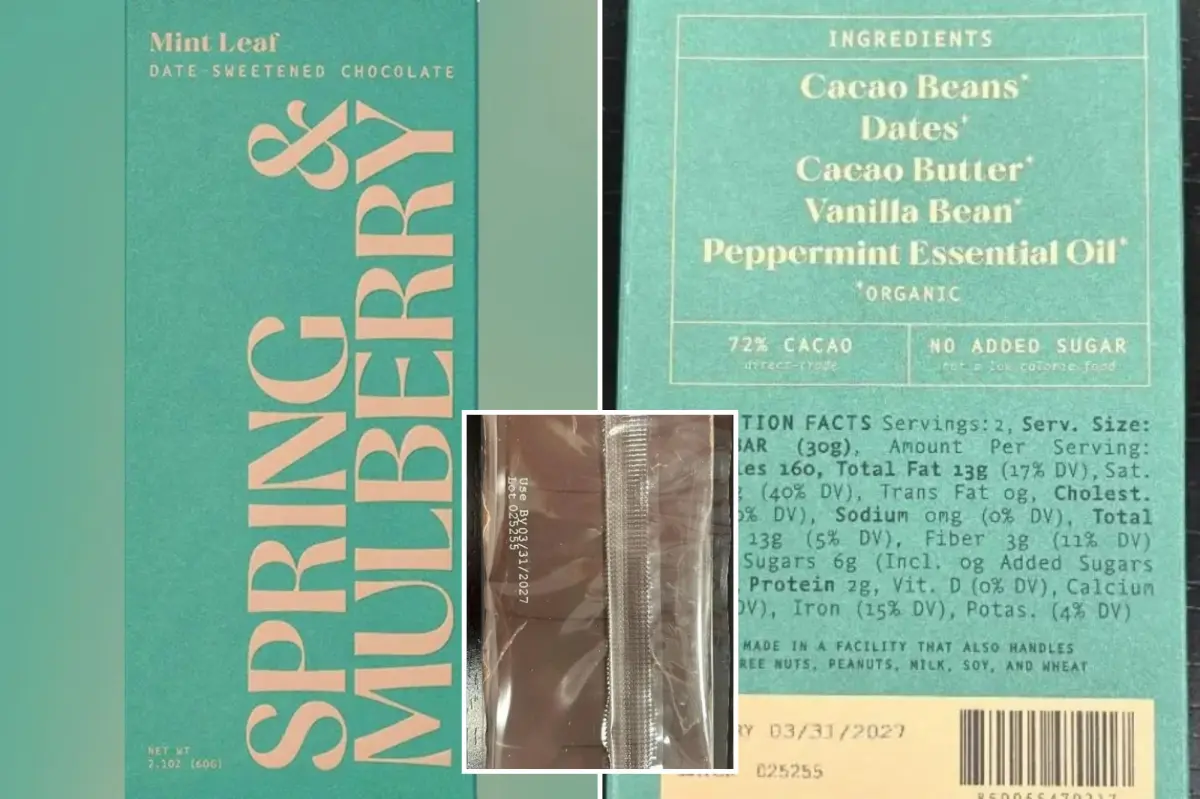
Spring & Mulberry, a North Carolina-based chocolate company, has initiated a voluntary recall of their Mint Leaf Date-Sweetened Chocolate Bars due to potential salmonella contamination. This precautionary measure comes after routine third-party laboratory testing identified safety concerns in a specific production lot. The affected products, identified by lot number 025255, have been distributed nationwide through online sales and select retailers since September 15, 2025. These distinctive chocolate bars, packaged in teal boxes, pose a health risk despite no illnesses being reported thus far. The company is taking proactive steps to protect consumers, emphasizing their commitment to public health and safety above all else. This recall represents the responsible action of a company prioritizing customer wellbeing even before any adverse effects have been documented.
Salmonella infections can range from uncomfortable to life-threatening, particularly for vulnerable populations including young children, elderly individuals, and those with compromised immune systems. Typical symptoms include fever, diarrhea, nausea, vomiting, and abdominal pain—generally appearing within 12 to 72 hours after consuming contaminated food. While most people recover without treatment within four to seven days, the infection can occasionally progress to more serious conditions. In rare instances, salmonella can enter the bloodstream, potentially causing arterial infections, endocarditis, and arthritis. The severity of these potential complications underscores why food manufacturers and regulatory bodies take possible salmonella contamination so seriously, often initiating recalls based on testing results rather than waiting for confirmed illness reports.
Consumers who have purchased the affected chocolate bars are strongly advised not to consume them. Instead, the FDA recommends immediately disposing of these products to eliminate any risk of foodborne illness. For those seeking refunds, Spring & Mulberry has established a straightforward process—customers need only email the company to initiate their reimbursement. This customer-focused approach reflects the company’s dedication to resolving the issue with minimal inconvenience to consumers while ensuring public safety. The recall information, including identifying details about the packaging and specific lot number, has been widely distributed to help consumers easily determine whether their purchases are affected by this safety concern.
This chocolate bar recall joins a growing list of recent food safety alerts across the United States, highlighting the ongoing vigilance of both manufacturers and regulatory agencies in protecting public health. Just last week, the FDA elevated a cheese product recall to its highest risk category after listeria monocytogenes was detected during testing. Listeria presents another serious foodborne pathogen that can cause severe illness, particularly among pregnant women, newborns, and those with weakened immune systems. Additionally, over 38,000 cases of frozen tater tots distributed across 26 states were recently recalled due to potential plastic contamination—an entirely different type of physical hazard that demonstrates the range of safety concerns constantly being monitored throughout the food supply chain.
The Spring & Mulberry recall exemplifies how the modern food safety system operates at its best—preventative action based on testing rather than reaction to consumer illness. The company’s willingness to pull products from the market based solely on laboratory findings, before any customer complaints or illnesses occurred, reflects the industry’s evolution toward more proactive safety protocols. This approach ultimately protects both consumers and the company’s reputation, as addressing potential problems early typically results in fewer adverse health outcomes and better maintenance of customer trust. The detailed information provided about the affected products—including specific lot numbers and packaging descriptions—further demonstrates a commitment to transparent communication during a challenging situation.
Food recalls have become increasingly common in recent years, not necessarily because food has become less safe, but because detection methods have grown more sophisticated and regulatory oversight more comprehensive. The FDA’s involvement in announcing and monitoring these recalls represents just one component of a complex system designed to protect public health. Consumers play an equally important role by staying informed about recalls, checking products against recall notices, and following proper food handling procedures at home. The Spring & Mulberry chocolate bar recall serves as a reminder of the shared responsibility between manufacturers, regulators, retailers, and consumers in maintaining food safety. While recalls may cause temporary inconvenience, they ultimately represent a functioning safety system working as designed to prevent foodborne illness before it can spread through the population.