





Chipotle Embraces Weight-Loss Drug Trend with New High-Protein Menu
In a bold response to changing dietary habits influenced by GLP-1 medications like Ozempic and Wegovy, Chipotle is launching a specialized High Protein Menu this Tuesday. The new offerings explicitly acknowledge the impact these weight-loss drugs are having on American eating patterns while catering to protein-conscious consumers across the spectrum. “With the rise of GLP-1s and a broader focus on macronutrients, Chipotle’s new High Protein Menu offers more ways for guests to get the protein they want in the portions that work for them,” the company announced. This move represents one of the most direct acknowledgments by a major restaurant chain of how weight-loss medications are reshaping the food industry landscape.
The centerpiece of Chipotle’s new menu includes items specifically labeled as “GLP-1-friendly,” carefully designed to align with the nutritional needs of people taking these medications. Chris Brandt, Chipotle’s chief brand officer, explained to Fast Company: “We designed GLP-1-friendly builds to generally align with widely shared guidance: approximately 300 to 550 calories, 20 to 40 grams of protein, and 6 to 12 grams of fiber. Our goal is to make it simple to find options that fit those ranges.” The menu features two explicitly “GLP-1-friendly” items – a High Protein-High Fiber Bowl (46g protein, 14g fiber, 540 calories) featuring Adobo Chicken with light brown rice, black beans, vegetables and salsas, and a High Protein-Low Calorie Salad (36g protein, 10g fiber, 470 calories) combining Adobo Chicken with Supergreens, vegetables, fresh tomato salsa and guacamole.
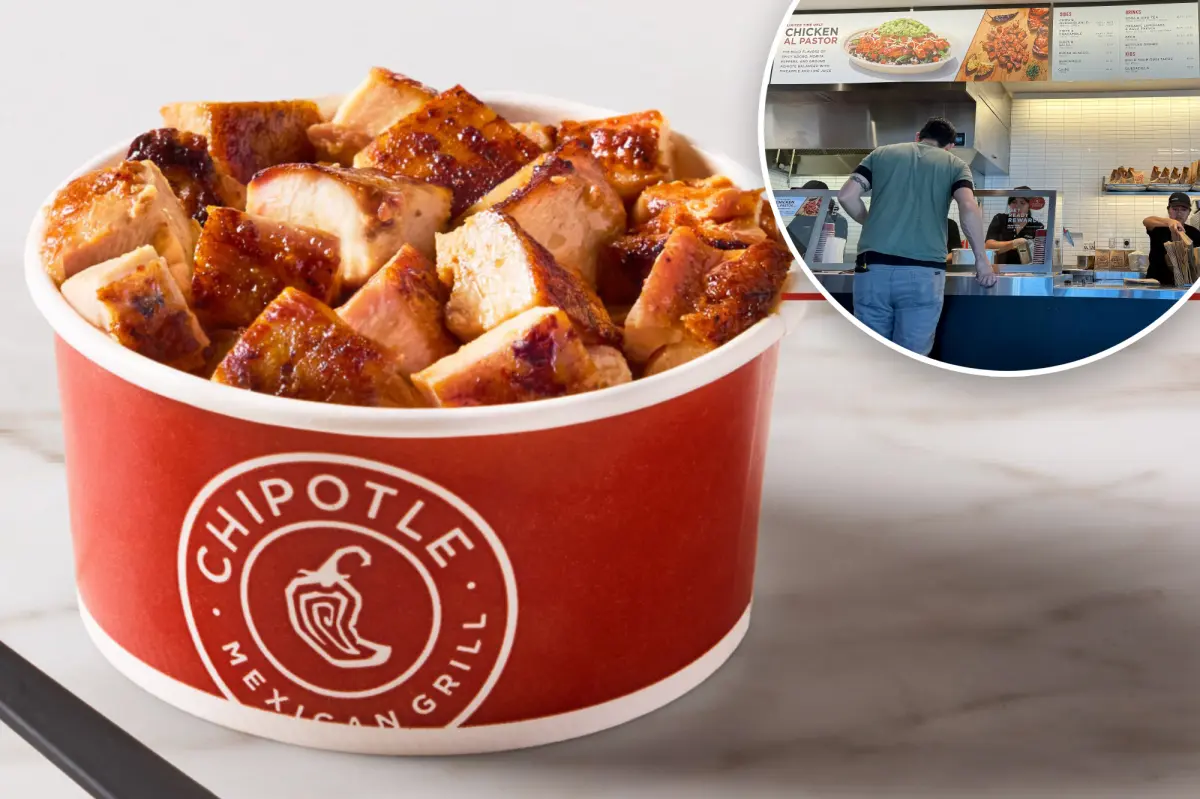
Perhaps the most innovative addition is the “High Protein Cup” – a simple 4-ounce portion of Adobo Chicken that serves multiple purposes. For bodybuilders and fitness enthusiasts, it’s a protein-dense snack or meal add-on. For those taking GLP-1 medications who experience reduced appetite, it could function as a complete meal in itself. Chipotle says this particular offering was inspired by observing customer behavior; social media users have shared that they often enter Chipotle simply to request a side of chicken as a high-protein snack. With the national weighted average price of $3.82, this item represents an affordable protein solution that acknowledges the reality that many people taking weight-loss medications simply cannot consume large portions.
The full menu extends beyond just GLP-1 accommodations to satisfy various protein-seeking customers. Additional options include a Double High Protein Bowl packing an impressive 81g of protein, a Double High Protein Burrito with 79g of protein, and a simple Adobo Chicken Taco containing 15g of protein at just 190 calories. “For years, guests have used Chipotle’s customizable offerings to build high protein and fiber-filled meals on their own,” noted Chris Brandt. “This curated menu brings that fan behavior to the forefront with clean ingredients and flexible portions, making protein and other dietary goals easier to reach.” The company cites strong market data supporting this direction, pointing to the International Food Information Council’s 2025 Food & Health Survey that shows high-protein diets have remained the top dietary pattern in America for three consecutive years, with 70% of Americans prioritizing protein consumption.
Chipotle isn’t navigating these waters alone, as other major food service companies have begun adjusting to the GLP-1 revolution. Smoothie King has directly acknowledged the trend with a specialized menu of GLP-1 smoothies focusing on high protein, fiber and zero added sugars. Meanwhile, Starbucks has introduced Protein Cold Foams and Protein Lattes to its permanent menu. Each Protein Cold Foam contains 15 grams of protein per grande serving, while the protein lattes offer between 15 to 36 grams per grande. When speaking to Axios in June, CEO Brian Niccol explained that these innovations target multiple consumer segments simultaneously – from 20-year-old males to 50-year-old females, including those taking GLP-1 medications.
This industry-wide pivot represents a significant moment in food service evolution. As millions of Americans turn to medications like Ozempic and Wegovy to manage weight and metabolic health, restaurants are forced to reconsider portion sizes, nutritional profiles, and menu design. Chipotle’s approach stands out for its transparency – explicitly naming and designing for GLP-1 medication users rather than simply reducing portions or adding protein options without context. The strategy acknowledges both the immediate reality of changing consumer needs and the likely long-term impact these medications will have on American eating habits. By offering flexible protein options at various price points starting at just $3.50 for a Single Chicken Taco, Chipotle positions itself as responsive to evolving dietary preferences while maintaining its core brand promise of customizable, quality ingredients. Whether this direct acknowledgment of medication-influenced eating will become standard practice across the industry remains to be seen, but Chipotle’s move signals that the GLP-1 revolution is too significant for major food providers to ignore.