



Hungry Guests and Wedding Etiquette Fails: When Formality Doesn’t Match Food
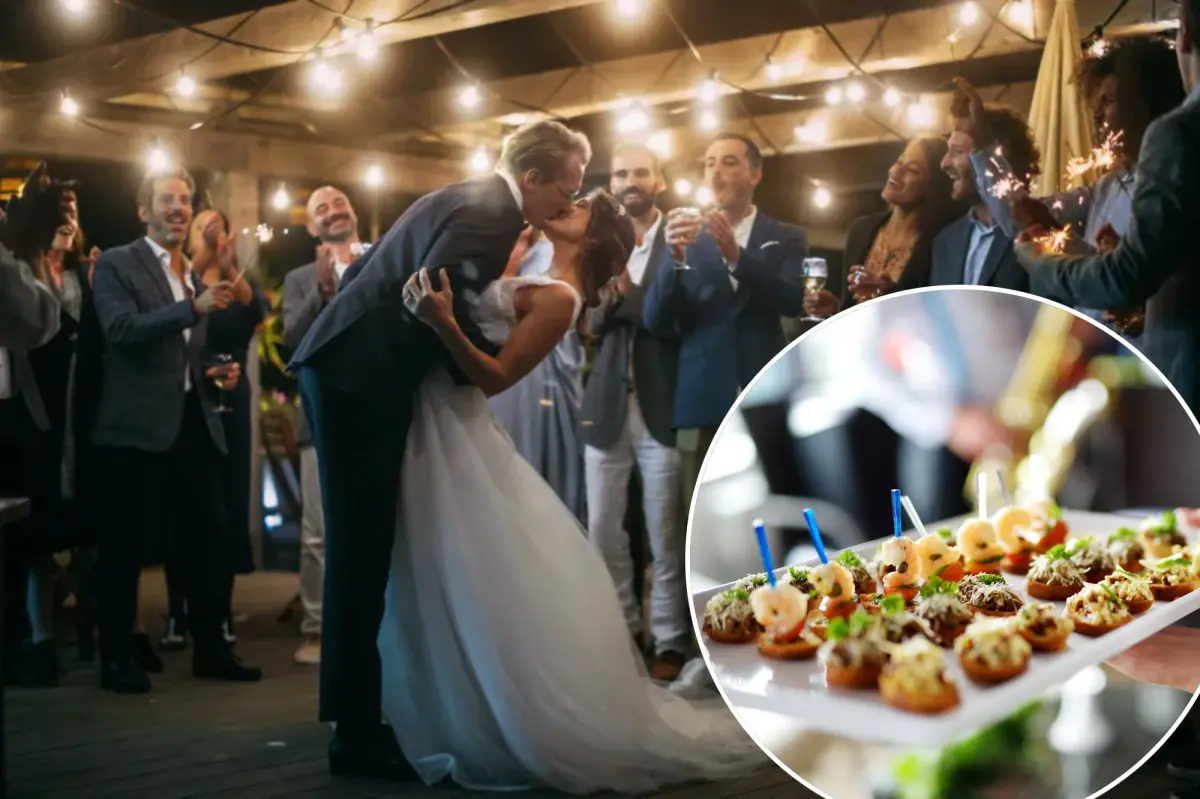
In the world of modern weddings, where costs can easily soar into the tens of thousands, a concerning trend is emerging: couples requesting formal attire and commitment from guests without providing adequate hospitality in return. A particularly striking example recently made waves on Reddit’s r/weddingshaming forum, where a frustrated guest detailed their experience at what was billed as a “black tie” wedding. The invitation promised an elegant affair – a one-hour ceremony followed by six hours of reception with dancing and merriment. However, the reality left guests hungry and disappointed, as the only sustenance provided throughout the entire seven-hour event was a sparse offering of hors d’oeuvres. No transportation was arranged between the church and reception venue, which were separated by a highway, and guests were expected to maintain formal decorum while essentially fasting through what should have been dinner time and beyond. This disconnect between expected formality and provided hospitality sparked outrage among online commenters, many of whom viewed it as a fundamental breach of wedding etiquette.
The community’s response to this hospitality failure was swift and unified. “Nothing I hate more than a black tie dress code when they’re not putting on a black tie event,” wrote one commenter, capturing the essence of the problem. When guests are asked to invest in formal attire, arrange transportation, potentially book accommodation, and dedicate an entire day to celebrating someone else’s milestone, there’s an implicit understanding that basic needs will be met. Another commenter humorously suggested that an appropriate wedding gift would be “ordering pizzas to the reception” – highlighting how fundamentally the couple had missed the mark on hosting responsibilities. The incident raises important questions about wedding planning priorities: Is it better to scale back on formality to ensure guests are properly fed, or should couples who dream of black-tie elegance simply accept that such formality comes with corresponding hospitality obligations? Most commenters seemed to agree that regardless of budget constraints, feeding guests at a lengthy event is non-negotiable.
Interestingly, some wedding veterans offered perspective from the planning side. One former bride acknowledged the financial reality that many engaged couples face when their formal vision collides with budget limitations: “When I got married we had a very formal vision. But we were young and didn’t entirely think that through. That booking a formal location meant formal invites to convey the level of dressiness and that led into the meal types and the cake and flowers and so on.” This commenter ultimately followed through with the formality they’d promised, providing appropriate hospitality despite costs exceeding initial expectations. Their experience highlights an important reality of wedding planning – that each choice has a cascade of implications, and couples need to consider the full picture when setting expectations. Formal attire requests signal to guests that a certain level of hosting will be provided, creating an unspoken contract that shouldn’t be broken simply to preserve aesthetic preferences.
The discussion revealed that adequate hospitality isn’t merely about avoiding hunger – it’s about respecting guests’ time, comfort, and contribution to the celebration. Many commenters shared contrasting positive experiences, like one who attended a wedding where “the bride and groom fed us dinner AND had chicken nuggets come out at like 10pm to feed everyone for round 2 during the party.” Such thoughtful planning acknowledges that a long celebration requires sustenance, especially when alcohol is being served and physical activity like dancing is encouraged. The fundamental disconnect in the original story wasn’t just about food, but about the couple’s apparent failure to consider their guests’ experience holistically. When someone commits to attending a seven-hour event in formal attire, they reasonably expect that their basic needs will be accommodated, particularly when the invitation implies an elegant, full-service affair.
Perhaps even more shocking was another wedding tale shared in the comments, where guests were charged $2 for water during an outdoor ceremony on a 95-degree day with high humidity. This example takes the hospitality failure to another level, not just neglecting guests’ comfort but actively monetizing their basic needs. Such stories highlight a troubling trend where some couples seem to view their weddings primarily as personal photo opportunities or aesthetic achievements rather than as social gatherings where they serve as hosts. This perspective shift – from seeing oneself as a host with responsibilities to seeing oneself as the central character in a production where guests are merely props – represents a fundamental misunderstanding of what weddings have traditionally been: community celebrations where hospitality is paramount.
The wedding hospitality debate touches on deeper questions about changing social norms and expectations around major life celebrations. As weddings become increasingly personalized and sometimes influenced by social media aesthetics, the traditional host-guest relationship can become blurred. However, the overwhelming consensus from this online discussion suggests that regardless of budget constraints or changing times, certain fundamentals remain: if you invite guests to dress formally and dedicate significant time to your celebration, you must feed them appropriately. Those planning weddings would be wise to consider that long after the professional photos fade and the designer outfits are packed away, what guests will remember most vividly is how they were treated. Were their basic needs met? Did they feel valued and considered? Or were they left standing in formal attire, stomachs growling, wondering if they should have eaten before arriving? As one commenter aptly summarized: a true black-tie event isn’t defined by the attire alone, but by the comprehensive experience of elegance and hospitality that such formality promises.