







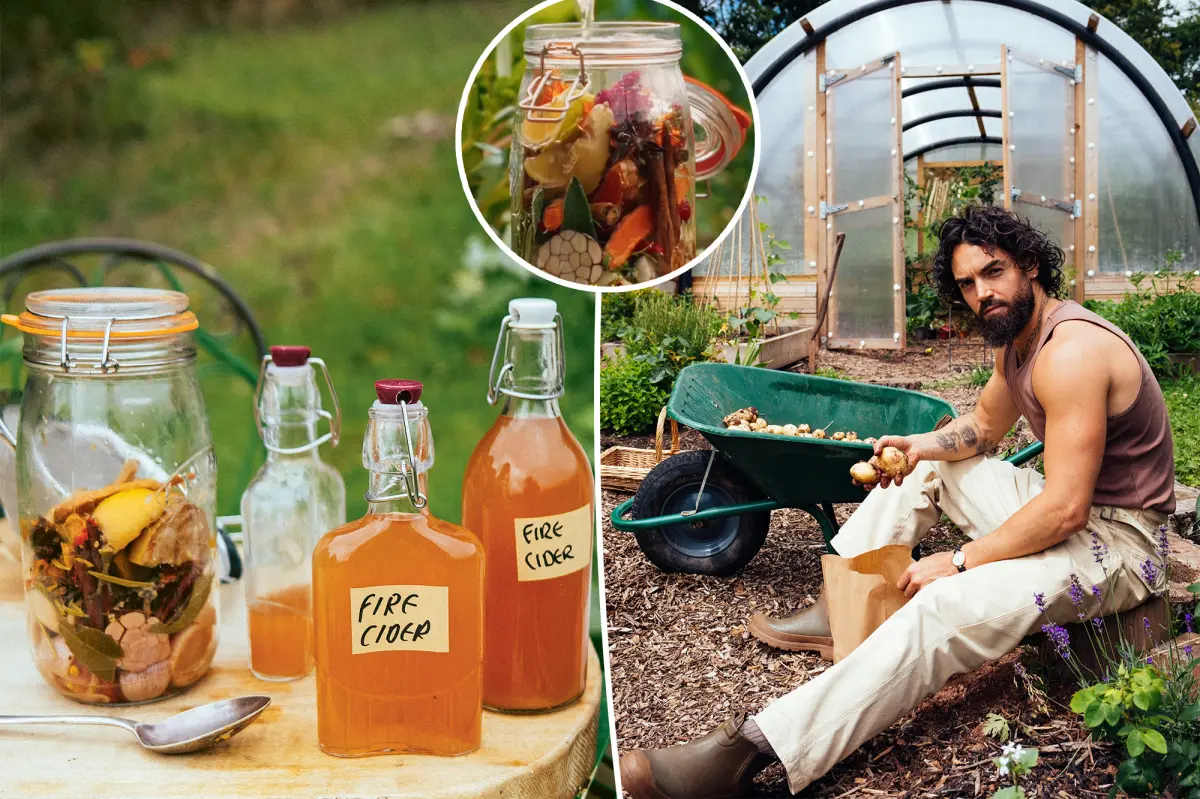
Chef’s Ancient ‘Fire Cider’ Recipe: A Winter Immunity Booster
As the winter chill settles in and cold and flu season reaches its peak, many of us are looking for ways to fortify our immune systems naturally. Welsh chef Gaz Oakley, author of “Plant to Plate,” offers an intriguing solution with his version of fire cider, a traditional herbal remedy that has gained popularity for its potential immune-boosting properties. “Fire cider is an age-old herbal remedy,” Oakley told The Post. “Not only does it taste good, but it’s packed full of fire ingredients that are going to give your body immunity — especially in times of winter.” This potent tonic combines apple cider vinegar with pungent, medicinal ingredients like turmeric, ginger, chiles, onions, and garlic, creating what Oakley describes as a “protective shield” against seasonal ailments. The preparation involves a month-long infusion process that extracts beneficial compounds from these powerful ingredients, resulting in a concentrated elixir that Oakley consumes daily during the colder months.
The history of fire cider is as fascinating as its ingredients. Also known as “four thieves vinegar,” legend suggests this concoction was so effective at preventing illness that during the 17th century Black Plague outbreak in Marseille, a group of thieves reportedly avoided infection by consuming and applying this herbal-infused vinegar. While Oakley describes it as a “superhero tonic,” he’s careful to position it as a preventative measure rather than a miracle cure. “You’re giving your body the things that it needs to protect itself,” he explains. “I’m not saying this is going to cure major ailments, but it will give you that protection.” The remedy shares similarities with other traditional remedies that have gained attention in recent years, including “Amish amoxicillin” and the viral seven-ingredient “flu-bomb” promoted by Australian alternative health advocate Barbara O’Neill. Oakley’s version incorporates additional spices like star anise, clove, and cinnamon, along with homegrown herbs such as rosemary and sage, each selected for their historical and potential therapeutic properties.
The science behind fire cider’s ingredients offers some support for its traditional use. Ginger functions as a natural expectorant with documented antimicrobial and antioxidant properties. Chiles contain capsaicin, which research suggests may help relieve congestion and sneezing—welcome relief during cold season. Turmeric contains curcumin, a compound studied for its antioxidant, anti-inflammatory, anticancer, and antimicrobial properties. Garlic brings prebiotic inulin fiber that supports gut health and contains allicin, a natural antibiotic with a long history of medicinal use. One study found that participants taking garlic supplements during cold season experienced fewer colds and faster recovery than those who didn’t. Apple cider vinegar, which serves as the base for fire cider, is considered a natural antibiotic, and some limited research indicates it may help control blood sugar levels in people with insulin resistance and contribute to modest weight loss in obese individuals. The additional spices in Oakley’s recipe add their own potential benefits—cloves were once “priced higher than gold because of their anti-microbial properties,” according to Oakley.
The herbs in Oakley’s fire cider recipe may offer cognitive benefits alongside immune support. Rosemary and sage contain carnosic acid, which a recent study suggests could have therapeutic potential for neurodegenerative disorders, including Alzheimer’s disease. Beyond these specific ingredients, Oakley notes that the fermented quality of fire cider may benefit gut health—an increasingly recognized factor in overall immunity and wellness. The recipe itself is straightforward but requires patience: five hot chiles, two onions, three garlic bulbs, fresh ginger and turmeric root, lemons, herbs (rosemary and sage), and spices (cinnamon, star anise, cloves, black peppercorns) are combined with optional dried elderberries and covered completely with raw apple cider vinegar in a large, sterilized jar. This mixture steeps for three to four weeks in a cool, dark place, with occasional agitation to enhance the infusion process.
After the lengthy steeping period, the solid ingredients are strained out through a fine-mesh sieve or cheesecloth, with care taken to extract as much liquid as possible. The resulting fire cider can be consumed as is, but Oakley suggests that those who find the taste too intense can soften it with maple syrup to taste. The finished product should be stored in the refrigerator, where it will remain potent for several months or longer. For daily consumption, Oakley recommends taking one to two tablespoons mixed with water, particularly during the winter months when immune support is most needed. For those looking to incorporate the tonic into their meals, he offers a creative culinary application: the fire cider can be transformed into a savory dressing by whisking it with equal parts olive oil, tahini, and maple syrup—making this traditional remedy not just a potential health booster but also a flavorful addition to everyday cooking.
As with many traditional remedies, fire cider represents a blend of folk wisdom and natural ingredients with some scientific backing. While it shouldn’t replace modern medical care or prescribed treatments, this centuries-old tonic offers an accessible way to potentially support immune function through whole food ingredients. Oakley’s daily ritual of consuming this spicy, vinegar-based concoction reflects a growing interest in preventative approaches to health and wellness, particularly those rooted in traditional practices. Whether you’re drawn to fire cider for its historical significance, its potential health benefits, or simply its bold flavors, this ancient remedy provides an opportunity to connect with traditional wisdom while possibly giving your immune system some natural support during the challenging winter months. As Oakley puts it, it’s about “giving your body everything you need to ward off anything” when seasonal threats are at their peak.