






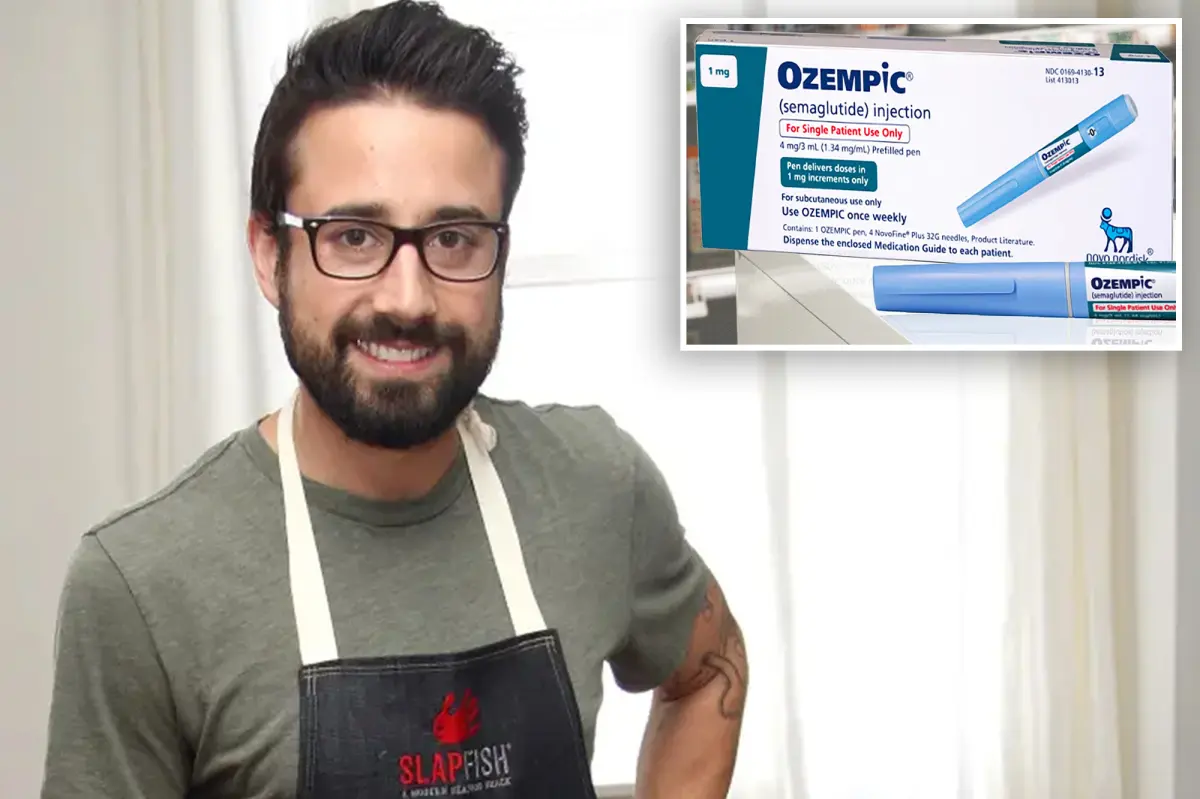
Celebrity Chef Adapts to Weight Loss Trend: A Culinary Revolution
In the heart of Los Angeles, a high-profile celebrity chef is orchestrating a significant transformation across his acclaimed restaurants. Chef Andrew Gruel has noticed a distinct shift in dining patterns among his clientele, many of whom are shedding pounds rapidly with the help of weight loss injections. This observation hasn’t just been a passing curiosity for the chef; it has prompted a complete rethinking of his menu philosophy. During a candid Fox Business interview, Gruel revealed he’s substantially reducing carbohydrate-heavy offerings, particularly deep-fried items, which have historically been crowd favorites. Perhaps even more telling is his observation that alcohol consumption among patrons has noticeably declined, signaling a broader lifestyle change sweeping through his upscale establishments. The shift represents more than just changing tastes—it reflects a fundamental transformation in how Americans, particularly those in trend-setting circles like Los Angeles, approach their relationship with food and drink.
The moment of realization for Chef Gruel came unexpectedly, when he witnessed a peculiar phenomenon in his kitchens: plates of hand-cut french fries, long the signature side dish across his restaurants, were returning to the kitchen barely touched. “At first I yelled at the kitchen, I’m like, did you change the recipe? What’s wrong with this? But it’s really just that people are eating less fries,” Gruel recounted with a mixture of surprise and entrepreneurial pragmatism. This revelation has led to practical changes in his food preparation approach. “So now we can decrease our portion size and nobody’s really going to be upset about that,” he explained, highlighting how this consumer behavior shift is allowing him to adapt his serving sizes without customer complaints. This adjustment reflects a broader cultural moment where portion expectations are changing alongside evolving health priorities, particularly among the trendsetting clientele that frequent high-end restaurants in cities like Los Angeles, where body image and health consciousness have long been paramount concerns.
The ripple effects of this dietary shift extend beyond just the food menu to significantly impact bar operations across Gruel’s restaurant empire. With remarkable adaptability, the chef has pivoted his alcohol inventory strategy, notably increasing his stock of tequila while reducing beer and wine orders. “There are no carbs in tequila,” Gruel explained matter-of-factly, demonstrating his understanding of the scientific rationale behind his customers’ changing preferences. This strategic response illustrates how deeply the weight loss trend has permeated consumer behavior, affecting even the traditionally recession-proof alcohol sector of the restaurant business. Patrons who previously might have ordered multiple carbohydrate-rich beverages throughout a meal are now making more calculated choices, prioritizing options that align with their weight management goals while still allowing for the social pleasure of drinking—a balancing act that Gruel has quickly recognized and accommodated through his revised beverage program.
The chef directly attributes much of this dramatic shift to the “Ozempic craze” that has captivated Hollywood’s elite and subsequently influenced broader cultural trends. The phenomenon has visibly transformed numerous celebrities and athletes, many becoming almost unrecognizable as they rapidly shed significant weight. Tennis legend Serena Williams has emerged as a vocal proponent of GLP-1 medications, challenging the stigma often associated with pharmacological weight loss assistance. “I feel like a lot of people have this stigma on GLP-1s and say things like, ‘Oh, lazy people do it,’ or ‘If you’re working hard enough, you don’t need that… Sometimes you need help. Your story is your story, and it’s okay to make that choice to do it if you want to,” Williams told Vogue, lending her considerable cultural authority to normalize medical interventions for weight management. Her perspective represents a significant shift in how weight loss is discussed in public forums—moving from purely diet-and-exercise narratives toward a more nuanced understanding that embraces multiple approaches to health management.
While adapting to changing consumer preferences shows Chef Gruel’s business acumen, he’s also transparent about the financial challenges these shifts present for restaurant operators. The economics of the restaurant industry have traditionally relied heavily on high-margin items like french fries and alcoholic beverages—precisely the products that weight-conscious customers are now avoiding. “So you really have to be creative with your proteins to make sure you can make your margins on the proteins,” Gruel explained, highlighting the delicate balancing act required to maintain profitability while meeting evolving customer expectations. This financial reality forces culinary professionals to reimagine not just their menus but their entire business models, finding innovative ways to create value through healthier offerings that may traditionally carry lower profit margins. The chef’s candid assessment reveals the behind-the-scenes business calculations that accompany what diners experience as simply a menu evolution, illustrating how deeply intertwined culinary trends and economic realities remain in the restaurant industry.
The phenomenon unfolding in Chef Gruel’s restaurants represents a microcosm of a broader cultural transformation in America’s relationship with food, body image, and health. As weight loss medications become increasingly mainstream, particularly among influential trendsetters, their impact extends far beyond individual waistlines to reshape entire industries. The restaurant sector—long a bellwether of cultural shifts—now finds itself at a crossroads, challenged to balance tradition, culinary artistry, economic viability, and changing consumer health priorities. Chef Gruel’s willingness to adapt rather than resist these changes demonstrates the kind of flexibility that may determine which establishments thrive in this new landscape. The evolution playing out across his Los Angeles restaurants likely foreshadows similar transitions in dining establishments nationwide, as the ripple effects of this weight management revolution continue to expand beyond Hollywood’s elite circles into mainstream American culture. Whether this represents a lasting transformation or merely another cyclical food trend remains to be seen, but for now, both chefs and diners find themselves navigating a significantly altered culinary landscape.