







California’s New Restaurant Allergen Disclosure Law: A Milestone for Food Safety
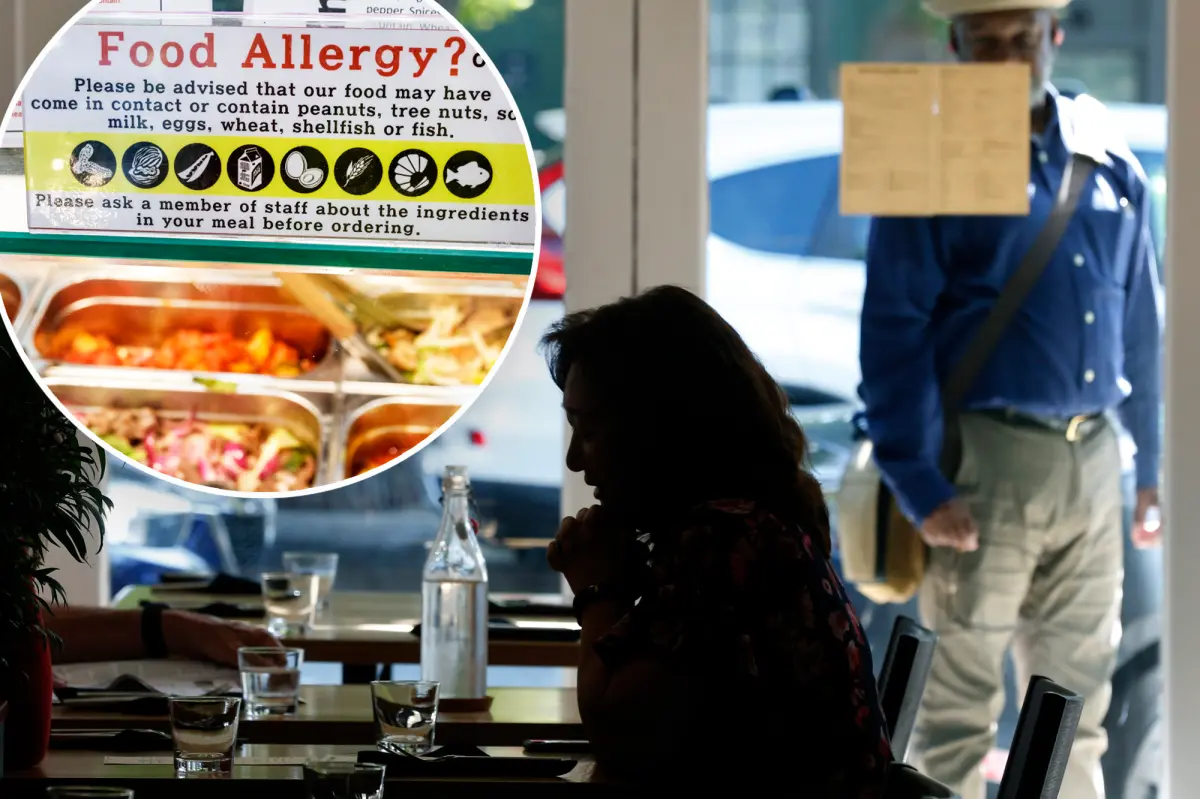
California has taken a groundbreaking step in food safety with the implementation of the Allergen Disclosure for Dining Experiences Act (ADDE), making it the first state in the nation to require restaurants to list major allergens on their menus. This landmark legislation, which affects restaurant chains with 20 or more locations nationwide, mandates clear identification of known allergens either directly on menus or via digital formats like QR codes. The law focuses on the “Big 9” major food allergens: milk, eggs, fish, crustacean shellfish, tree nuts, peanuts, wheat, soybeans, and sesame. While restaurant chains have until July 1, 2026, to fully implement these changes, the impact on both diners with food allergies and the restaurant industry will be significant. The law represents a critical shift toward greater transparency in food service, potentially setting a precedent for other states to follow.
What makes this legislation particularly touching is its origin story – it was inspired by and named for 9-year-old Addie Lao, who lives with allergies to dairy, peanuts, tree nuts, and sesame. Addie’s advocacy journey began after a positive dining experience at a restaurant that voluntarily displayed allergen information. This experience sparked her belief that such practices should be standard across all restaurants. “The ADDE bill is so important so adults and kids like me can eat safely,” Addie explained to Allergic Living. Her mother, Robyn Lao, emphasized that the bill represents “a crucial first step toward a culture of food allergy safety that will save lives and empower families like ours to dine out.” Addie’s story highlights how even a child’s voice can drive meaningful change in public health policy, turning a personal challenge into a statewide solution that will benefit millions.
The significance of this legislation becomes clear when considering the scope of food allergies in America. According to Food Allergy Research & Education (FARE), approximately 33 million Americans – one in 10 adults and one in 13 children – have at least one food allergy. For these individuals, dining out has historically been fraught with anxiety and risk. California State Senator Caroline Menjivar underscored this reality when the bill passed, noting that “the millions of Californians with food allergies, many of whom are young children, will be able to fully enjoy dining out without fear or apprehension at these qualifying restaurants.” Beyond improving safety, the law may offer competitive advantages to compliant establishments, as Senator Menjivar suggested that “these businesses will be able to offer allergen families a unique additional assurance that will drive customers to their establishments.” The legislation thus represents both a public health measure and potentially a business opportunity for restaurants to better serve a significant portion of the population.
Implementation of the ADDE Act will transform the dining experience for millions of Californians living with food allergies. Rather than relying on server knowledge or having to repeatedly explain their dietary restrictions, customers will now have clear, accessible information about allergens in menu items before ordering. This transparency reduces the risk of miscommunication or human error that can lead to dangerous allergic reactions. For parents of children with food allergies, like Robyn Lao, the law provides peace of mind and more inclusive dining options for their families. The standardization of allergen information across major restaurant chains also creates consistency, making it easier for individuals with allergies to make safe choices regardless of which location they visit. By making allergen information readily available, the law empowers consumers to take control of their health while dining out, potentially reducing emergency room visits due to accidental allergen exposure.
Despite widespread support from allergy advocacy groups, the California Restaurant Association has expressed concerns about the law’s implementation. The association previously argued that the requirements could burden businesses and potentially lead to “predatory laws.” CEO Jot Condie indicated that the organization was continuing to assess the impacts on affected members and considering whether a change in their position might be warranted. These concerns highlight the balancing act that such legislation must navigate – protecting public health while not creating undue hardship for businesses. However, proponents argue that the long implementation timeline – until July 2026 – provides restaurants with adequate time to adapt their menus and train staff. Additionally, the focus on larger chains with 20+ locations ensures that the requirements target businesses with greater resources to implement such changes, rather than smaller, independent establishments that might struggle with compliance costs.
FARE has characterized the ADDE Act as a “meaningful step” in protecting those with food allergies, and indeed, the legislation represents part of a broader shift toward allergen awareness in the food service industry. While California is the first state to implement such comprehensive requirements, the law may inspire similar measures across the country, potentially leading to a nationwide standard for allergen disclosure in restaurants. The law’s passage also reflects growing public consciousness about food allergies and dietary restrictions, with consumers increasingly expecting transparency about ingredients. For young advocates like Addie Lao, the law’s implementation represents not just a policy victory but a personal triumph – proof that individual voices can drive systemic change. As restaurant chains begin adapting their menus over the coming months and years, millions of Californians with food allergies will find dining out becoming a safer, more inclusive, and more enjoyable experience – a transformation that began with a 9-year-old girl’s simple but powerful idea.