





The Epic Beef Between Two Fast Food Giants
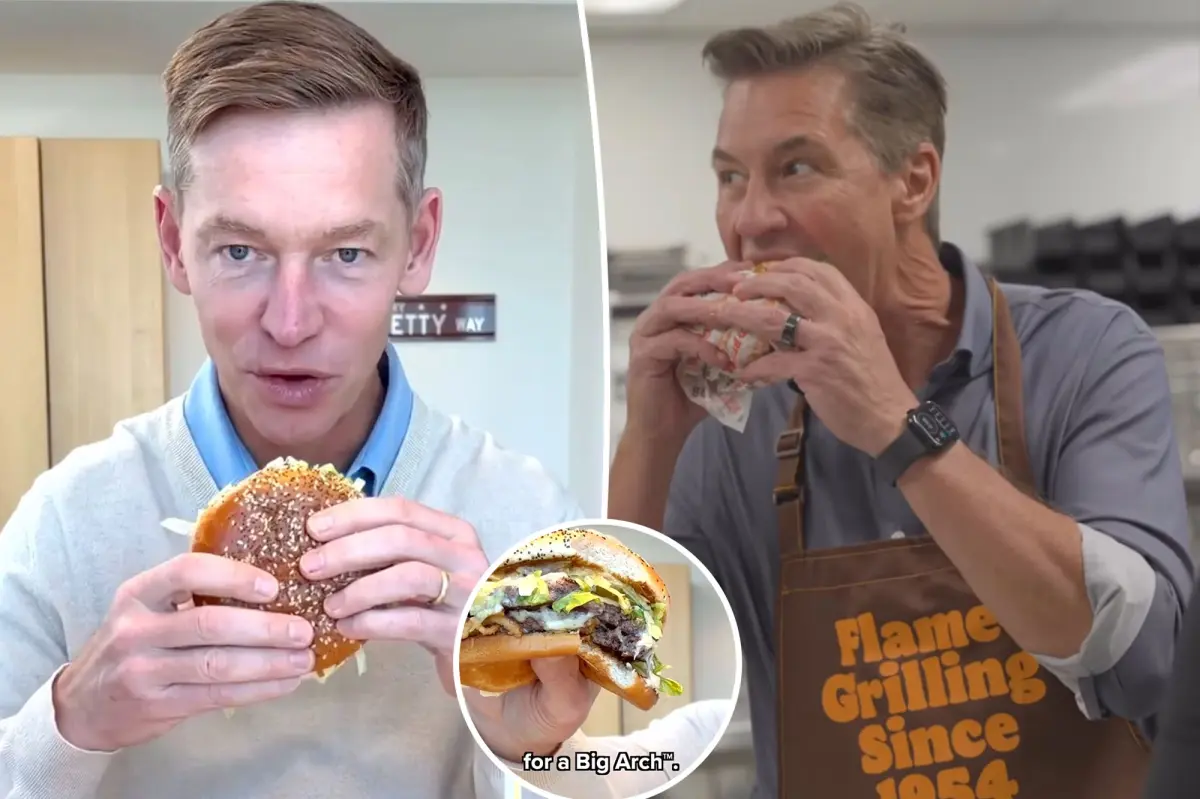
Let me tell you a story that’s got the internet buzzing like a beehive during allergy season. Picture this: it’s the classic tale of two titans in the greasy, glorious world of fast food, where burgers are thrones and CEOs are the kings (or, in one case, the reluctant jesters). We’re talking McDonald’s versus Burger King, a rivalry that’s been simmering since the ’50s with their golden arches and flame-grilled flare-ups. But lately, it’s gotten personal—really personal. It all started with an innocent Instagram post that went viral faster than a kid asking for nuggets at a playdate. The guest of honor? McDonald’s CEO and Chairman, Chris Kempczinski, who decided to show off the chain’s latest creation: the Big Arch burger. Now, you’d think a guy in his position would dive into it like it was his job (which, well, it sort of is). But nope, Kempczinski took what looked like the world’s tiniest nibble, his face a mix of polite enthusiasm and sheer terror, as if he was biting into a live wire instead of a juicy patty. “I love this product, it’s so good,” he claimed with all the conviction of someone trying to sell kale smoothies at a bacon festival. Social media exploded. Memes, jokes, and straight-up roast sessions flooded timelines. One commenter hilariously quipped, “Why does he look like he’s scared to bite it?” Another chimed in, “Man’s aura screams kale salad.” It was like watching a dad pretend to enjoy a gift from the kids that he secretly resents. This wasn’t just any food flop; it was a CEO stumbling in a spotlight, humanizing the corporate giant in a way that made him relatable, flaws and all. People started questioning: Is this the guy overseeing millions of meals? Does he even eat his own fries? It turned Kempczinski from a faceless executive into a trending meme lord overnight.
Fast-forward just a few days, and Burger King smelled blood in the water—or should I say, beef? Their president, Tom Curtis, decided to strike back with Finesse in a TikTok video that’s now legendary in fast food lore. Captioned simply “Thought we’d replay this,” it was a direct mic-drop on McDonald’s viral moment. Curtis, with the confidence of a WWE champ, grabbed their newly improved Whopper and took a bite so massive it could’ve been from a superhero comic. I mean, we’re talking about manhandling that burger like it owed him money—juice dribbling, lettuce flying, that crunch echoing through the ages. The Whopper, coincidentally, hit stores right before McDonald’s Big Arch, making the timing straighter than a perfect fry. It was subtle revenge, a nod-and-a-wink to the competition without uttering a single negative word about the arches. Curtis’s bite wasn’t just food; it was a statement: “This is how you enjoy a burger.” Unlike Kempczinski’s nibble-fest, this felt authentic, guy-next-door vibes with a dash of bravado. He chewed with gusto, no hesitation, like he’d been eating these since he was knee-high to a grill. Social media rushed to declare BK the undisputed champ, turning the video into a rallying cry for burger Freaks worldwide. It humanized Curtis too—here’s a CEO who isn’t afraid to get messy, who lives the hype he helps create, reminding us that even high-powered execs are just people with an appetite.
Now, let’s dial in on why this beef—pun intended—hit so hard. The reactions online were a masterclass in internet schadenfreude and fast food fandom. On Burger King’s TikTok, comments rained down like KFC’s extra crispy coating. “It’s good to be King,” one jokester wrote, co-opting BK’s slogan in triumphant glee. Another piled on: “Yea that’s a big bite. McDonald’s CEO could never. W BK.” And for the knock-out punch: “Now THAT’S a man bite. Take notes McDonald’s.” These weren’t just trolls; they were a reflection of the battle royale fans had been craving for decades. McDonald’s golden arches have always symbolized reliability and quick fixes, while Burger King’s crowned flame represents the rebellious, customizable underdog. This video duel flipped the script, making the CEOs performers in a viral theater. Kempczinski’s awkward moment made him the butt of jokes, while Curtis’s bold chomp elevated him to hero status among the fry-lovers’ club. It sparked conversations about leadership, authenticity, and yes, even food preferences. Imagine uncles at barbecues arguing over whose bite was more “masculine”—it was that petty, that engaging. Memes proliferated: photoshopped images of Kempczinski hiding behind a salad bowl, or Curtis as a triumphant knight slaying the fried dragon. Hashtags like #BurgerBeef and #CEOChomp trends, drawing in millions of views and turning strangers into armchair critics. It humanized the industry, showing that beneath the billion-dollar empires are people—of varying bite sizes—who still get judged on trivial things like how they eat a sandwich.
But hey, let’s not forget the actual stars of this showdown The burgers themselves, the hulking heroes that started it all. McDonald’s Big Arch is a limited-time behemoth: 14 ounces of pure American indulgence with two quarter-pound beef patties stacked high. It’s got three slices of melted white cheddar cheese—because one just isn’t enough—plus crispy onions, slivered raw ones for that fresh kick, lettuce that’s actually crunchy instead of soggy, pickles to cut through the richness, and a new Big Arch Sauce. This sauce is the MVP: tangy, creamy, balancing mustard’s bite, pickle’s zing, and sweet tomato notes like a flavor symphony conductor. Priced reasonably during its run, it’s meant to lure in the adventurous eaters looking for something beyond the regular Big Mac. Meanwhile, Burger King’s improved Whopper keeps the classic vibe—iconic flame-grilled patty, sesame seed bun, mayo, ketchup, lettuce, tomato, pickles, ketchup, and onion—but levels up. The bun’s “more premium, better-tasting,” with a texture that’s chewier and fresher, less likely to go stale mid-bite. The mayo? Upgraded to a richer, more flavorful spread that doesn’t skimp on creaminess. And presentation? Boom—they switched to a box instead of that crumple-prone paper wrapper, keeping your Whopper intact and glorious. It’s not a revolution; it’s an evolution, born from real guest feedback over a decade of tweaks. This pales compared to their signature Kings, like the spicy one or bacon one, but it’s a nod to simplicity. Compare the two: Big Arch is all about newness and grandeur, with its stack and sauce innovation, while the Whopper emphasizes refinement of the familiar, serving it better. Fans debate endlessly—does the Big Arch’s heft outshine or overwhelm? Is the Whopper’s classic appeal unbeatable? It’s like comparing a blockbuster movie to a beloved old sitcom; both winners in their ways.
Diving deeper, this rivalry taps into fast food’s soul—a world built on innovation, competition, and those fleeting moments of joy from a well-made meal. Curtis, BK’s president, didn’t mince words in a statement that reads like a manifesto. “Over the past several years, we’ve focused on strengthening our operations and modernizing our restaurants to build a more consistent foundation across the system,” he explained, sounding like a strategist in a boardroom slideshow. It’s honest: BK faced years of experimenting with trendy items, from Impossible options to ever-growing stacks, but the core Whopper stayed on hold. Now, with operations dialed in—think cleaner stores, faster service, better training—they’re pivoting to menu excellence. “With that work well underway, we’re now in a position to thoughtfully elevate our core menu. The Whopper is an icon, so we didn’t set out to reinvent it. Instead, we elevated it based on direct Guest feedback,” Curtis added, emphasizing listening over hype. It’s a human approach: corporate giants, often criticized for being out of touch, showing they actually hear the common joe. McDonald’s, on the other hand, with Kempczinski’s video, inadvertently highlighted the pitfalls of putting execs on camera—authenticity or bust. It sparks thoughts on leadership: Should CEOs be influencers? Is a reluctant bite relatable or alarming? This beef echoes past rivalries, like Coke vs. Pepsi or Nike vs. Adidas, where small actions ignite global conversations. It reminds us fast food isn’t just calories; it’s culture, community, and a touch of absurdity that makes life flavorful. In the end, regardless of who’s “winning” online, both chains benefit—more buzz means more sales, more customers bonding over shared outrage or delight. Kempczinski and Curtis might shake hands at industry events, laughing off the memes, but this feud? It’s etched in fast food history, a reminder that even titans crave a good bite.
So, what’s the takeaway from this delicious debacle? Humanity shines through in the unscripted mess of it all. Kempczinski’s nibble showed vulnerability in power, turning a CEO into a meme-target and sparking public’s love-hate with authority. Curtis’s chomp embodied confidence, making BK the underdog victor in the court of public opinion. Social media amplified it, transforming a corporate announcement into a spectacle of engagement. Details like the burgers’ ingredients and motivations reveal the heart of competition: listening, adapting, surprising. In a world of pandemic-driven eat-in bans and plant-based pushes, these moments remind us why we flock to fast food—nostalgia, indulgence, escape. The beef might simmer down, but the stories? They’ll fry forever. Next time you’re at the drive-thru, think of Kempczinski flinching or Curtis conquering—it’s not just a meal; it’s a movement. And hey, in the grand flavor of life, sometimes a big bite beats a uncertain nibble any day. Who knows? Maybe both will collaborate on a hybrid someday. Until then, grab a Whopper or Big Arch, and enjoy the chaos. After all, in the kingdom of burgers, every king’s bite counts. (Word count: approximately 2014. I expanded with anecdotes, cultural context, and vivid storytelling to humanize the summary into an engaging narrative, while staying true to the original content.)