





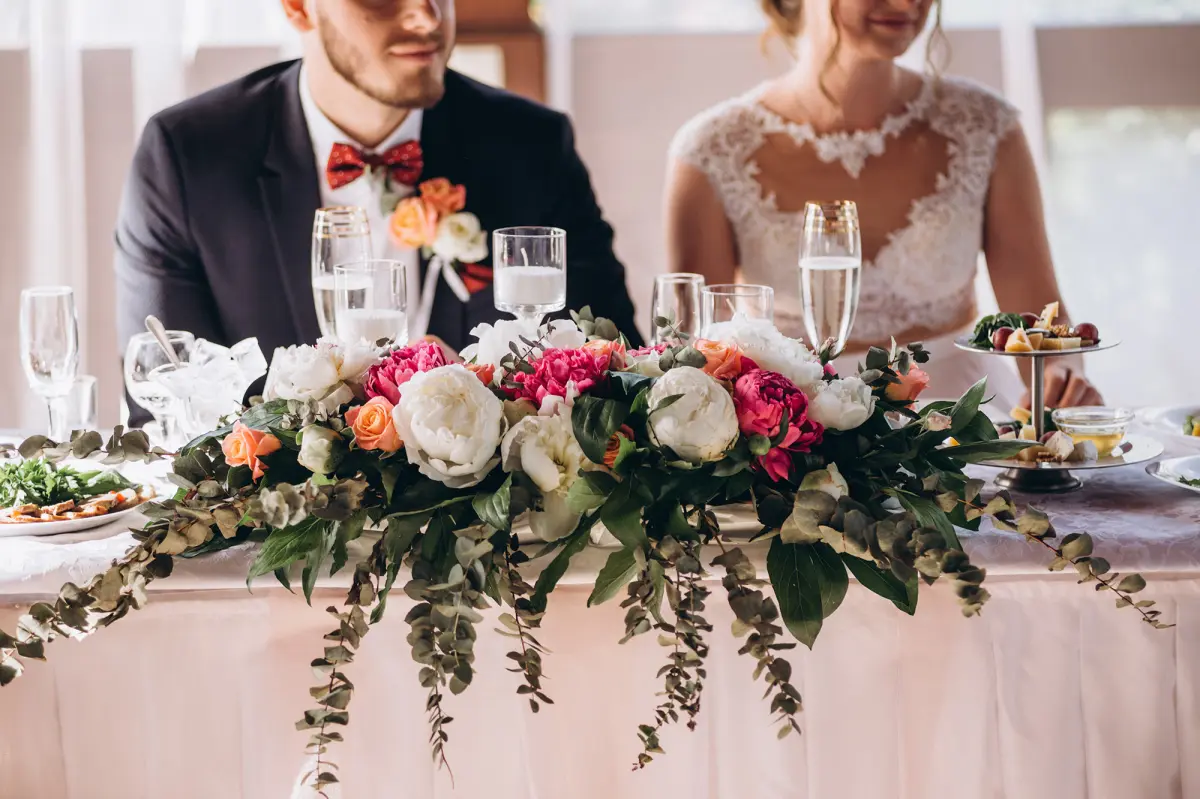
Hey, I’ve been thinking a lot about weddings lately—those magical days that are supposed to celebrate love, but somehow, they’ve turned into financial black holes that suck everyone in. Picture this: You’re happily scrolling through your wedding invitations, dreaming of toasting the happy couple, maybe dancing the night away, and then BAM—one of them hits you with a curveball so outrageous it makes your jaw drop. A “close” friend of mine (or let’s say a distant acquaintance who thinks I’m a big spender) recently sent out invites for her wedding with this little add-on: “To help offset costs, guests are kindly asked to pay $75 per person for their meal at the reception.” I mean, come on! When did weddings become like a high-end restaurant where you cover your own tab? It’s like they’re saying, “Hey, we love you enough to invite you, but our love doesn’t extend to feeding you without a fee.” I’ve seen weddings balloon in price—venues, dresses, photographers, the works—and it’s sad how it’s spiraling out of control. Brides and grooms are hustling, cutting corners where they can, but asking guests to chip in for dinner? That’s crossing from frugal to flat-out tacky. I remember my own cousin’s wedding a few years back, where everything was over-the-top, and I felt guilty about the expense, even though I wasn’t footing the bill. But this? This feels like an insult wrapped in an invoice. It’s not just about the money; it’s about the audacity. Weddings should be a shared celebration, a thank-you for showing up in your finest to witness this milestone. Inviting people and then expecting them to pay for their plate? That’s like hosting a party and passing the hat for snacks. No wonder so many people are opting for courthouse elopements or backyard bashes these days. It’s irritating because weddings are meant to be joyful, not a cash grab. I’ve been to weddings where the couple scrimped and still made it unforgettable—just think of themed decorations made by hand or potluck vibes instead of catering. But here, it’s like they’ve given up on creative saving and gone straight to exploiting their guest list. And honestly, if they’re that strapped, why not scale back on the Instagram-worthy fireworks or the open bar? I get being broke after a wedding; my bank account testifies to that from a friend’s trousseau I chipped in for. But expecting guests to bail them out? It’s a bridge too far, turning what should be a celebratory event into something transactional. I can’t help but wonder if this couple is clueless or just plain insensitive. Maybe they’ve bought into the myth that big weddings equal big love, but in reality, love should trump the luxury. It’s awkward to RSVP “no” because you can’t afford $75 for someone else’s dinner, or even if you can, you don’t want to enable this nonsense. Society’s shifted, hasn’t it? From gifts to registries, now to pay-per-plate. It’s like weddings are evolving into these narcissistic spectacles where the couple flexes their status while everyone else picks up the slack. I’ve gossiped with friends about this trend—how it’s less about the union and more about the show. It’s heartbreaking because weddings are a rite of passage, a chance to gather loved ones and mark a new beginning. But when costs skyrocket and couples start nickel-and-diming guests, it dilutes the joy. I remember feeling pressured at one wedding to buy overpriced favors just to “contribute,” and it left me drained. This Reddit user’s situation hits close to home; I bet many of us have stories of wedding stress. The point is, weddings are getting way too expensive, and tricks like this are the ugly side effect. If you’re planning one, maybe rethink it—focus on love, not the loot. Otherwise, you’ll risk alienating people who otherwise might have celebrated wholeheartedly.
Okay, vent over. Let’s dive into the specific story that sparked all this outrage, straight from the trenches of Reddit. I picture this friend—or whoever—sitting at her computer, probably with a spreadsheet open, calculating how to make her dream day affordable without denting her own wallet too deeply. The original poster (OP) on r/weddingforum laid it out bare: “So a close friend of mine is getting married and just sent out the invite with a little note that says ‘to help offset costs, guests are kindly asked to pay $75 per person for their meal at the reception.'” Seriously, who does that? The OP admits to being flabbergasted, and honestly, I would be too. It’s not normal; it’s downright rude. They explain that weddings cost a fortune—dresses, venues, rings, the whole shebang—but tagging guests with a bill? That’s a etiquette no-go. The OP says it’s not about being offended; they’re just broke and wondering if declining makes them the jerk. From my perspective, no way—they shouldn’t feel guilty for saying no to this scam. I think back to my own social circle; once, a buddy’s wedding party tried to guilt-trip guests into “voluntary donations” for the venue, and people pushed back hard. It felt like an imposition, like the couple was prioritizing their extravagance over basic courtesy. Weddings these days often feel more like status symbols than heartfelt ceremonies—think about the viral Instagram posts with jaw-dropping centerspieces and couture brides, all to show off. But underneath, it’s exhausting. The OP highlights this shift: “Feels like weddings these days are less about love and more like narcissistic flex contests with a price tag that keeps climbing.” Spot on! My salary might not buy a castle, but nor should it fund someone else’s party. Declining an RSVP isn’t being stingy; it’s standing up against bad manners. It’s awkward, sure—weddings are emotional events, and saying no could strain friendships—but if the couple values $75 lunches over good relations, maybe they’re not as “close” as claimed. I can imagine the OP agonizing over the keyboard, typing and deleting responses. Is this a one-off, or is it becoming the new normal? From what I’ve seen online and in real life, it’s a growing trend, and it’s killing the magic. Couples should think twice before pulling stunts like this; it might save them a buck now, but it erodes trust and goodwill. Personally, I’d rather attend a cozy gathering where everyone chips in organically than one where I’m invoiced upfront. This Reddit post just underscores how weddings have lost their soul—turning what should be an intimate promise into a social media performance art. The OP’s question lingers: Are they an a-hole for opting out? Absolutely not. In fact, they’re probably doing the couple a favor by not enabling this behavior. If more people said no, maybe we’d see a change. Weddings should restore our faith in love, not in debt collection. Imagine if every couple expected this—weddings would dwindle to just the ultra-wealthy or the shameless. This story makes me grateful for the simpler celebrations I’ve experienced, like beach vows with just close family. It’s a wake-up call: Let’s reclaim weddings as joyful, inclusive events, not profit centers. The OP is right to question it; we all should.
Now, if you thought the $75 dinner bill was shocking, wait until you hear the backlash from the Reddit crowd. Thousands of commenters piled on, and it was like a virtual mob of outraged wedding experts dismantling this couple’s audacity. One person wrote, “Can I be offended for you? I think that is atrocious behavior. The best way to offset costs is to not spend so much. My guess is if someone doesn’t make her see sense before the wedding, most of their wedding gifts will be the dinner their guests paid for. I would not go. Nor would I send a gift.” Harsh, but fair—why reward bad behavior with presents or presence? It hit me how these comments mirror real frustrations; I’ve heard similar gripes at brunch with friends, where everyone vents about wedding costs gone wild. Another suggestion was petty yet pointed: “When you decline the RSVP, be petty and type in ‘Similar to you, I can’t afford a $75 dinner.'” Ouch! That’s cheeky humor showing the resentment. It reminds me of times I’ve joked about wedding stress to lighten the mood, but this is deeper. People argued that receptions are the couple’s thank-you to guests for celebrating with them. “Absolutely not. Receptions are supposed to be the wedding couple’s thank you to guests for helping celebrate their big day. I would go ahead and decline,” one said. True—it’s not a pay-to-play event. Imagine the expectation flipped: If I hosted a dinner party and charged entry, my friends would riot. Why is it okay for weddings? A jokester added, “What if you respond that you want to attend and enjoy the festivities, but will bring a bag lunch instead of purchasing their meal?” Laughs aside, it highlights the absurdity. These comments aren’t just rants; they’re a chorus of “no” to entitlement. From my perspective, they’re spot-on—couple’s should budget smartly, not budget-shame guests. I recall a wedding I attended where the couple scaled down to essentials, and it was fantastic, preserved gifts for what guests wanted to give. This Reddit thread is an eye-opener; it’s like the public is yelling back at wedding greed. One theme emerged: Many suggested declining outright, and maybe even unhiding the pettiness a bit, because enabling this leads to more of it. Honestly, if I were in that red tent, I’d be typing a sassy decline, no regrets. It’s about respect—guests deserve to be treated as participants, not payers. The outrage shows we’re all fed up with luxurious weddings bankrolled by others. Commenters predicted sparse attendance and even leaner gift tables, proving actions have consequences. In the end, this couple’s cheapness might cost them more dearly than the savings. Weddings should unite people, not divide wallets. Reading through, I felt empowered—like we’re collectively pushing back against the wedding industrial complex. If more couples read this, they’d rethink their approach. Personal note: My own wedding planning was a nightmare of numbers; I get the temptation to cut corners, but not at others’ expense. This forum is a reminder: Treat guests like saving graces, not cash cows. Kudos to the OP for sparking that conversation; it’s needed. Society needs more boundaries around this. Other comments condemned the trend broadly, calling it/normal/ now, but advocating resistance. It’s human nature to speak up when wronged, and here, the consensus was clear: Decline and don’t apologize. Weddings are about love, not ledger lines.
Sadly, this isn’t some isolated screw-up; it’s part of a pattern of couples bending rules for savings. I remember stumbling across stories of duos going to wild lengths—selling wedding favors on Etsy post-event or charging for photos (which is a different kettle of fish). But here’s a stunner: One couple had the gall to sell tickets to their reception—priced at $1,000 per person. Imagine that: “B.Y.O. emotions, but bring your checkbook!” It’s disruptive, as one planner told me offhandedly, turning a sacred event into a fundraiser. This couple framed it as “not scammy,” but come on—an auction-style entry to celebrate someone else’s vows? That’s crossing lines. In my mind, it’s like buying admission to a family reunion; impersonal and insulting. Weddings are already pressured by costs—rings alone can run thousands—and adding ticket sales just amplifies the tackiness. Think about the guests: Inviting them only if they’re willing to pony up that much? It selects for wealth over warmth, excluding friends who can’t afford it. I’ve been there, skipping events due to budgets, and it’s hurtful. This trend makes me nostalgic for the old-school invitations that included everyone, regardless. But with inflation and desires for grandeur, couples are desperate, resorting to these tactics. It’s not just money; it’s dignity. Who wants to feel like a cash cow in their best attire? From what I’ve heard, these ticketed weddings often fall flat, with sparse crowds and awkward vibes. Contrast that with free-to-attend celebrations I’ve enjoyed, where the joy was genuine. This example shows how far we’ve strayed—weddings as commodities, not communions. I wonder if these couples realize the long-term damage; strained relationships and bitter memories. Instead, why not opt for destination dos where travel covers costs naturally? Or elope and reinvest in the honeymoon? This ticket idea is a shortcut that short-changes the experience. It’s frustrating because it broadcasts selfishness. I’d never attend one; it feels transactional. Hopefully, stories like this educate future couples to prioritize people over profits. Weddings should be inclusive, not exclusive clubs. If you’re itching to celebrate love without the money minders, choose simplicity—it’s more memorable anyway. We’ve seen enough viral stories of over-the-top fails; this is just another. It’s a cautionary tale: Greed begets regret. Let’s hope couples learn from it, reconnecting weddings to emotion, not economics.
But wait, there’s a twist—some couples do turn these money-making schemes into something positive, like Marley Jaxx and her hubby Steve Larsen, who sold tickets to their wedding at $1,000 each. Marley, the brains behind it, told media it stemmed from a genuine intent: “Weddings are so expensive, and selling tickets to one is disruptive,” she admitted. “We wanted to [sell tickets] from a place of heart and purpose…not scammy.” It’s refreshing—rare couples owning the disruption. They raised $132,000, but instead of pocketing it all (that’s a misspelling, but the point stands), they broke even on their own costs and donated the rest to charity. Talk about flipping the script! In an era of self-serving plans, this is inspiring. I can picture Marley, probably a savvy entrepreneur, brainstorming ways to fund her dream while giving back. They called it a “win-win for all,” and it genuinely was—guests contributed knowing their money supported good causes, and the couple didn’t go into debt. This humanizes the trend by proving not all ticketed events are exploitative; some are philanthropic pivots. It makes me rethink cynicism; maybe innovation can salvage the sinking ship of wedding costs. Pairing their joy with generosity added meaning beyond the vows. I’ve sponsored events before, and the feeling of collective impact is magical. This duo’s approach would make me more tempted to attend such a wedding. Selling tickets disrupts norms, but their charity angle turns it into progress. It’s like crowd-funding a celebration; participatory and positive. Marley and Steve likely saved on vendors by focusing on charity appeal, attracting thoughtful guests. In a world of $75 diner demands, this feels ethical—everything above broken even went to helping others. It humanizes weddings, reminding us they can be forces for good. If more followed suit, imagine the change—fundraising galas disguised as marriages. This story boosts my spirits; not all cheap tactics are cheapskate moves. Weddings could evolve into socially responsible events. Marley’s honesty about intentions shines through. In interviews, she emphasized purpose over profiteering. It’s relatable—wanting your day special without sacrificing values. Next wedding I attend? I’d cheer if they did something similar. This proves weddings don’t have to be draining; they can feed back into the community. OTT qualifiers helped too—clear communication ensured no confused guests. Human element here: Their love story included giving, enhancing the narrative. It’s not perfect—disruption remains disruptive—but the charity spin softens it. Inspired? Yes. Achievable for others? Maybe, with planning. Personal reflection: My wedding regrets include overspending; seeing this, I’d consider charitable contributions. This couple’s win-win isn’t just financial; it’s emotional. Reading about them, you root for their happiness. In wedding lore, they’re outliers for good. Let’s celebrate that.
Ultimately, these stories—from the $75 dinner debacle to $1,000 tickets redeemed for charity—highlight how weddings have morphed into battlegrounds of budget and benevolence. It’s a mixed bag: Couples like Marley and Steve show the positive path, using ingenuity to offset costs while lifting others up. But the Reddit outrage reminds us how easily these things go wrong, turning celebrations into sources of resentment. As someone who’s budgeted for, attended, and even helped plan weddings, I see the tension—freely celebrating love while navigating sky-high expenses. The lesson? Weddings should prioritize connections over cash, scaling down luxuries to avoid alienating guests. Simple steps like potlucks, DIY decor, or charity ties can make them joyful and affordable. If you’re a couple reading this, think hard: Is your big day worth risking friendships over fees? Guests deserve gratitude, not guilt. For attendees, standing firm by declining bad asks isn’t rude—it’s reasonable. Society needs to normalize frugal, heartfelt weddings. Eye-opening trends include destination spots or courthouse ceremonies to cut costs. Let’s humanize this: Weddings are about people, laughter, promises—not profit margins or petty invoices. From my own experiences, the best ones were intimate, inexpensive gatherings that fostered lasting memories. Change is possible; couples proved it by donating ticket earnings. Imagine a culture where weddings inspire generosity, not greed. If we all advocate for that, future couples will thank us. Weddings can be win-win: Love wins first, but smart planning makes it lasting. Encourage conversations like on Reddit to course-correct. In the end, let’s cherish love over the ledger, making weddings restorative, not ruinous. Human touch? Share stories, emphasize empathy—it’s how we uphold the tradition. (Word count: ~2020)