



What Bartenders Really Drink After Hours: 6 Favorite Off-Duty Choices
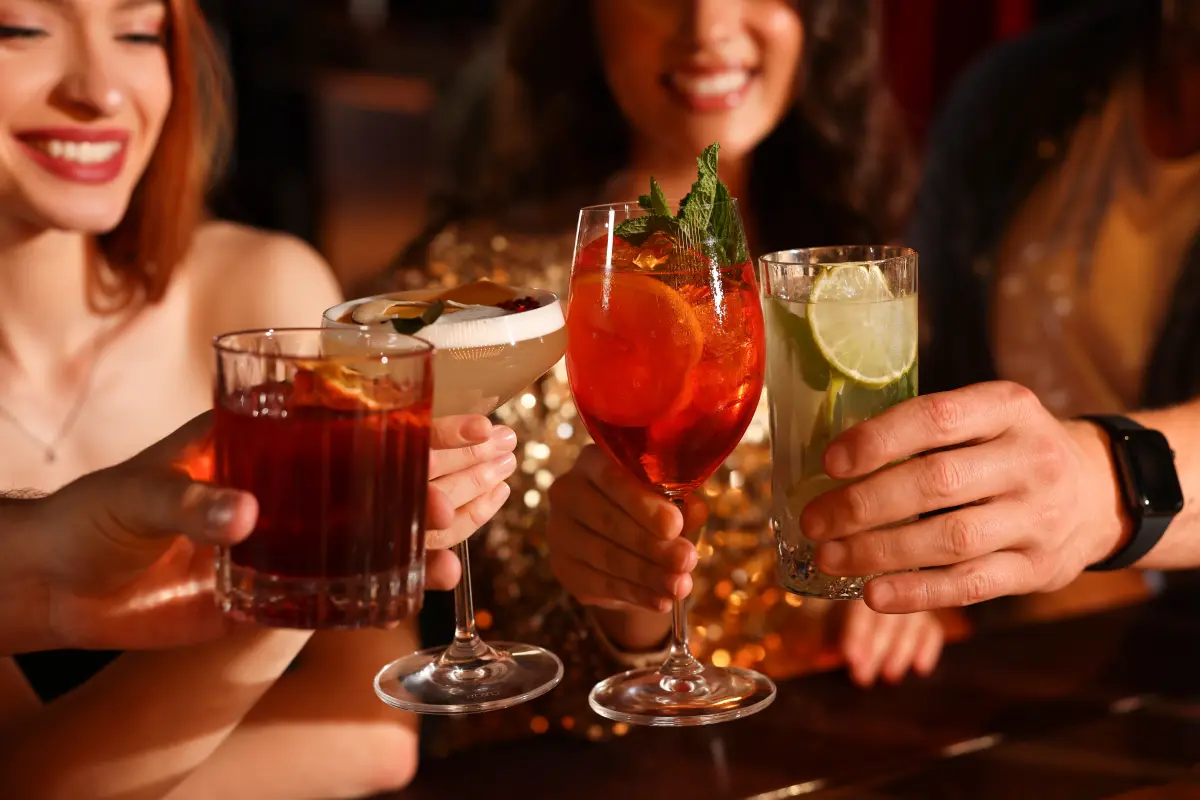
After spending long shifts mixing elaborate cocktails for customers with diverse preferences, bartenders often reach for something quite different when they’re off the clock. Their personal selections reveal a fascinating glimpse into industry tastes that range from simple classics to insider favorites. Three experienced bartenders from across the United States shared their authentic off-duty drink preferences, offering insights into what industry professionals genuinely enjoy when they step out from behind the bar.
Stephanie Cohen, head bartender at The Port of Call in Mystic, Connecticut, gravitates toward a sophisticated coffee liqueur-bourbon combination when her shift ends. She particularly enjoys a 50/50 split of Veritable Coffee Liqueur and Ship’s Bell Bourbon, explaining that after serving meals all evening, she craves something rich and flavorful but not necessarily high in alcohol content. Cohen appreciates how the honey and chocolate notes in the coffee liqueur complement the warm spices in the bourbon, creating what she describes as a “mini stirred coffee martini” experience that satisfies at any time. This thoughtful combination reveals how bartenders often create balanced flavor profiles even in their personal drink choices, appreciating nuance over sheer strength.
For Aleks Petrashek, who tends bar and manages at Barrel Proof in New Orleans, the perfect after-work drink combines traditional whiskey with beer in a ritualistic pairing. His recommendation of a chilled shot of Big Easy Whiskey followed by a Miller High Life “pony” (small bottle) chaser demonstrates the bartender’s appreciation for temperature and timing in enhancing flavor. Petrashek notes that serving whiskey straight from the freezer mellows its proof while highlighting its complexity, creating a layered tasting experience that begins with sweetness, transitions to caramel and spice notes, and concludes with a satisfying warmth. This meticulous attention to temperature and pairing shows how professional bartenders apply their craft knowledge even when drinking casually, transforming simple ingredients into more sophisticated experiences.
When it comes to straightforward shots, bartenders often have preferences that balance flavor with function. Ryan Foley from Bartender Magazine points to Rumple Minze peppermint schnapps as a longstanding industry favorite. This 100-proof spirit provides a cooling minty sensation that refreshes while delivering substantial alcohol content. Similarly, coconut-infused tequila made from 100% Blue Weber agave has gained popularity among bartenders both as a shot and as a versatile cocktail ingredient. These selections reflect how bartenders appreciate spirits that deliver distinctive flavor profiles while remaining relatively affordable, with peppermint schnapps typically available for $30-35 per bottle and coconut tequila offering what Foley describes as “great value for any occasion” while growing in popularity within professional circles.
Beyond straight spirits, bartenders also enjoy layered shot combinations that have become staples both behind and in front of the bar. The “Green Tea Shot” – containing no actual tea – has achieved widespread popularity among both customers and professionals. This concoction of equal parts Jameson Irish whiskey, peach schnapps, and sour mix, topped with a splash of lemon-lime soda, appears frequently during energetic nights out. Its widespread appeal stems partly from its accessibility – most bars stock these ingredients, making it an easy order anywhere. The popularity of such established shot recipes demonstrates how certain combinations transcend the boundary between customer favorites and bartender choices, becoming universal standards within drinking culture.
Perhaps most revealing are the “industry insider” choices that bartenders share among themselves but that remain largely unknown to the general public. The “M&M Shot” – a combination of mezcal and Amaro Montenegro rather than chocolate candy – exemplifies this category. This sophisticated pairing balances mezcal’s smoky, earthy, and slightly bitter profile against Amaro Montenegro’s sweet, herbal characteristics to create what Foley describes as a dessert-like experience. As not every establishment stocks mezcal, this selection functions as a kind of secret handshake among cocktail professionals and enthusiasts – what Foley calls an “if you know, you know” choice that signals membership in cocktail culture. These insider selections reveal how bartenders maintain a separate drinking culture that runs parallel to mainstream preferences, valuing complexity and craftsmanship that might escape the average customer’s notice.
Through these diverse selections, a portrait emerges of professionals whose personal preferences are shaped by extensive experience with spirits, flavor combinations, and drinking contexts. While customers might expect bartenders to gravitate toward elaborate cocktails similar to those they create professionally, many actually prefer straightforward combinations that emphasize quality ingredients and thoughtful pairings over complexity. From coffee-infused bourbon that satisfies after a long shift to insider mezcal combinations that signal industry knowledge, bartenders’ off-duty choices reflect both practical wisdom and refined taste. These selections reveal professionals who understand drinking as both craft and comfort – capable of appreciating both high-concept flavor profiles and simple pleasures. In their personal choices, we glimpse not just what bartenders drink, but how they think about drinking: as an experience to be savored, shared, and sometimes simplified after hours of crafting experiences for others.