



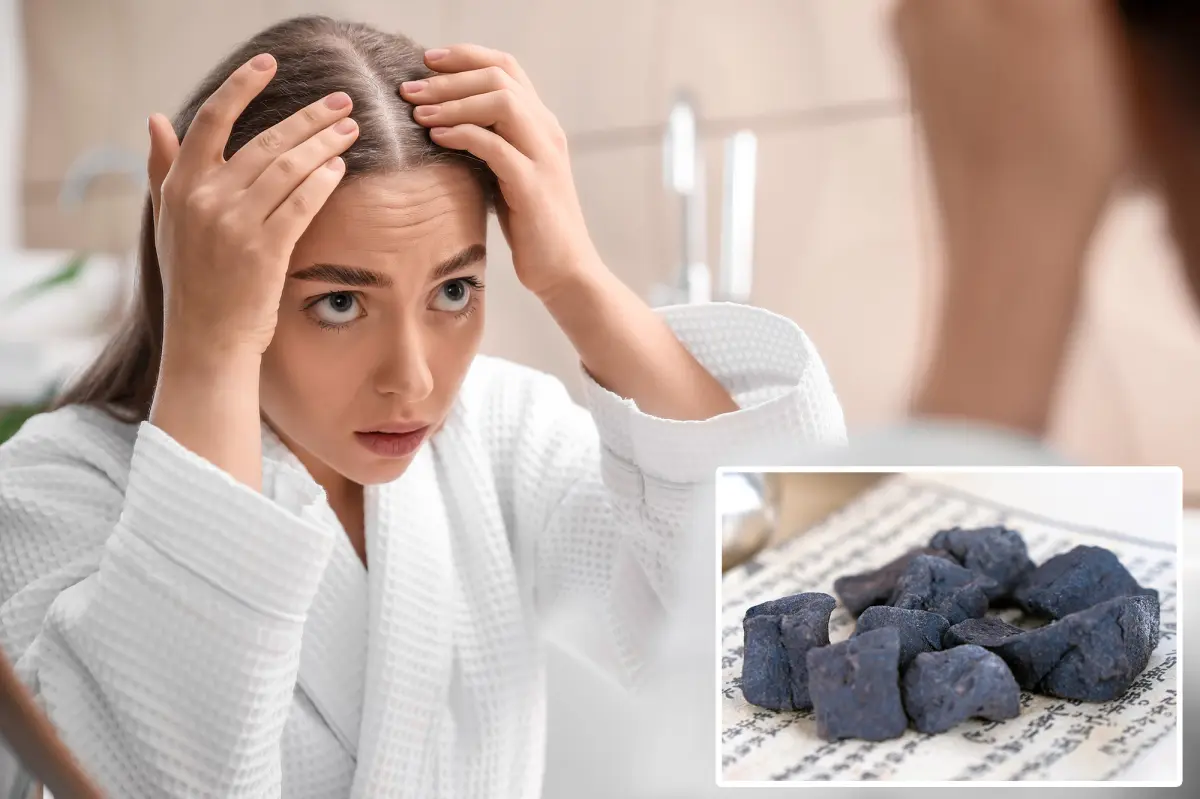
Hair loss is something that hits close to home for millions of us, especially as we navigate the stresses of modern life. I’m talking about androgenetic alopecia, the common type that affects around 50 million men and 30 million women in the U.S. alone. For far too long, we’ve relied on prescribed meds like Finasteride and Minoxidil, which come with a laundry list of side effects—think sexual issues, mood swings, irritating scalp rashes, and even unwanted body hair in places you’d rather not deal with. It’s exhausting, right? Patience is wearing thin, and people are searching for gentler options. Enter Polygoni multiflori radix, or PMT for short, this ancient remedy from traditional Chinese medicine that’s been quietly offering hope for thinning hairlines without the drama. Imagine turning to nature for answers instead of popping pills—a tuber that’s been used for centuries to tackle hair loss and even early graying. Beyond hair, it’s got a rep for being an antioxidant powerhouse, calming inflammation, boosting brain and heart health, and even showing anti-cancer vibes in some studies. It’s like an all-around wellness hero wrapped in a root. Researchers dove into old medical diaries from as far back as the Tang Dynasty in 813 AD, piecing together how this herb has been brewed, boiled, or otherwise prepared over millennia. What they found is fascinating: a holistic approach that aligns with today’s science, giving us a fresh way to harness its potential without the pharmaceutical baggage.
In traditional Chinese medicine, or TCM, everything boils down to balance—yin and yang, that vital energy called qi flowing through the body. Hair health, according to these ancient teachings, is deeply tied to your liver and kidneys. Common hair loss issues stem from imbalances like “blood heat with wind-dryness,” where your body feels too hot and dry, or “damp-heat in the spleen and stomach,” causing sticky, overheated messes internally, or even “liver-kidney yin deficiency,” which leaves you feeling depleted and run down. PMT steps in as a “tonifier”—a gentle promoter of strength—for those liver and kidneys, while nourishing your blood and dispelling harmful “wind” that dries things out. That’s why it’s been prescribed forever to strengthen hair roots, put the brakes on premature graying, and fight off baldness. The study authors note that this ancient pattern of “liver-kidney deficiency” mirrors the symptoms of androgenetic alopecia, sharing similarities in how follicles weaken and fall out. Plus, by boosting blood flow and keeping the scalp in tip-top shape, PMT could help with those heat-and-dryness issues too. It’s empowering to think that something so old-school could be so spot-on for today’s problems, blending folklore with real, modern pharmacology. I love how this shines a light on alternatives; it’s not just about masking symptoms but addressing root causes holistically, which feels way more intuitive than the quick-fix mentality of Western meds.
Now, let’s contrast this with the mainstream options that most of us turn to today. Finasteride, known to many as Propecia, is a pill that targets an enzyme converting testosterone into dihydrotestosterone—the hormone that shrinks hair follicles and halts growth. It’s effective for some, but it doesn’t come cheap; side effects can include things like sexual dysfunction or mood changes that nobody wants to deal with. Minoxidil, available in pill form or as a topical foam, works by ramping up blood flow to the follicles, encouraging thicker, stronger hair. Again, it’s popular—sales are booming thanks to easy-access platforms like Hims and Hers—but think scalp irritations, dizziness, or that pesky unwanted hair sprouting up elsewhere. While online buzz claims Gen Z is shedding faster due to stress, screens, mental health woes, and pollution, hard data doesn’t scream alarm just yet. Still, market trends paint a picture of rising demand, fueled by lifestyle shifts like unhealthy diets and chronic anxiety. Gen Z is feeling the pressure, scrolling for solutions, but the pharma route often leaves them frustrated. PMT’s holistic vibe—regulating hormones, improving circulation, and supporting overall scalp health—offers a breath of fresh air. It’s got a safer edge, focusing on regeneration rather than just stalling the loss, without the wild side effects that can derail your day-to-day. It’s relatable for anyone tired of juggling meds; imagine swapping out frustrations for something that nurtures rather than disrupts.
The beauty of PMT lies in its gentle, natural profile, which makes it appealing for those who prefer non-invasive paths. Where_finasteride and Minoxidil might force quick chemical shifts, potentially leading to rebound issues or dependencies, this herb addresses balance at a systemic level. Researchers emphasize its safety, backed by thousands of years of use, suggesting it’s far less likely to cause the hormonal havoc or irritation of synthetic options. For sufferers, especially younger folks grappling with modern stresses, it’s a game-changer—practical, approachable, and aligned with the self-care trends we’re seeing everywhere. You can almost picture yourself brewing a simple tea or taking a supplement, feeling in control of your health journey, rather than chained to prescription counters. It’s about empowerment, turning an age-old remedy into a viable tool for hair restoration that’s kind to your body. In a world of fast fixes, PMT reminds us that patience and nature often win out, offering hope without the hoops.
One of the study’s lead researchers, Bixian Han, summed it up perfectly, calling their work a bridge between ancient wisdom and cutting-edge science. “What surprised us,” Han shared, “was how consistently historical texts—from the Tang Dynasty onward—described effects that align perfectly with today’s understanding of hair biology.” It’s reassuring to hear from experts like this; it validates that PMT isn’t just quaint tradition—it’s grounded in pharmacokinetics, with compounds directly supporting follicle health. This blend of old and new makes it more than a curiosity; it’s a proven pathway for those open to it. The study backs up its efficacy not through fleeting trends but through rigorous analysis of centuries-old records, affirming that PMT’s benefits aren’t mythical—they’re measurable. For hair loss patients who’ve bounced from one treatment to another, this feels like a revelation, a way to reclaim confidence without compromise.
Ultimately, exploring PMT for hair loss opens doors to a more compassionate approach to wellness. As someone who’s seen friends struggle with balding or thinning worries, I appreciate this shift toward natural alternatives that prioritize safety and sustenance over aggressive interference. It resonates in our age of mindfulness, where we’re all seeking ways to nurture our bodies holistically. Whether you’re dealing with stress-induced shedding or just noticing those early signs, PMT stands as a reminder that the past holds powerful keys for our future. Embracing it could mean stepping away from side-effect nightmares into a realm of gentle, effective care. For the millions affected, this isn’t just science—it’s a story of reclaiming vitality, one root at a time, blending actionable insights with a touch of timeless grace that makes tackling hair loss feel a little less daunting and a lot more hopeful. In the end, it’s about finding what works for you, sustainably and naturally.