



The Reality Behind the Hype: When Famous Tourist Destinations Disappoint
In the age of Instagram-perfect travel photos and viral TikTok videos, it’s easy to build up grand expectations for world-famous tourist attractions. However, a revealing new report has pulled back the curtain on several iconic destinations that may not live up to their carefully cultivated image. This eye-opening analysis from Stasher, a luggage storage travel company, evaluated over 100 global tourist attractions based on Google Reviews, social media engagement, accessibility, safety, and accommodation quality to determine which famous sites leave visitors feeling most disappointed.
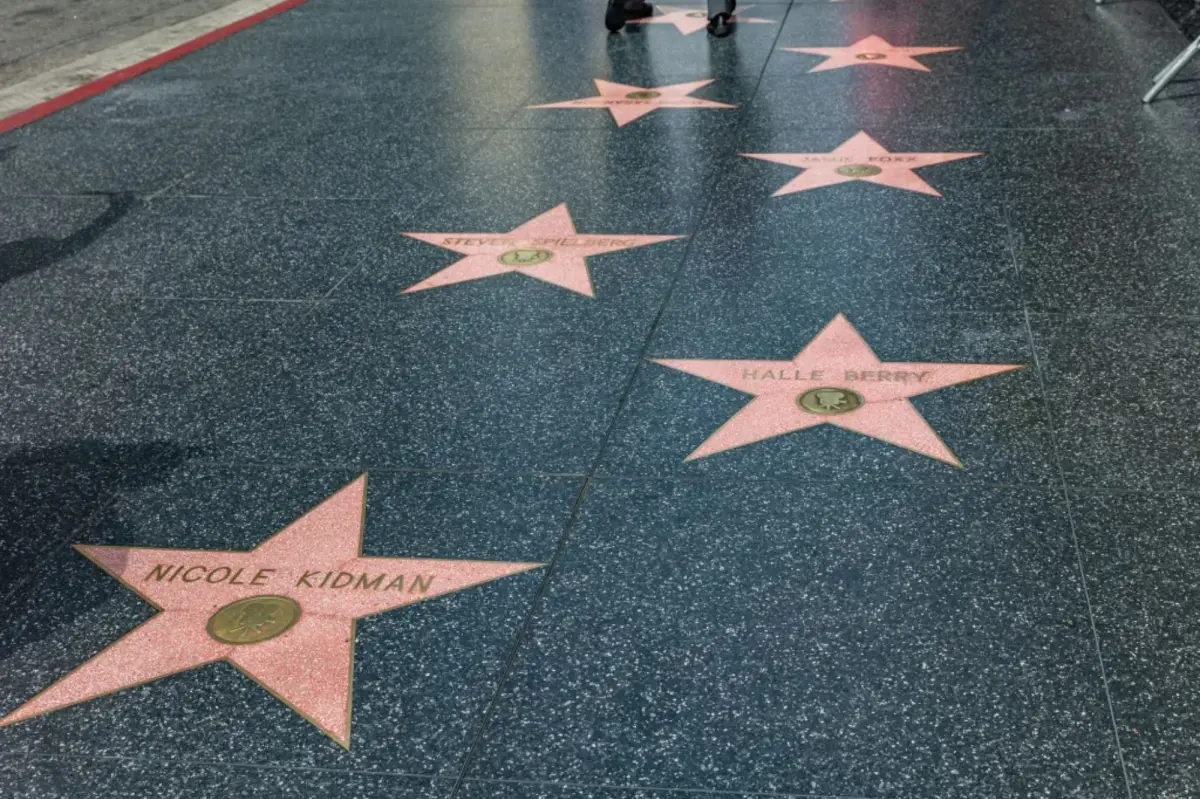
Topping the list of underwhelming destinations is the Hollywood Walk of Fame in Los Angeles. Despite its worldwide recognition and cultural significance, this sidewalk of celebrity stars received the dubious honor of being labeled the “worst” tourist attraction among those studied. Located 23 miles from LAX airport, the site scored poorly in both Google ratings and safety assessments. While the Walk of Fame boasts over 2,800 stars honoring achievements across entertainment industries—film, television, music, radio, and live performance—many visitors find the reality a far cry from the glamorous Hollywood image they’ve seen in movies and television. Tripadvisor reflects this mixed reception, ranking it just 3.4 out of 5 stars and placing it at number 64 on Los Angeles attraction recommendations, hardly a ringing endorsement for such a globally recognized landmark.
Visitor experiences at the Hollywood Walk of Fame reveal a stark contrast between expectation and reality. Many tourists describe the area as run-down, dirty, and potentially unsafe, with one visitor specifically advising against bringing young children. The comments frequently mention uncomfortable encounters with aggressive street performers, overpriced restaurants, and a general sense of seediness that contradicts the glamorous Hollywood mystique. One particularly disappointed tourist noted, “The image you have of the Hollywood Walk of Fame is one of stardom and glitz, but the reality is your average city center with expensive gift shops.” This disconnect between the idealized vision of Hollywood and its gritty reality seems to be at the heart of many visitors’ disappointment. The stars themselves—simple plaques embedded in concrete—may also fail to provide the dramatic impact that first-time visitors anticipate from such a famous attraction.
Nevertheless, the Walk of Fame does have its defenders among tourists who approach it with more measured expectations. Some visitors acknowledge its shortcomings while still appreciating its cultural significance, with one noting, “OK, it’s a bit shabby, tacky and touristy, but if you’re a tourist, then why not!” Others view it as an essential, if imperfect, part of the Los Angeles experience—a chance to connect with entertainment history and perhaps spot a familiar name among the stars. The Hollywood Chamber of Commerce, which maintains the attraction and continues to add approximately two new stars monthly, promotes it as a “world-class tourist attraction” and “a tribute to all of those who worked so hard to develop the concept.” This official positioning highlights the gap between institutional promotion and the lived experiences of many visitors.
The Hollywood Walk of Fame isn’t alone in its reputation for disappointing tourists. Several other globally renowned destinations made Stasher’s list of “top 10 tourist traps that just aren’t worth it,” including some surprising entries that many would consider bucket-list destinations. The Dead Sea, straddling the border between Israel and Jordan, appears on the list despite its unique natural properties and historic significance. Istanbul’s Grand Bazaar, one of the world’s oldest and largest covered markets, similarly fails to impress many visitors according to the report. Perhaps most surprisingly, even the Great Wall of China—one of the world’s most recognized architectural achievements—found itself among the top ten disappointing attractions, suggesting that even the most objectively impressive sites can fall victim to overinflated expectations or poor visitor management.
The findings from this report raise important questions about tourism marketing, expectation management, and the nature of travel itself in our social media-saturated world. When destinations are consistently portrayed through carefully curated images and influencer endorsements, the reality—complete with crowds, commercialization, and everyday urban problems—can feel jarring to unprepared visitors. Yet this disconnect also offers an opportunity for more authentic travel experiences. Perhaps the most satisfying journeys come when travelers research beyond the glossy brochures, set realistic expectations, and approach famous sites with an appreciation for their complexities—both positive and negative. The Hollywood Walk of Fame, like many entries on this list, isn’t necessarily a destination to avoid entirely, but rather one to approach with open eyes and measured expectations, understanding that the most meaningful travel memories often come from embracing places as they truly are, not as we imagined them to be.