




Alex Honnold’s Taipei 101 Free Solo Climb Postponed Due to Weather
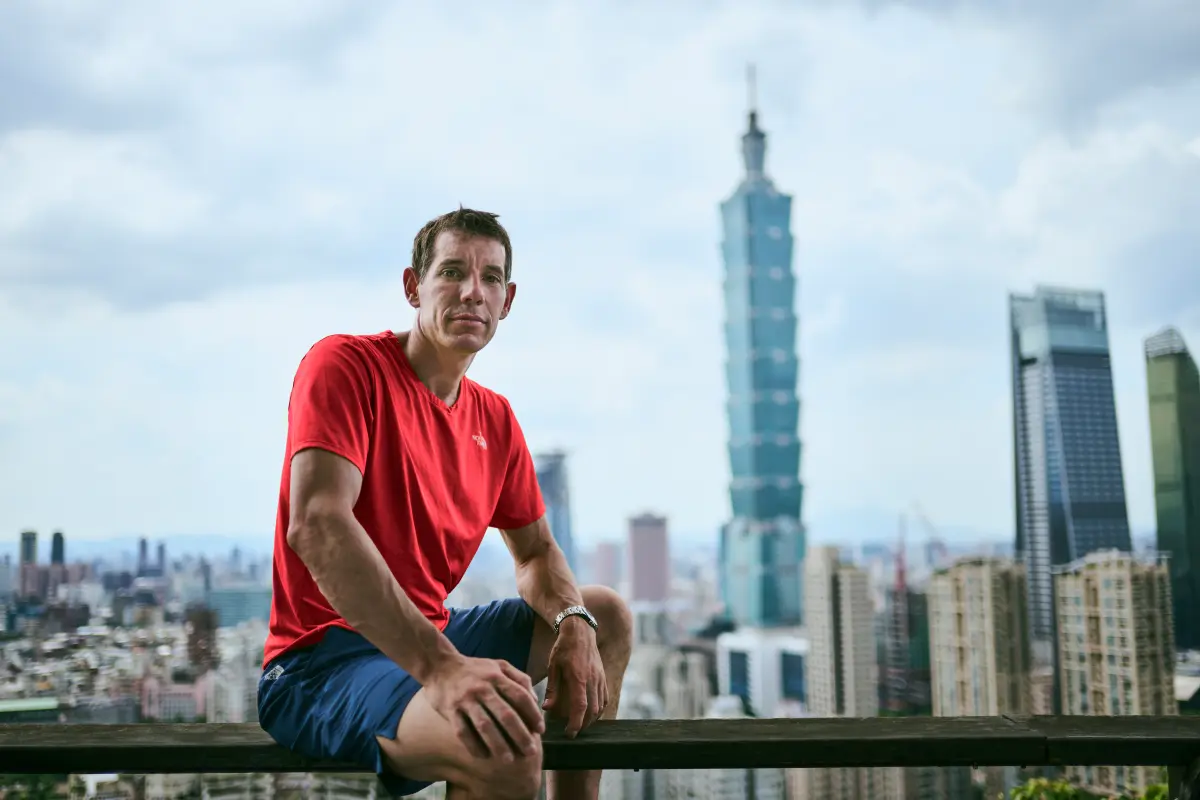
In a decision prioritizing safety over spectacle, organizers have delayed professional rock climber Alex Honnold’s breathtaking free solo attempt on Taipei 101 by 24 hours due to rainy conditions in Taiwan’s capital. The highly anticipated climb, set to be broadcast live on Netflix, was originally scheduled for Saturday local time (Friday evening in the US), but persistent rainfall forced event coordinators to reschedule for Sunday morning in Taiwan, when forecasts promise clearer skies. This postponement affects not only the global audience eager to witness this remarkable feat but also the approximately 100 spectators who had gathered at the site, including dedicated fans like Queenie Chang, who fully supported the decision and pledged to return the following day.
The delay demonstrates the meticulous planning and safety considerations surrounding this extraordinary climbing challenge. Organizers had already acknowledged the possibility of light rain during their preparation phase and had contingency plans in place to ensure Honnold’s safety remained paramount. Netflix echoed this sentiment in their official announcement of the postponement, emphasizing that safety considerations outweighed all other factors in their decision-making process. For those following in American time zones, the rescheduled event will now air live on Saturday at 5 p.m. Pacific time (8 p.m. Eastern), still offering viewers the chance to witness this unprecedented urban climbing achievement in real-time.
This postponement highlights the unique challenges involved in Honnold’s urban free soloing compared to his previous natural rock face climbs. While Honnold gained worldwide recognition for his ropeless ascent of Yosemite’s El Capitan, documented in the Oscar-winning film “Free Solo,” climbing a skyscraper presents different variables – particularly weather conditions that affect the building’s exterior surfaces. Rain creates slippery conditions on Taipei 101’s glass and metal facade that would significantly increase risk during a climb where there is literally no margin for error. The building, once the world’s tallest before being surpassed in 2010, remains an iconic architectural marvel standing at 1,667 feet (508 meters) with its distinctive tiered design resembling a bamboo stalk – representing a particularly unique challenge for even the world’s most accomplished free soloist.
The human element of this event resonates throughout the climbing community and beyond. Fans like Queenie Chang represent the growing global appreciation for extreme climbing achievements, particularly those undertaken by Honnold, whose methodical approach to seemingly impossible challenges has inspired countless individuals. “His safety comes first, and I’ll still come back tomorrow,” Chang’s comment reflects the respectful understanding within the climbing community that prudent risk management takes precedence over entertainment. The postponement also reveals the human side of Honnold himself – despite his reputation for pushing boundaries, he and his team recognize when conditions exceed acceptable risk parameters, demonstrating that even in extreme sports, calculated decision-making remains essential.
The live broadcasting element adds another dimension to this climbing spectacle. Netflix’s decision to air the event live represents a significant shift in how extreme sports are consumed by global audiences, creating a shared experience where viewers worldwide can witness history as it happens. This approach differs markedly from the carefully edited documentary format that introduced many to Honnold’s climbing prowess. The streaming platform’s willingness to accommodate the weather delay demonstrates their commitment to authenticity in sports broadcasting, allowing the event to unfold under optimal conditions rather than forcing adherence to a rigid schedule. This flexibility acknowledges the unpredictable nature of outdoor athletic achievements while maintaining the excitement of the live experience.
As anticipation builds for the rescheduled attempt, the brief delay has perhaps only heightened interest in Honnold’s urban climbing challenge. The postponement serves as a reminder of the delicate balance between pushing human achievement and respecting natural limitations – a theme consistent throughout Honnold’s remarkable career. When Sunday morning arrives in Taipei, all eyes will turn to this unprecedented attempt to scale one of Asia’s most recognizable skyscrapers without ropes or safety equipment. Whether successful or not, the climb represents another chapter in expanding the boundaries of what climbers can accomplish, while the careful approach to weather conditions demonstrates that even in the most extreme pursuits, thoughtful risk assessment remains an essential component of the adventure.