



Stoli Group and Kentucky Owl Face Liquidation After Bankruptcy Struggles
In a dramatic turn for two renowned alcohol brands, Stoli Group USA LLC and Kentucky Owl LLC are now facing complete liquidation of their U.S. inventory after failing to successfully reorganize under Chapter 11 bankruptcy protection. The companies, known respectively for the iconic Stolichnaya vodka and premium Kentucky Owl bourbon, have reached a critical juncture where creditors have lost faith in their ability to recover financially while continuing operations. This shift from reorganization to liquidation represents a significant downfall for brands that once enjoyed strong market positions in the American spirits industry, highlighting the volatile nature of today’s alcohol market despite the general resilience of premium spirits during economic downturns.
The bankruptcy journey began in November 2024 when Stoli Group’s U.S. entities filed for Chapter 11 protection in the Northern District of Texas Bankruptcy Court. Initially, the company attributed its financial troubles to a devastating cyberattack that had disabled its SAP system, causing cascading problems with financial reporting. This technical failure, according to the company’s narrative, undermined the confidence of its primary lender, Fifth Third Bank, and created insurmountable liquidity challenges. The filing was presented as a temporary measure to reorganize while maintaining business operations – the fundamental purpose of Chapter 11 protection. However, as court documents now reveal, this explanation has failed to convince creditors who have observed continuing problems long after the company claimed its systems would be restored.
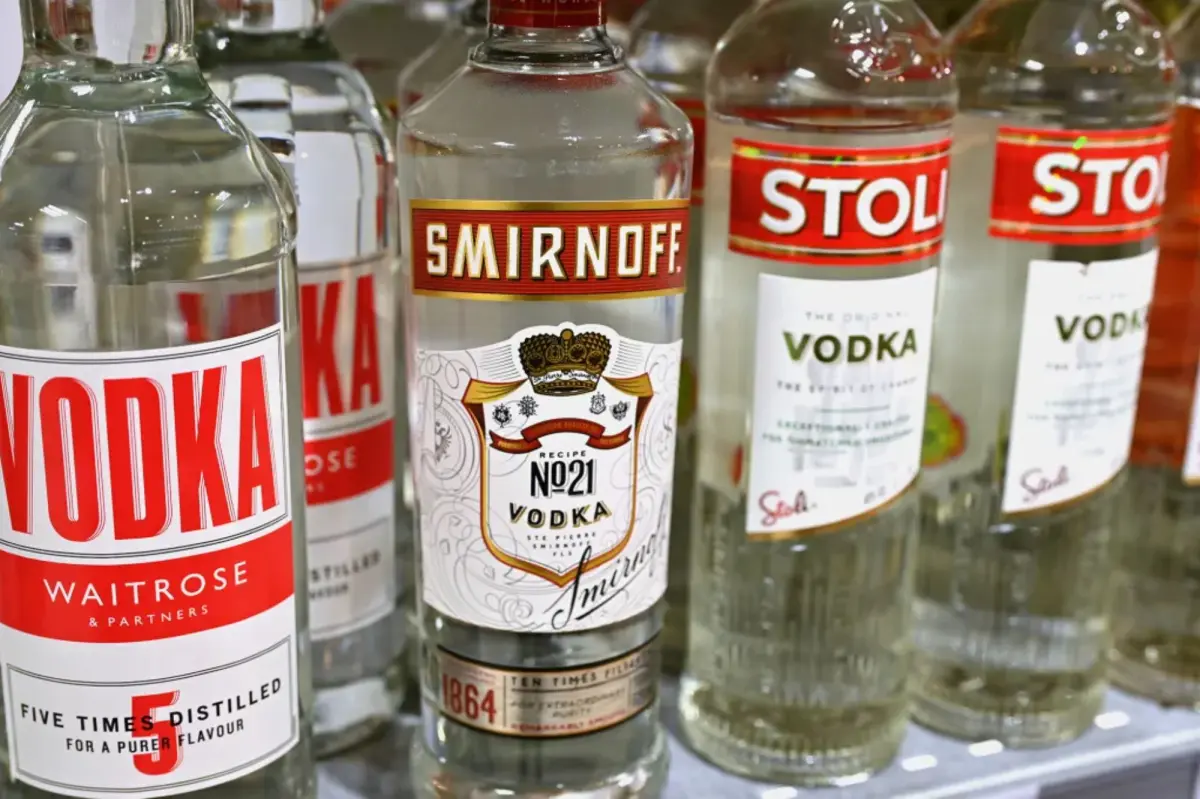
Creditors have now formally requested the court to convert the cases from Chapter 11 reorganization to Chapter 7 liquidation – a significant and rarely reversible step that signals the end of these businesses as going concerns. This conversion means that rather than attempting to restructure debts while continuing operations, the companies will sell off all assets to satisfy creditor claims as fully as possible. For Stoli Group, this represents a stunning reversal after years of building the Stolichnaya brand in the American market. The vodka, with its Russian heritage (though now produced in Latvia), has been a staple in bars and liquor stores across the country, making this development particularly notable in the spirits landscape. The company’s management has not yet publicly responded to requests for comment on this latest development, leaving questions about the future of the brand in the United States.
Kentucky Owl’s situation tells a similar but distinct story of market challenges. The premium bourbon label had earned significant industry respect and accolades for its craft products, positioning itself in the luxury segment of American whiskey. However, the brand faced mounting pressures from two directions: rising production costs that squeezed margins and a broader slowdown in premium spirits demand that affected sales volumes. This combination proved deadly for a business that relied on both premium pricing and sufficient volume to sustain its operations. The bourbon industry has seen tremendous growth over the past decade, leading to increased competition and market saturation, particularly in higher price segments where Kentucky Owl operated. What once seemed like an endless bourbon boom has shown clear signs of moderation, catching some producers who expanded aggressively during the growth years in precarious positions.
The failure of these companies reflects broader trends in the alcohol industry beyond just company-specific issues. While premium spirits enjoyed remarkable resilience during previous economic downturns, recent years have seen changing consumer preferences, supply chain complications, and increasing production costs challenge even established brands. The spirits market has also become increasingly crowded, with craft distilleries and celebrity-backed brands competing for shelf space and consumer attention. Additionally, younger consumers have shown different drinking patterns than previous generations, with many reducing alcohol consumption or shifting to ready-to-drink alternatives and non-alcoholic options. These industry-wide shifts created an environment where companies already facing internal challenges found little margin for error or recovery.
What happens next will be closely watched by industry observers and competitors alike. The liquidation process will likely result in the sale of valuable inventory, brand rights, and potentially production facilities to other industry players or investment firms. The Stolichnaya brand itself may continue under new ownership in the American market, though potentially with disruption to distribution and marketing programs. For Kentucky Owl, its valuable aged whiskey stocks represent significant value that competitors may eagerly acquire. Employees of both companies face uncertain futures as operations wind down, adding a human dimension to this business failure. Ultimately, this case study demonstrates how quickly fortunes can change in the beverage alcohol industry, where brand equity built over decades can be jeopardized by operational failures, market shifts, and financial mismanagement – a sobering reminder for all players in this competitive landscape.