



Airport Guest Passes: A Return to Pre-9/11 Traditions
In a heartwarming revival of a long-lost airport tradition, several U.S. airports are reintroducing guest passes that allow non-flying visitors to venture beyond security checkpoints. Oakland San Francisco Bay Airport (OAK) recently announced its new program, joining a growing list of airports embracing this nostalgic return to pre-9/11 practices. These passes allow friends and family members to accompany travelers to their gates, recreating those emotional airport farewells and greetings that were once a standard part of the air travel experience. The initiative represents a significant shift in airport security philosophy, carefully balancing the stringent safety measures implemented after September 11 with the human desire to share important travel moments with loved ones.
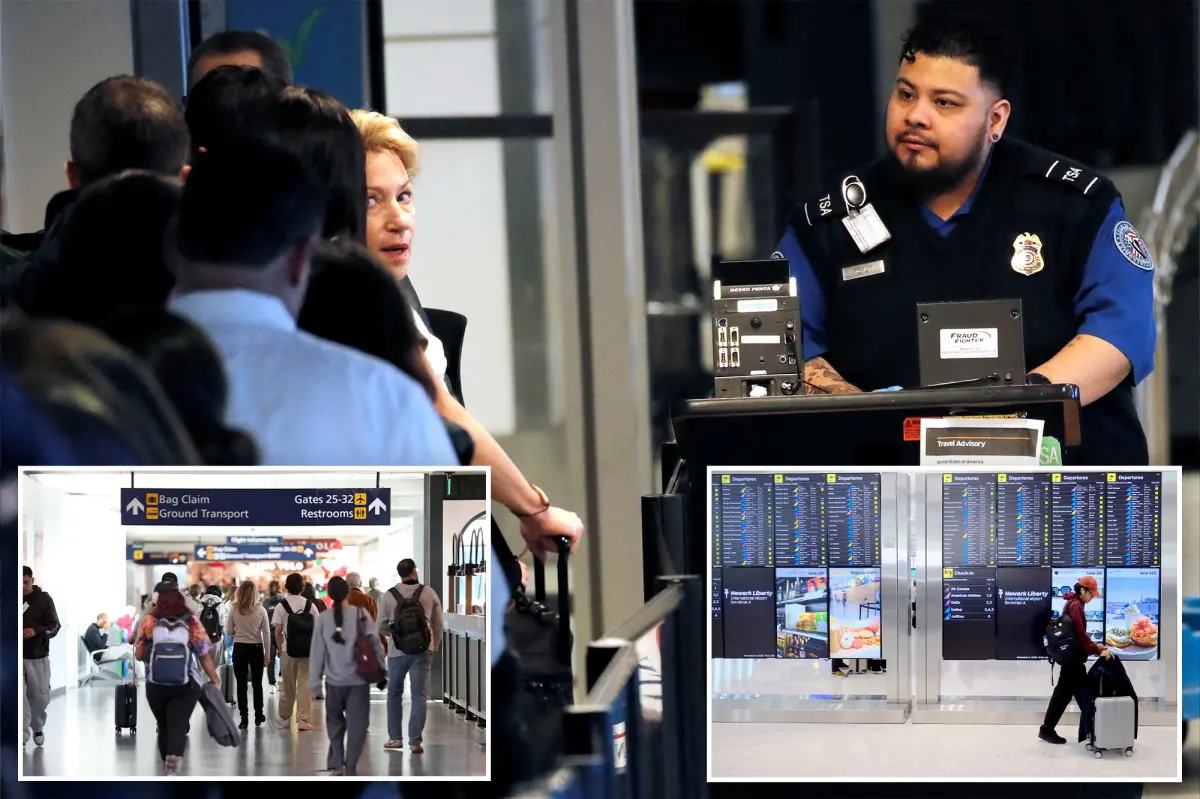
The process for obtaining these guest passes varies slightly between airports but follows similar security protocols. At Oakland Airport, “non-passengers” must apply online up to seven days before their planned visit, providing personal information for TSA screening. Once approved, visitors receive an OAK guest pass that, along with a TSA-approved photo ID such as a passport or Real ID, grants them access beyond security checkpoints. This carefully managed system maintains security while reintroducing a cherished tradition. Other airports have developed similar programs with unique names reflecting their local identity: Cleveland offers a “hangout pass,” San Antonio provides a “SAT Pass,” Kansas City features a “guest pass,” Philadelphia has created a “wingmate pass,” and Detroit Metropolitan Airport issues a “destination pass.” Each program represents a careful balance between security requirements and enhancing the airport experience.
Before the September 11 attacks transformed air travel security forever, airports were considerably more accessible public spaces. Security was present but minimal, and virtually anyone could pass through checkpoints to access gates, restaurants, and shops throughout the terminal. The creation of the Transportation Security Administration (TSA) after 9/11 dramatically changed this openness, implementing federal regulations that restricted secured areas to ticketed passengers only. These necessary security measures effectively ended a significant cultural tradition – the ability to accompany departing travelers to their gates or greet arriving passengers as they stepped off the plane. For twenty years, emotional goodbyes shifted to crowded pre-security areas, and those waiting to welcome travelers home had to stand by at baggage claim rather than being present for the moment of arrival.
The emotional significance of these guest pass programs becomes apparent in online discussions where travelers share their nostalgic memories of pre-2001 airports. Many recall the special experience of having entire families come to the airport, not just to drop someone off but to spend time together watching planes, sharing a meal, and staying until the very moment of departure. One Reddit user fondly remembered seeing their grandmother immediately upon exiting the plane when traveling as a child. Others described how airports functioned as genuine public spaces where people would visit simply to observe aviation in action or enjoy the unique atmosphere, even without travel plans. These reminiscences highlight how airports once served as important community spaces for significant life transitions – places where meaningful goodbyes and celebratory welcomes occurred within the context of the actual journey.
What makes these new guest pass programs particularly noteworthy is how they represent an evolution in security thinking. Rather than maintaining an absolute separation between travelers and non-travelers, airports are now experimenting with controlled access that maintains security protocols while acknowledging the human elements of travel. This shift recognizes that air travel isn’t merely transportation – it’s often connected to significant life events, family separations, reunions, and milestones that people naturally want to share. By implementing structured screening processes for non-passengers, airports can maintain security vigilance while restoring some of the community aspects that made these spaces special. The careful verification procedures demonstrate how security and human connection can coexist through thoughtful policy design.
It’s important to note, however, that these programs remain experimental and potentially temporary. Oakland Airport specifically mentions that its guest pass initiative “is not a permanent program” and reserves the right to cancel or modify it without notice based on “exigent circumstances or operational needs.” This cautious approach reflects the continuing priority of security in American airports while showing willingness to evolve. As more airports introduce similar programs and evaluate their impact on both security operations and customer satisfaction, we may see this tradition become more firmly established across the country. For now, these passes offer a meaningful bridge between necessary security measures and the deeply human aspects of travel – allowing for proper goodbyes at departure gates and immediate embraces upon arrival, restoring some of the emotional richness that was inadvertently sacrificed in the pursuit of safer skies.