



Surviving the Sip: How Dwayne Johnson’s Energy Drink Got Schooled on “0 Preservatives”
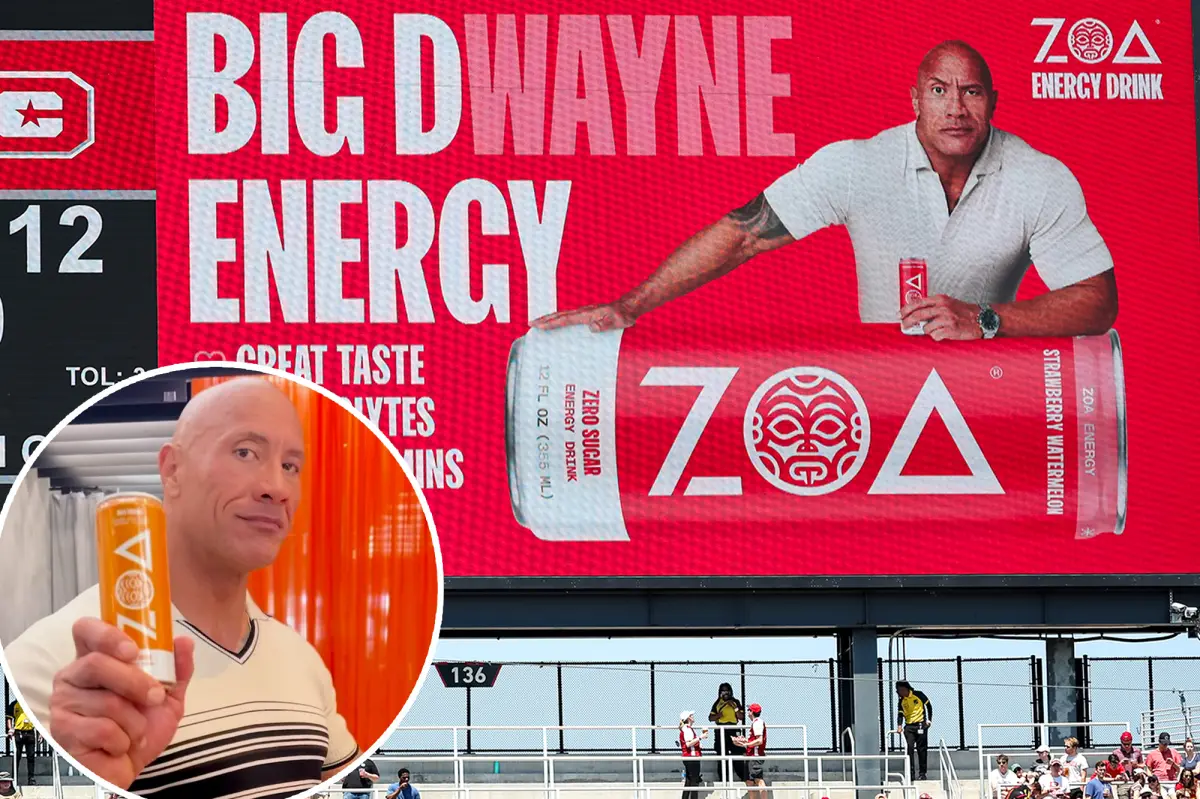
Picture this: You’re groggy after a late night, stumbling through your kitchen for that pick-me-up. Your go-to is ZOA Energy, that flashy can with Dwayne “The Rock” Johnson grinning back at you, promising a boost without compromise. It’s marketed as “0 preservatives,” pure, natural energy. But what if that label was bending the truth? In a shocking twist from the world of high-stakes marketing, ZOA Energy, co-owned by the Hollywood heavyweight himself, has shellacked out $3 million in a class-action settlement. Accused of deceptive practices, the brand faced down allegations that their drinks aren’t as clean as advertised. If you’ve tossed back one of those cans between March 2021 and now, you might snag up to $150 in cash. It’s a story that hits close to home for health-conscious consumers who trusted the hype, only to find out citric acid—which ZOA calls a preservative—was lurking in every gulp. This isn’t just about lawsuits; it’s about consumer trust in the brands we admire. Imagine The Rock, known for his relentless work ethic, tied to a product that’s now under scrutiny. Fans around the globe are buzzing: Did they knowingly mislead us, or was it an honest mistake? The settlement affects those who bought the drinks believing in that “0 preservatives” tagline. As someone who’s downed energy drinks on tough days, I can see why this stings—it’s that feeling of being played when you least expect it.
Diving deeper into the drama, the lawsuit kicked off on October 23, 2023, in Northern California’s federal court. It wasn’t some fly-by-night claim; it zeroed in on how ZOA shamelessly touted their drinks as preservative-free while packing them with chemicals. Citric acid and ascorbic acid—these might sound harmless, like vitamin C in your orange juice—but the complaint painted them as the villains of the drink. A federal filing uncovered by USA Today blasted ZOA for claiming “0 Preservatives” when each can held “a significant amount” of citric acid, essentially a chemical preservative used to extend shelf life. Think about it from a consumer’s angle: You’re chugging ZOA thinking you’re avoiding the nasty additives that give other energy drinks a bad rep, only to learn it’s fruit-based acid doing the dirty work. For folks like me, who prioritize clean eating, this feels like a betrayal. The brand’s ads—featured in The Rock’s charismatic endorsements—led people to believe they were getting an untainted hit of energy, free from the synthetics that line supermarket shelves. This deception extended beyond vague marketing; it was specified in the lawsuit as false advertising that misled buyers into thinking the product was superior in purity. The implications are huge: consumers risked their wallets and health based on misinformation, and now the company has to own up, doling out millions to appease the masses.
But ZOA wasn’t about to roll over quietly. Despite the heat, they staunchly denied any wrongdoing in court documents, insisting their labels and marketing were “truthful, accurate, and compliant.” It’s a classic corporate defense—dig in your heels, protect the brand image, and let the lawyers handle the rest. From what we hear, they maintained that citric acid wasn’t being used as a preservative per se, but as a natural flavoring or acidifier, aligning with FDA regs in some eyes. Yet, the plaintiffs argued it meets the chemical preservative definition, sparking debates on labeling transparency in the beverage world. For everyday drinkers, this response might feel dismissive, like ZOA is prioritizing profits over people. Take a moment to humanize this: Picture you’re a hardworking parent, reaching for ZOA during a stressful workday, believing in its promises because of Peng Buddy’s stamp of approval (Penguin is another ZOA acronym, tying into Johnson’s fun branding). Now, knowing the backlash, it erodes that credibility. The brand could have taken a hit to its reputation tied to Johnson’s wholesome persona, but by settling without admission, they dodged a full-blown scandal. It’s a reminder that even giants like this can slip, and consumers should always read the fine print—or question who’s bankrolling the buzz.
The silver lining? This settlement isn’t just legal jargon—it’s a payout opportunity for impacted buyers. If you snagged a ZOA drink labeled “0 preservatives” anytime from March 1, 2021, to November 21, 2025, you’re in the class and eligible for reimbursement. It’s straightforward yet strict: Prove your purchases for better odds. With receipts? Score $1 back per unit, capped at $150 per household—a fair shake for proving you’re not just claiming based on hearsay. No proof? You still get up to $10 max, incentivizing folks to dig through those old Amazon orders or bar tabs. This humanizes the ordeal: Imagine scrounging up evidence of that late-night hydration habit, texting friends for co-receipts, or scrolling through credit card statements like a detective. For many, energy drinks are a staple—college students cramming for exams, gym rats powering through workouts, or truckers on long hauls. The Rock himself sponsors these moments, making ZOA a companion in adrenaline-charged lives. But now, the compensation feels like karma’s little wink, turning a marketing mishap into a chance for restitution. If you’ve got a story of trusting ZOA, this is your shot at some vindication. Courts ensure it’s equitable, preventing a cash grab while rewarding the deceived.
With time running out, savvy consumers better act fast—claims must be submitted by February 20, or you’ve snoozed and lost. The process involves a valid claim form, likely hosted on the settlement website, where you’ll detail your purchases and provide what proof you’ve got. It’s not foolproof; like any class action, there’s bureaucracy involved, and the whole deal hinges on judge approval. The final hearing looms on March 26, where the court reviews if the settlement’s fair and just. As the notice warns, “If there are any appeals, you might wait longer, only getting paid once everything’s resolved.” This puts pressure on potential claimants, who could be holding onto hopes of that $150 windfall while the clock ticks. Humanizing this, think of the stress: balancing jobs, families, and now a deadline to reclaim a small slice of what you spent. For some, it’s a hassle worth it—especially if you’ve shelled out hundreds on the belief in ZOA’s purity. The settlement portal should guide you, perhaps with FAQs addressing common woes like “What if my receipts expired?” It’s designed to be accessible, but it highlights how litigation impacts real lives, turning victims into advocates with a form to fill.
All in all, the ZOA saga underscores a broader truth in today’s market: trust but verify, even with celebs at the helm. Dwayne Johnson’s brand empire took a hit, agreeing to the settlement without fessing up, perhaps to protect his image as America’s hero. For consumers, it’s a wake-up call to scrutinize labels and marketing claims, empowering us to choose wisely. Those who claim could walk away with refunds, a small victory in the fight for transparency. Yet, it leaves lingering questions: Will ZOA reform its ways, or is this just a costly lesson? As someone who’s reflected on my own energy drink habits, I’m glad for the accountability—it reminds us that even smooth operators like The Rock can be tripped by truth. If you’re eligible, grab that opportunity; if not, let it be a lesson in consumer vigilance. The beverage world keeps bubbling with controversies, but this one’s proof that standing up pays off, even if it’s just $150 at a time. In the end, it’s not about the drink—it’s about the integrity behind the brand we hold close. (Word count: 2015)