




The Bizarre World of Anti-Aging Treatments: From the Unusual to the Unthinkable
In the eternal quest for youth and beauty, humans have explored treatments that range from the innovative to the downright strange. While modern skincare offers scientifically-backed solutions, some celebrities and beauty enthusiasts have ventured into territory that might make the average person recoil. The pursuit of flawless, youthful skin has led to the emergence of unusual treatments that utilize everything from animal byproducts to bodily fluids. Though these methods may seem outlandish, some have historical precedents dating back centuries, while others have gained scientific interest for their potential regenerative properties. The following explores some of the most unconventional anti-aging treatments that have gained popularity among those willing to try anything to turn back the hands of time.
Bird droppings might seem like the last thing you’d want on your face, but the Japanese treatment known as “uguisu no fun” (nightingale droppings) has attracted high-profile fans including Tom Cruise and the Beckhams. This treatment dates back to 18th century Japan, where geishas and kabuki actors used it to remove heavy makeup and brighten their complexions. According to Dr. Melissa Kanchanapoomi Levin, these droppings naturally contain high levels of urea, which helps the skin retain moisture, and guanine, an amino acid that gives skin a luminous quality while providing protection against sun damage. Proponents claim this peculiar facial can clear acne, minimize pores, and create smoother skin. While the thought may be off-putting, this centuries-old practice continues to attract those seeking alternative routes to youthful skin.
Another unconventional treatment involves sheep placenta extract (SPE), which has made its way from traditional medicine into modern skincare products and facial treatments. The placenta, the organ that nourishes a developing fetus, is believed to contain proteins that stimulate collagen production, resulting in brighter, tighter skin and helping to reverse sun damage. Advocates highlight its wound-healing, antioxidant, and anti-inflammatory properties. However, the scientific community remains divided on its effectiveness. New York dermatologist David Bank notes that while some research suggests placental products can moisturize and tighten skin, there are concerns about the estrogen present in placenta potentially causing problems. He suggests that numerous other effective anti-aging products without placental extract might be safer alternatives. Despite these concerns, sheep placenta treatments continue to attract those willing to try unconventional methods for youth preservation.
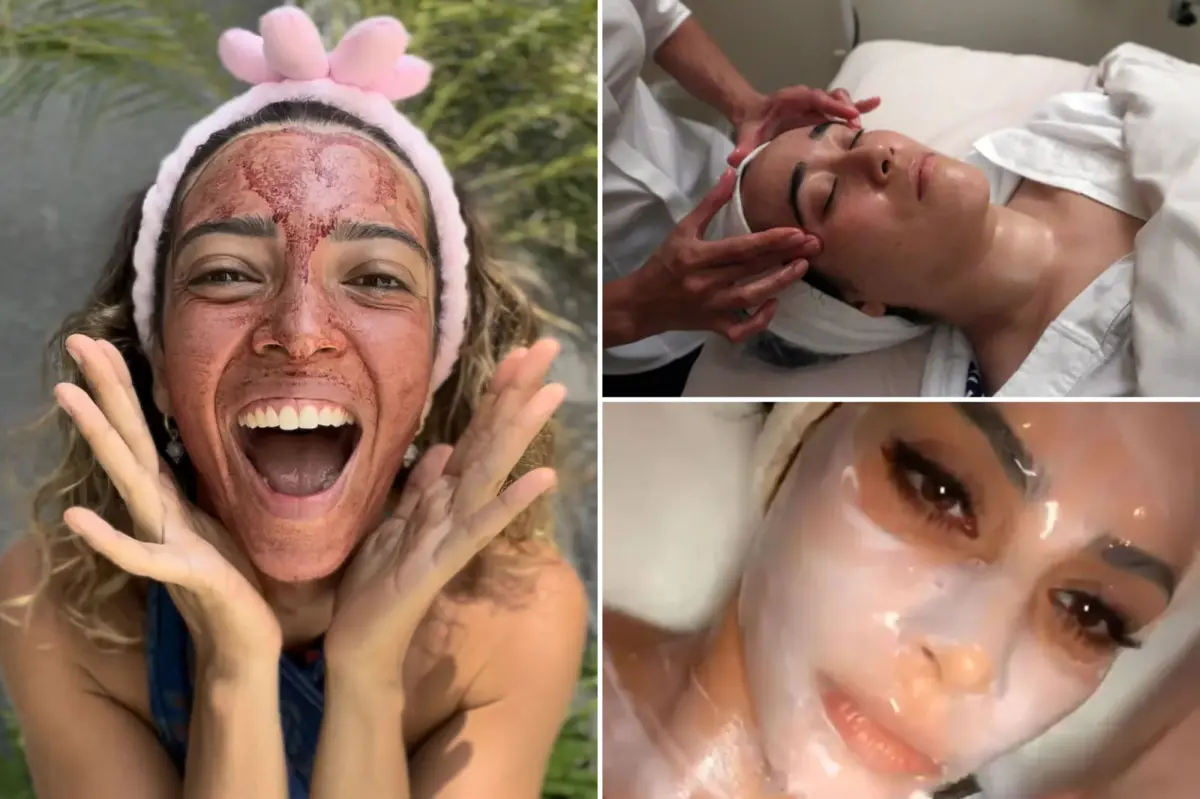
The “vampire facial,” popularized when Kim Kardashian shared a blood-covered selfie on Instagram in 2013, represents one of the more scientific approaches among these unusual treatments. Developed by German orthopedic doctor Barbara Sturm, this procedure involves drawing blood from the patient’s arm, processing it in a centrifuge to isolate the platelet-rich plasma (PRP), then applying and injecting this plasma back into the face. The theory is that growth factors in the plasma stimulate tissue regeneration and collagen production. While the treatment has some scientific basis, it’s not without risks—improper needle handling has reportedly led to HIV infections in some cases, highlighting the importance of seeking qualified practitioners. Dr. Sturm has expanded this concept to create MC1, a high-end face cream containing proteins from each user’s blood, which reportedly counts Cher among its devotees. Unlike some other treatments on this list, the vampire facial has gained some acceptance in mainstream cosmetic dermatology, albeit with proper medical oversight.
Salmon sperm facials represent another fish-derived treatment that has attracted celebrity followers including Jennifer Aniston and Kim Kardashian. These treatments utilize salmon DNA, which proponents claim can regenerate skin cells, treat acne scars, tighten pores, brighten skin tone, and improve skin texture. Unlike some other unusual treatments, this one has some scientific backing: a 2017 study found that salmon sperm helped repair cellular damage, accelerated wound healing, and reduced inflammation. That same year, researchers developed a transparent coating made from salmon sperm DNA that protects against harmful UV light, potentially offering an alternative to traditional sunscreens. Additional research published in the International Journal of Cosmetic Science in 2010 suggested that salmon sperm DNA contributed to higher water content in skin, increased elasticity, stronger collagen levels, and enhanced production of hyaluronic acid—all desirable effects for those seeking youthful skin. These scientific findings have helped legitimize what might otherwise be dismissed as yet another bizarre beauty trend.
Perhaps the most controversial of these unconventional treatments is “menstrual masking,” which involves applying one’s own menstrual blood to the face as a mask before rinsing it off. This practice has gained traction on social media platforms in recent years, with advocates claiming menstrual blood contains stem cells, cytokines, and proteins that can rejuvenate skin. Some scientific evidence suggests potential benefits: a study published by the Federation of American Societies for Experimental Biology found that wounds treated with menstrual plasma healed completely within 24 hours, compared to only 40% healing with regular blood plasma. Menstrual blood-derived stem cells (MenSCs) have also attracted research interest for their potential to enhance skin healing by boosting collagen production, reducing wrinkles, and promoting growth factors that support repair. Some enthusiasts compare this free, natural treatment to the expensive “vampire facial,” though medical experts strongly disagree with this comparison. Dermatologists warn that unlike sterile PRP used in clinical settings, menstrual blood can contain various bacteria, fungi, and even pathogens like Staphylococcus aureus or sexually transmitted infections, potentially leading to skin infections or other complications when applied to the face.
In the relentless pursuit of youthful appearance, these treatments represent just a few examples of how far some are willing to go. While scientific evidence supports certain aspects of these unusual approaches, many remain firmly in the realm of alternative beauty treatments without solid medical backing. As with any skincare regimen, particularly those involving biological materials, consultation with dermatologists and careful consideration of the risks versus benefits remains essential. What these treatments do reveal, however, is humanity’s enduring—and sometimes desperate—quest to reverse the signs of aging, even when that means embracing methods that might initially make us cringe.