







Pet owners are often the epitome of unwavering dedication, doting on their furry companions like proud parents fussing over kids. Imagine Sarah, a busy office worker, who starts her day by fluffing up her dog’s comfy bed and ends it with a belly rub before dozing off herself. It’s heartwarming, but it comes with a hefty price tag. A recent survey from US News & World Report reveals that one in three pet parents—those loving souls who’ve adopted cats or dogs—spend more on their pets each month than on their own health and wellness. Out of 1,500 respondents, 72% shell out between $50 and $200 on essentials like high-quality pet food that mimics gourmet meals, grooming sessions that rival spa days, pet insurance to cover the what-ifs, vet check-ups that feel like premium healthcare, and toys that keep boredom at bay. For many, like Sarah, it’s not just about basics; it’s about ensuring their pet lives the best life possible, no matter the cost.
Delving deeper into the numbers, slightly over half of these devoted pet parents—54% to be precise—admit that their monthly pet expenses fit snugly into their budgets, like a well-planned road trip where every turn is anticipated. They might have a spreadsheet or a mental ledger that keeps things in check, allocating funds for premium kibble and crunchy treats that their cat begs for incessantly. Yet, budgets can wobble, and nearly a third—28%—find themselves overspending, blowing through their planned amounts like kids in a candy store. And for 30% of those surveyed, pet care outpaces their own self-care costs, painting a picture of priorities where Fido or Whiskers comes first. It’s relatable for Michael, a devoted dog dad, who might skip his favorite coffee run to afford organic dog biscuits, believing his golden retriever deserves the finer things in life, even if it means his wardrobe stays stuck in “comfortable” mode instead of upgrading to trendy threads.
This shift in spending priorities extends to holistic wellness too. Three in 10 cat and dog owners—imagine that, a solid 30%—invest more in their pets’ monthly care than in their own gym memberships, doctor co-pays, or vitamin supplements. Picture Lisa, a fitness enthusiast turned cat mom, who renews her Siamese cat’s premium diet subscription religiously but lets her yoga studio membership lapse because Fluffy’s needs take precedence. It’s a modern twist on self-care, where the joy of watching a pet chase a laser pointer or nap in a sunbeam outweighs personal indulgences. The survey paints these pet parents as a community of selfless souls, prioritizing their animal’s happiness over their own fleeting luxuries, all while justifying it with the unmatched cuddles and companionship that only pets can provide.
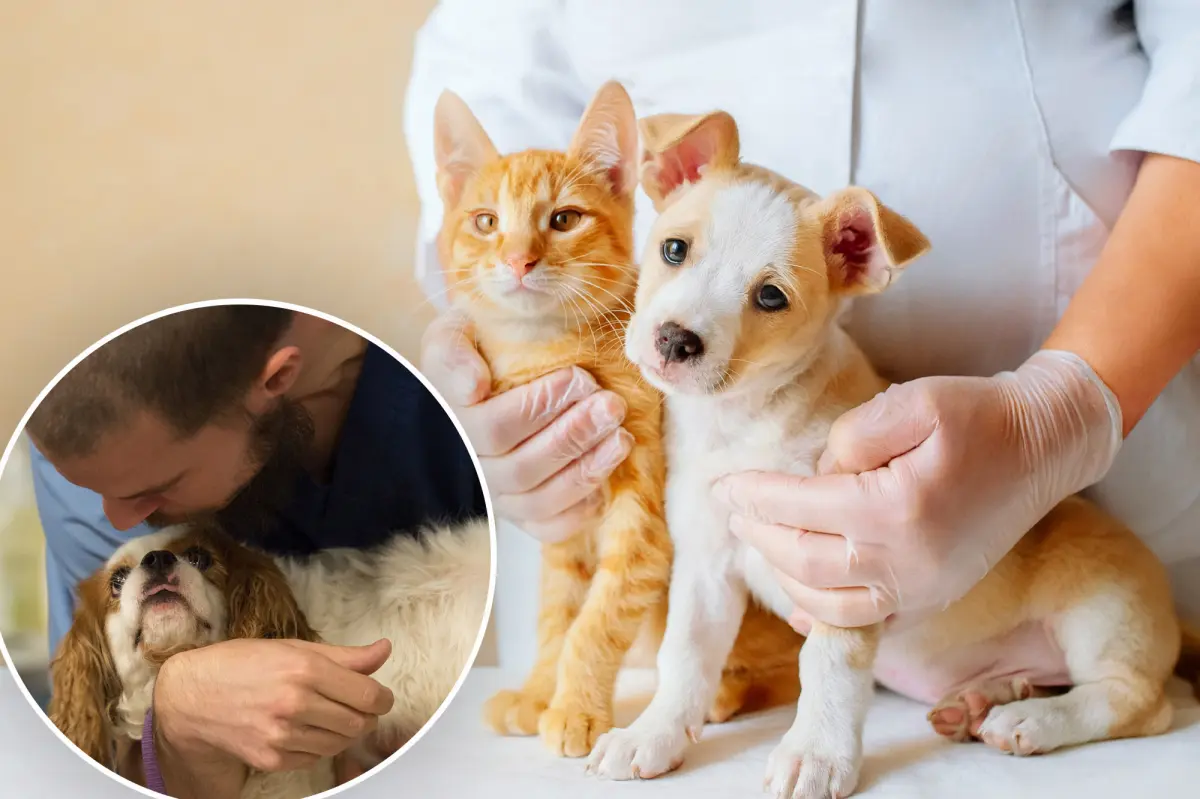
Circling back to healthcare, the devotion ramps up at the vet. About 38% proudly dub themselves “helicopter pet parents,” those overly attentive guardians who whisk their four-legged friends to the vet for more than just routine wellness checks. Think routine vaccines or annual exams become extras, like surprise trips for a suspected tummy rumble or a quirky behavior tweak. Excluding those basics, 43% of owners make at least two vet visits per year, and 11.2% even haul their pets in for “weird” symptoms annually—persistent head tilts that mimic goofy dances or hiccups that could be nothing but worry them nonetheless. It’s like parenting a child with invisible ailments, where every sneeze or twitch prompts a check. For pet parents like these, the vet is a second home, a place of reassurance amidst the unknowns of animal health.
Of course, not all visits stem from paranoia; some are downright necessary emergencies that underscore the perils of curious pets. Around one-third of respondents reported their furry darlings ingesting foreign objects like bones, socks, metal debris, yard trash, plastics, or even toys—prompting urgent vet dashes that could turn a peaceful afternoon into a high-stakes rescue mission. Meanwhile, 7.4% dealt with toxic feasts: chocolates that pups can’t resist, grapes acting as silent killers, raisins sneaking into paws, or xylitol hiding in human candies. And for 2.2%, it was pills or meds gone awry, leading to frantic calls and emergency rooms echoing with worried whines. These real-life dramas highlight how unpredictable pet life can be, turning everyday vigilance into heroic feats for owners who must balance love with constant precaution.
Yet, amidst the planned expenses and impulsive adventures to the vet, the bulk of spending stems from those unforeseen bills that hit like a plot twist. Over half the pet owners surveyed coughed up more than $500 annually in vet costs in 2025, with 67% grappling with surprise charges ranging from $500 to $3,000—think unexpected surgeries or diagnostic mysteries that drain wallets unexpectedly. For 15%, a $2,000 bill without warning would be financially crippling, forcing tough choices or sacrifice elsewhere. Another 38% would slap it on credit cards, layering debt onto devotion. Despite this financial fog, only 34% carry pet insurance, with the majority (65%) skipping it due to high costs that feel prohibitive for their budgets. But for those who do subscribe, 86% swear by its value, convinced it’s a worthy shield against the storm, providing peace of mind in a world where pets bring immeasurable joy—at a price.
In wrapping up this tale of pet parenthood, it’s clear that love for animals often outpaces practicality, blending joy with budgetary brinks. Pet parents like Sarah, Michael, and Lisa navigate a landscape of costs that reflect deep bonds, where every dollar spent is a testament to unconditional companionship. As they celebrate their pets’ quirks and health hurdles, the community learns to balance indulgence with savvy planning, ensuring that the pitter-patter of paws keeps going strong.