







Will Trent’s Evolution: Exploring New Character Dynamics and Potential Future Developments
In a candid interview with Us Weekly, Ramón Rodríguez addressed the burning question many fans of ABC’s “Will Trent” have been asking: Will Sara Linton, a beloved character from Karin Slaughter’s book series, make an appearance in the show? Rodríguez acknowledged the character’s popularity and revealed that it’s a topic frequently discussed among the show’s creative team. While not dismissing the possibility outright, he pointed out the challenges of introducing such a significant character into an already established ensemble. “Our world is pretty full already—we’ve got a lot of characters already and there’s a lot going on,” Rodríguez explained. Nevertheless, he recognized the fans’ desire to see Sara brought to life, particularly suggesting that Rachel McAdams would be “really fun” in the role, showing his awareness of what would please the book series’ devoted followers.
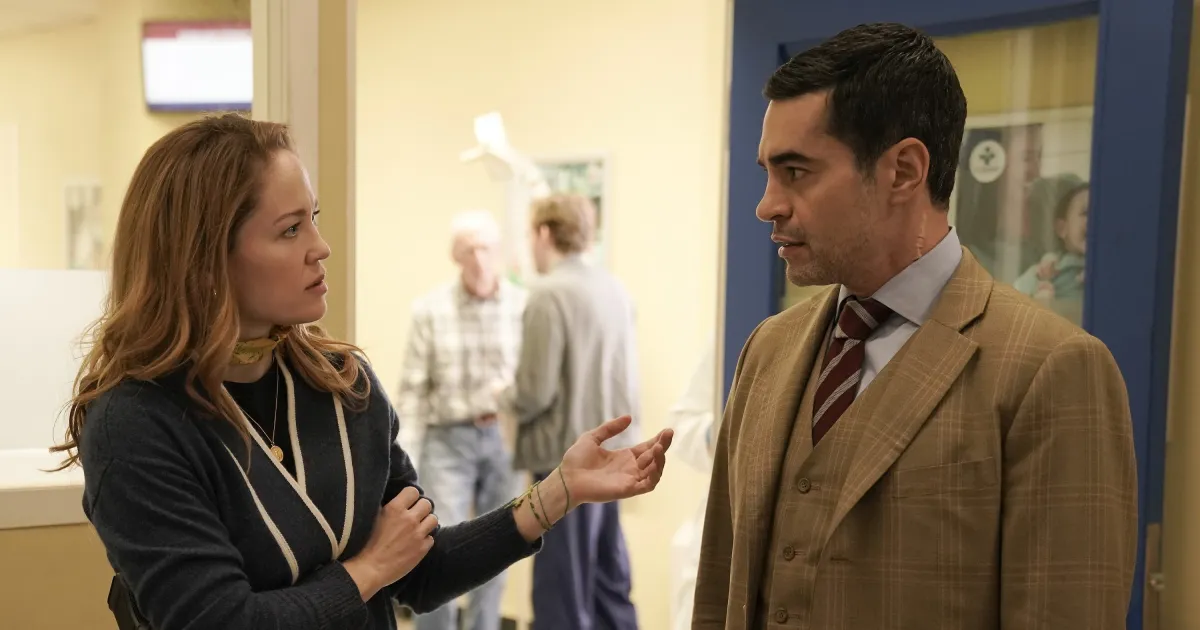
“Will Trent,” based on Slaughter’s popular book franchise, centers on a special agent with the Georgia Bureau of Investigation who overcame a difficult childhood in Atlanta’s foster care system. Will’s unique perspective, shaped by his challenging upbringing, gives him an exceptional ability to solve cases, resulting in the highest clearance rate at the GBI. The show has developed its own narrative path while maintaining the essence of the character that readers came to love in Slaughter’s novels. The television adaptation has explored Will’s complicated relationship with Angie (portrayed by Erika Christensen), which has now ended definitively, and briefly touched on a potential romance with Marion (Gina Rodriguez) that didn’t progress because Will wasn’t emotionally ready. This diverges somewhat from the books, where Will’s major love interest becomes Sara Linton, a pediatrician and medical examiner, with whom he eventually marries in “This Is Why We Lied.”
Season 4, which recently premiered, presents viewers with a new dimension of Will’s character as he begins to confront his deep-seated rage. This emotional exploration represents significant character development, as Rodríguez explained: “For someone who has such a loaded past in history, for the first time he is really getting into therapy. Then a lot of stuff starts coming up for him.” The actor noted that the creative team was particularly interested in depicting someone who is “unraveling and peeling back the hood on themselves to see what’s in there.” Drawing from his personal experience, Rodríguez reflected on the complex nature of therapy, how it can trigger unexpected reactions, and bring both positive and complicated feelings to the surface. This authentic approach to portraying mental health struggles adds depth to Will’s character and resonates with audiences who have experienced similar journeys.
Will’s therapeutic journey represents a significant shift for a character who has primarily relied on work as a coping mechanism. “For someone like Will who hasn’t really taken much time to do that—considering how much he’s been through—he just always moves forward and focuses on his job,” Rodríguez observed. This change is facilitated by an unconventional therapist whose unusual methods might be precisely what someone with Will’s background needs. The therapeutic relationship serves as a catalyst for Will’s growth, allowing him to process traumas that have shaped him but remained unaddressed. The approach to therapy in the show reflects the creative team’s commitment to giving familiar tropes a fresh perspective, what Rodríguez referred to as the “Will Trent spin” they try to incorporate into all aspects of the series.
The evolution of Will’s character through therapy represents the show’s commitment to authentic character development. Rather than presenting therapy as a quick fix or a predictable plot device, “Will Trent” seems poised to explore the messy, complicated process of healing and self-discovery. As Rodríguez explained, “I love that we took what we’ve seen a million times before in movies and shows—which is therapy—and we said, ‘How can we make this really different?'” This approach not only differentiates the series from other procedural dramas but also provides a more realistic portrayal of mental health journeys. Will’s therapeutic process promises to reveal new layers to a character that audiences have grown to care about, potentially setting the stage for significant personal growth and perhaps even creating the emotional space necessary for new relationships.
As “Will Trent” continues to air on ABC Tuesdays at 8 p.m. ET (with episodes available for streaming the next day on Hulu), fans can look forward to witnessing Will’s emotional journey unfold alongside his professional cases. The series has established itself as more than just another crime procedural by investing in meaningful character development and not shying away from difficult emotional terrain. Whether Sara Linton eventually makes her way into Will’s life on screen remains to be seen, but Rodríguez’s comments suggest that the creative team is thoughtfully considering how best to honor both the source material and the television adaptation they’ve created. For now, viewers can appreciate Will’s personal growth through therapy, which may ultimately prepare him for the kind of meaningful relationship that book fans know is possible for the character, whether with Sara or someone introduced in the show’s unique narrative universe.