




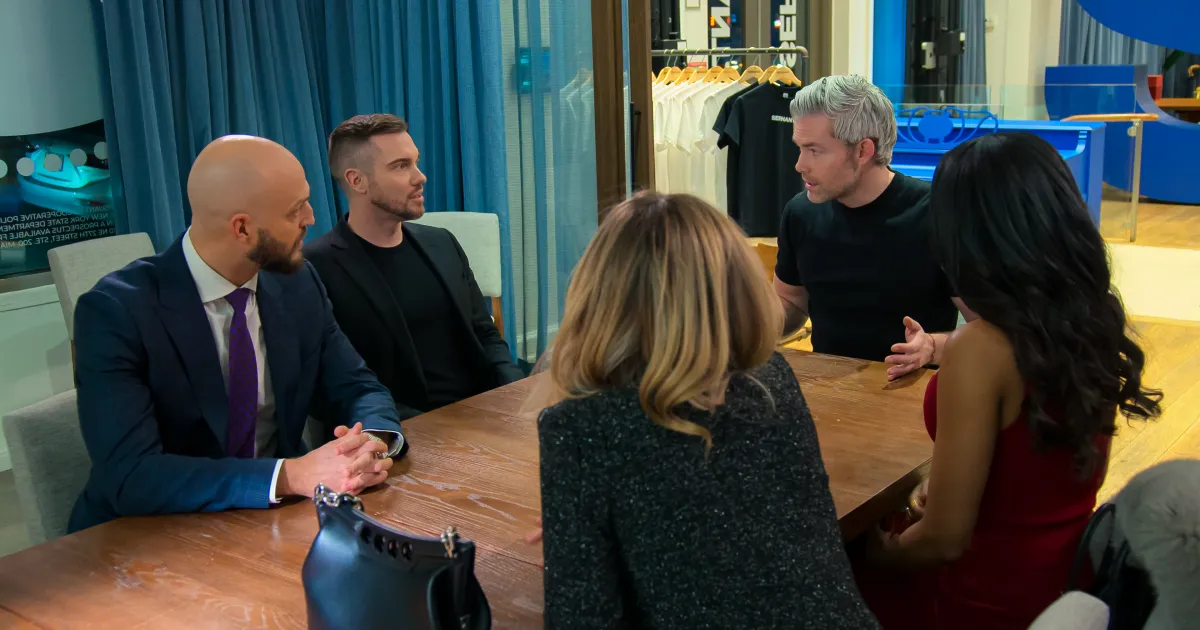
Ryan Serhant: Keeping It Real in “Owning Manhattan”
In a refreshing twist on reality TV, Ryan Serhant, the 41-year-old real estate mogul and star of Netflix’s “Owning Manhattan,” has made it clear that authenticity is his priority. During an exclusive interview with Us Weekly, Serhant candidly admitted that he had “literally zero interest” in manufacturing success for his show. “Everything is real because everything else is big and everyone has a facade, everyone lies. Nothing is real, I believe nothing,” he quipped, emphasizing his commitment to authenticity in a world of fabricated reality television. This dedication to honesty sets “Owning Manhattan” apart from other shows in the genre, as Serhant was prepared to film regardless of the outcome—even if it meant documenting failure. “I was totally fine going into filming if we do no deals. Even if all the deals died or fell apart and the company had to file for bankruptcy,” he joked, acknowledging that while such a scenario would be “terrible for my real life,” it would represent genuine reality, something he finds “refreshing” and unique in television.
Serhant’s journey in reality television began long before Netflix came calling. From 2012 to 2021, he was a fixture on Bravo’s “Million Dollar Listing: New York,” and later starred in spinoffs including “Sell It Like Serhant” and “Ryan’s Renovation.” This extensive experience in the reality TV landscape gave him valuable insights into how to make “Owning Manhattan” distinctive. Unlike his previous shows, Serhant envisioned this Netflix venture as a deal-focused program that would appeal to fans of shows like “Shark Tank,” “Succession,” and “Gossip Girl.” He explained to Us Weekly that “Owning Manhattan is not about the drama. It’s about the deals,” though he acknowledged that the show naturally explores “what happens because of the deals—and they’re real deals.” This focus on actual business transactions rather than manufactured conflict represents Serhant’s vision for creating compelling content that still maintains integrity.
One of the most innovative aspects of “Owning Manhattan” is its verifiability. Serhant encourages viewers to fact-check the deals shown on screen by following along on social media, checking the MLS (Multiple Listing Service), and reading press coverage. “One of the fun things about Owning Manhattan is people can watch the show and then follow along… They can see if a deal is really closed,” he explained. This transparency is unprecedented in reality television, particularly in the real estate genre, where viewers often wonder how much of what they’re seeing is genuine. By inviting this level of scrutiny, Serhant not only demonstrates confidence in his business acumen but also reinforces the show’s commitment to authenticity—a quality he clearly values highly in an industry often criticized for prioritizing spectacle over substance.
As both star and executive producer of “Owning Manhattan,” Serhant had the opportunity to push creative boundaries and experiment with the show’s format. He incorporated elements rarely seen in reality programming, such as talking directly to the camera, using voiceovers, and filming extended one-take sequences. The production also utilizes dynamic filming techniques, including following shots of Serhant from behind as he navigates situations and dramatic drone footage capturing New York City’s iconic skyline. These stylistic choices were intentional signals to the audience that “this is not something you’ve seen before and this is worth watching,” as Serhant put it. He credits Netflix for “allowing us to play and allowing me to really, really push the envelope on format,” suggesting that the streaming platform’s willingness to take risks was instrumental in bringing his vision to life.
The creation of “Owning Manhattan” represents a significant evolution in Serhant’s career trajectory. As the CEO of SERHANT, his own real estate brokerage, the show offers him a platform to showcase not just properties but his entire business philosophy and leadership style. Unlike many reality stars who play heightened versions of themselves, Serhant appears committed to presenting an authentic picture of his professional life—complete with the inherent risks and potential failures that entails. This approach aligns with changing viewer preferences, as audiences increasingly value genuine content over obvious artifice. By positioning “Owning Manhattan” as a show that could have documented his business’s bankruptcy rather than just its successes, Serhant demonstrates a vulnerability and honesty rarely seen in entrepreneurial-focused programming.
Now streaming on Netflix, “Owning Manhattan” represents a bold experiment in reality television—one that attempts to balance entertainment value with documentary-like authenticity. While the show certainly benefits from Serhant’s charismatic presence and New York’s photogenic luxury properties, its most distinctive quality may be its commitment to showing real estate dealings as they actually happen, rather than as television producers might wish them to be. In an era where reality TV is often synonymous with careful editing and manufactured drama, Serhant’s insistence on portraying his business as it truly exists—successful deals, failed negotiations, and everything in between—offers viewers a refreshingly honest window into the high-stakes world of Manhattan real estate. Whether this approach will resonate with audiences remains to be seen, but it certainly establishes “Owning Manhattan” as something different in the crowded landscape of reality television.