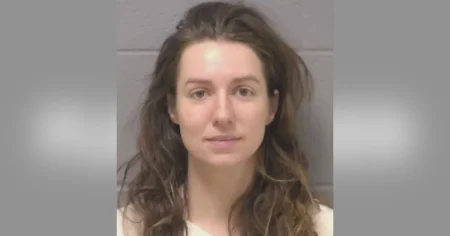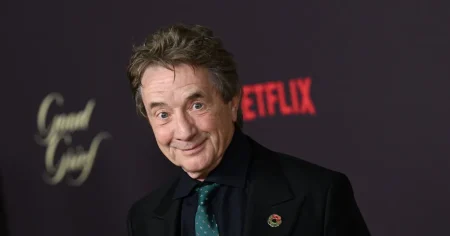






Brooke Nevils still feels the weight of that Frosty morning in 2014, when everything changed under the guise of a job assignment. She was covering the Winter Olympics in Sochi, Russia, as a producer for NBC’s Today Show, and there was Matt Lauer, the charming host everyone adored. He seemed like a colleague, a mentor even, someone she could trust in the high-stakes world of live reporting. But deep down, in the quiet spaces between takes, a line was crossed that no one else saw. What happened wasn’t some stranger lurking in the shadows; it was someone familiar, someone powerful, who used his position to manipulate a moment that left her feeling violated and alone. Recalling it now, Brooke doesn’t shy away from the word “rape,” even though it carries such heavy connotations. Most people picture a masked assailant in a dark alley, a desperate fight for survival, but that’s not how these things unfold in real life. More often, it’s someone you know, maybe even admire, who betrays that trust in ways that leave you questioning everything—not just the act, but your own complicity in how you got there. At the time, back in 2017, when the #MeToo movement exploded, the language to articulate such betrayals barely existed. Society painted sexual assault in stark, sensational terms, but the nuances of what Brooke experienced— the power imbalances, the subtle coercions—weren’t part of the conversation. She suddenly found herself at the center of a storm, accusing a media giant, and even in her shock, she understood that speaking up would shatter the illusion of the perfect TV family.
Fast-forward to 2019, and Brooke’s account became a chapter in Ronan Farrow’s book, “Catch and Kill,” a broader exposé of how predators get protected in the industry. She wasn’t just a footnote; her allegations helped fuel the reckoning against Lauer, leading to his firing from NBC. In the book, her story joined others, showing how silence enables abuse. But for Brooke, processing it all was an arduous journey. It’s not like flipping a switch; you don’t just wake up one day and call it assault. It took years of reflection, of sitting with the shame and confusion, before she could even name it. Every retelling felt like reassembling shards of a broken mirror—fragments where consent seemed murky because of the dynamics at play. Lauer denied it all in his open letter, calling their encounters “completely mutual,” but Brooke knew the truth, though proving it in a world that doubts survivors is another battle. Imagine the toll: the interviews, the public scrutiny, each question reopening the wound. She took a leave from NBC that turned permanent, her career as she knew it dissolving, all while society judged every detail she shared or withheld. In that post-#MeToo dawn, survivor stories like hers revealed the cracks in the facade of celebrity and power, but the personal cost was immense, turning private pain into a public trial.
Yet, through it all, Brooke insisted that she had no choice but to speak. She assumed her voice would be the sacrifice, that the fallout would only ripple her way. After all, Matt Lauer was the face of NBC’s Today Show, a morning ritual for millions, including her. It was her job, her world—she’d built her identity around those bright lights and breaking news. Breaking the “code” of silence in such a tight-knit industry felt like heresy, but she weighed the alternatives. Staying quiet meant enabling it, potentially letting someone else endure what she did. The fear of retribution was real; careers had ended for less, and in Hollywood’s unspoken rules, loyalty trumped truth. But Brooke accepted that domino. It wasn’t heroism she saw in herself; it was survival. “Whatever the consequences,” she thought, “I can’t live knowing I let this continue.” That resolve kept her going amid the isolation, the whispers, the way friends distanced themselves not out of malice, but fear of association. In sharing her story, she humanized the cost of courage, reminding others that sometimes bravery means forfeiting everything you’ve built, just to reclaim your dignity.
Beside the memoir “Unspeakable Things: Silence, Shame, and Stories We Choose to Believe,” Brooke dives deeper into why articulation matters. Writing it was her way of navigating the messiness, not to simplify her ordeal into a tidy narrative, but to show its raw complexity. Life isn’t black and white; these things sneak up swiftly, in rooms you thought were safe, with people you trusted. She describes the disorientation—the adrenaline, the split-second decisions, the post-act numbness that blurs judgment. By acknowledging these gray areas, her memoir challenges the trope of the “perfect victim,” where everything aligns neatly for sympathy. Brooke reflects on her own internal turmoil: how did she end up in that hotel room in Sochi? Was it ambition blinding her? Power dynamics pulling strings? She didn’t mince words about the shame that lingers, or how survivors second-guess every “why” and “how” while society demands certainty. Through her prose, she invites readers to confront the uncomfortable reality that evil often wears friendly faces, and healing involves unraveling those knots without pretending they’re simple. Each page feels like a conversation, urging empathy over easy outrage, and perhaps most poignantly, validating the survivor’s right to their own timeline for comprehension.
Emotionally, the act of recounting has been transformative yet exhausting for Brooke. Early on, she hesitated to use words like “rape” because they conjure drama, not nuance. But over time, with therapy and support, she reclaimed them as tools for truth-telling. It’s not about shock value; it’s about educating without euphemisms. She talks openly about the ripple effects—the anxiety attacks, the fractured relationships, how trust with colleagues evaporated overnight. Yet, amid the devastation, there’s empowerment. Participated in interviews and panels, Brooke has become an unintentional advocate, her vulnerability sparking change in how workplaces handle reports of assault. She warns aspiring journalists: the industry glories achievements but buries stains quietly. But change is slow; #MeToo lit a fire, but sustaining it requires ongoing voices like hers. For anyone reeling from similar experiences, her message is clear: your story deserves space, complex as it is. No judgment, no rush—just the assurance that healing begins with acknowledging the gray.
In the end, Brooke Nevils’ journey underscores a broader truth about sexual assault: it’s rarely the reel horror flick, but a quiet erosion of autonomy by someone close. By humanizing her narrative through memoir and interviews, she’s bridged the gap between personal agony and collective awakening. Survivors often carry an invisible burden, branded by doubt and stigma, but Brooke’s path offers hope that voices can amplify healing. If you’ve faced something similar, resources like the National Sexual Assault Hotline (1-800-656-HOPE) stand ready with confidential support, connecting you to local aid for recovery. Brooke’s evolution from victim to author shows that unspeakable things, spoken authentically, can drive progress, one imperfect confession at a time. Her legacy reminds us that courage sometimes means embracing the mess, not erasing it.