





Grey’s Anatomy has always been a rollercoaster of emotions, blending the high-stakes world of surgery with the messy intricacies of personal lives. Since its debut back in 2005, this long-running medical drama has captivated audiences by following a group of dedicated interns, residents, and attendings at the fictional Seattle Grace Hospital—later rebranded as Seattle Grace Mercy West and eventually Grey Sloan Memorial. The show thrives on those unpredictable twists, where relationships spark, break, and sometimes end in heartbreaking ways. It’s not uncommon for characters to face sudden deaths or departures, mirroring the unpredictable nature of real-life hospitals. Fans have grown accustomed to those “will they or won’t they” moments, but lately, the series has seen an unprecedented wave of cast exits that feels more turbulent than ever. Behind the scenes, budgets are tightening, and the industry’s cost-cutting measures are reshaping how these stories unfold. Imagine stepping into the shoes of Meredith Grey or Cristina Yang—characters who’ve evolved over two decades, grappling with love, loss, and life-altering choices. The show’s DNA is built on these raw, human elements: the joy of saving a life one minute, only to face a devastating loss the next. Yet, as the years roll on, viewers can’t help but wonder if the drama is ramping up not just for storytelling, but for structural reasons. Scripted TV is feeling the pinch, with more shows trimming back to make ends meet. It’s a reminder that even in a world of fictional bandages and scalpels, the business of entertainment is always changing, much like the flchay-vered heartbeats of the patients on screen. This humanizes the experience— we’re not just watching TV; we’re feeling the pulse of an industry where every exit story carries weight, echoing the real-world uncertainties many face in careers demanding constant adaptation.
In the broader landscape of television, cost-cutting has become a harsh reality that’s hitting franchises like a unforeseen complication during surgery. Shows across networks are renegotiating contracts and reducing screen time for their lead actors to stay financially viable. Take NBC’s Law & Order and One Chicago series, which have become notorious for shuffling casts around, bidding farewell to beloved characters in dramatic exits. Over at CBS, programs like Fire Country and the sprawling FBI universe are also dealing with slashed minimum guarantees, forcing actors to question their roles amid on-screen and off-screen departures. It’s a trend that’s spreading like wildfire, affecting not just the stars but the very fabric of these shows. For Grey’s Anatomy, this backdrop adds layers to why Season 22 feels particularly volatile. The series, known for its ensemble cast that’s practically a family, has seen veterans tapped out for budgetary reasons, leading to emotional farewells that hit fans hard. Think about it: these aren’t just actors signing off; they’re leaving behind years of shared histories, inside jokes from set, and that camaraderie that makes long shoots bearable. In a world where streaming wars and economic pressures densify the air, these changes humanize the storytelling process. It reminds us that behind the glitz of Hollywood, real people are navigating uncertainty, much like the doctors on Grey’s who must adapt to sudden crises. The show mirrors this fragility—casts are like a surgical team; one member’s absence can throw everything off balance. Fans empathize because it’s relatable: in any job, from a hospital to an office, external forces can dictate who stays and who goes, turning familiar faces into fond memories and stirring a mix of nostalgia and sadness.
Season 22 of Grey’s Anatomy marks a pivotal chapter, with significant shifts that trace back to industry-wide adjustments. As reported in fall 2025, the series slashed the minimum episode guarantees for its seasoned cast members from a solid 18 per season down to just 14. This means some of the show’s stalwarts, who’ve been the backbone of the narrative, are now MIA for those four episodes, creating gaps that the story arcs have to bridge creatively. Caterina Scorsone, famed for portraying Amelia Shepherd, took it a step further, departing for an astounding eight episodes, leaving a gaping hole where her character’s wit and depth once filled the screen. It’s a tough pill to swallow for loyal viewers who’ve invested years in these personnages, but it also humanizes the process by highlighting the pragmatic side of storytelling. Behind the curtain, producers juggle numbers while striving to maintain the show’s emotional core, ensuring that even with fewer scenes, the impact resonates. This reduction isn’t arbitrary; it’s a survival mechanism in an era where non-scripted content and lower-budget productions vie for attention. Picture the cast reflecting on this—actors who’ve poured their souls into roles for over a decade, now adjusting their expectations. Folks tune in week after week for the catharsis, and these changes underscore a universal truth: entertainment must evolve, just as people do, shedding old skins for fresh starts. The drama becomes a mirror to our own lives, where priorities shift, and absences force us to rediscover connections, making Grey’s not just a soap opera, but a poignant commentary on resilience.
Showrunner Meg Marinis brings a thoughtful lens to these transformations, emphasizing how the show’s explosive narrative arcs pave the way for upheaval. After a bone-rattling hospital explosion at the end of Season 21, she teased that no character was truly safe, leaving viewers on the edge of their seats. “Well, I feel like a lot of people are probably sitting in operating rooms,” she mused to The Hollywood Reporter in May 2025, painting a picture of uncertainty that mirrors real surgical theaters where chaos reigns. Unless audiences witnessed each character’s exact location during the blast, doors are open for major shakeups. Marinis candidly discussed her conversations with the cast, noting that they’ve embraced the unknowns as part of the Grey’s ethos—those thrilling cliffhangers that keep stories alive and audiences guessing. “They’re here for it. They like to keep our stories exciting and fresh,” she explained, revealing a collaborative spirit that elevates the series. This behind-the-scenes peek humanizes the creative process; it’s not cold strategizing but a passionate exchange of ideas, where arguments brew over beloved characters’ fates. Writers aim to evoke real heartache, knowing that genuine upset is the hallmark of a good tale. Marinis herself admits to wavering, with decisions not yet set in stone, inviting twists that could rewrite narratives. It’s endearing to see such vulnerability in leadership, reminding fans that the show pulses with humanity—from the showrunner’s deliberations to the actors’ willingness to ride the waves. In essence, Grey’s Anatomy thrives on this edginess, making every episode a testament to life’s unpredictability, where change isn’t just inevitable but essential for growth.
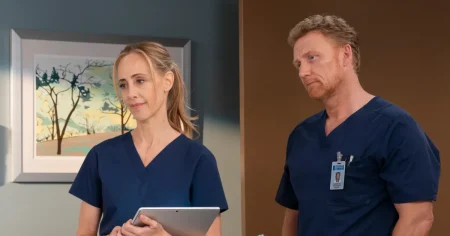
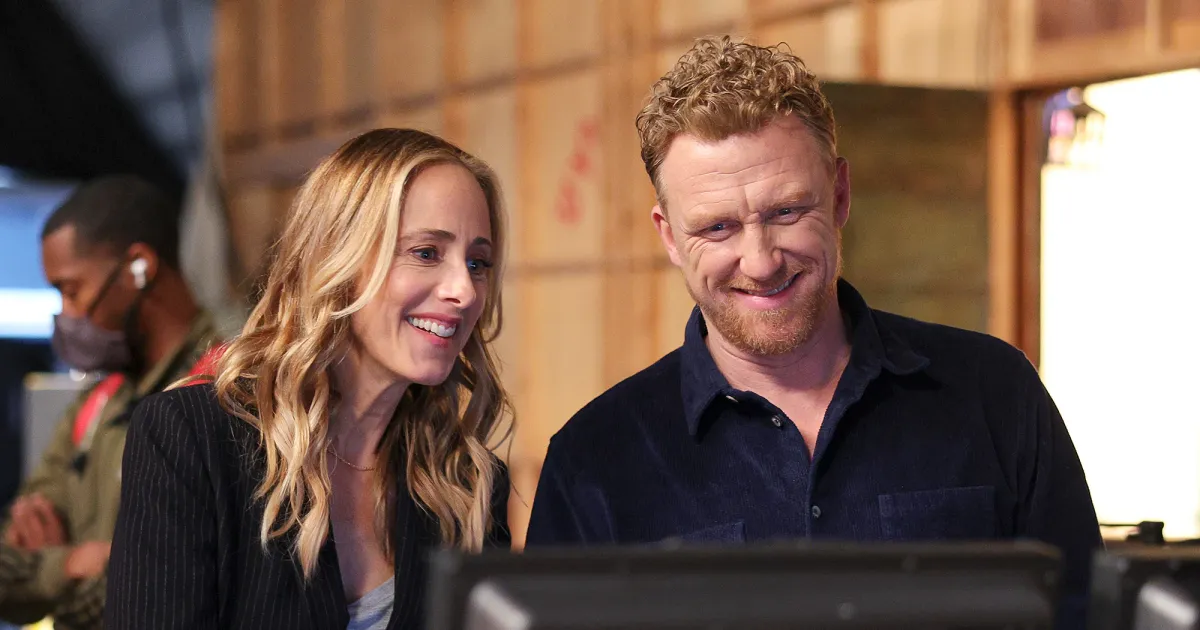
The fallout in Season 22 materialized vividly with specific departures that underscored the show’s turbulent trajectory. Monica Beltran, portrayed effortlessly by Natalie Morales, met a tragic end in the season premiere, her character’s light extinguished in a blink, leaving echoes of her resilience haunting the halls of Grey Sloan. Months later, the news of Kevin McKidd and Kim Raver’s exits rippled through fan communities, signaling the end of an era for their long-standing roles. Raver, who embodied the formidable Teddy Altman since Season 6, reflected on the emotional toll and the beauty of embracing uncertainty. In an exclusive chat with Us Weekly ahead of her departure, she adopted a philosophical stance: “That’s the life of an actor”—a simple, poignant phrase that encapsulates the nomadic existence of performers. She stressed focusing on the present, delving into the rich storylines the writers crafted, from relentless cliffhangers that keep viewers hooked. Raver’s words humanize the experience, transforming what could be seen as a cutthroat industry into a personal journey of presence and passion. Fans connect deeply here, witnessing if not the actors themselves, then the authenticity they infuse into farewells. Each exit is a narrative beat, charging the air with sadness yet infused with the thrill of new beginnings. It’s reminiscent of hospital vigils, where goodbyes are tender and transformative, reminding us that even in scripted dramas, the emotional scars are real for those involved.
Ultimately, Grey’s Anatomy’s evolution through these cast shifts reveals a show that’s as alive as its characters, adapting to external pressures while preserving its soul-stirring essence. What began as a mere medical procedural has morphed into a cultural phenomenon, where exits aren’t just plot devices but reflections of broader industry woes and human adaptability. As the series navigates lowered guarantees and heartfelt separations, it invites audiences to ponder life’s fleeting moments—the hospital incidents paralleling real-world volatilities. Marinis’s uncertainties, Raver’s acceptance, and the cast’s camaraderie paint a vivid picture of collaboration amidst change. Fans, in turn, find solace in the continuity of core themes: healing, whether physical or emotional, persists through upheaval. This humanizes the narrative, making Grey’s not just television, but a shared heartbeat of resilience, urging viewers to cherish the present while anticipating the next twist. In an age of streaming uncertainties, the show stands as a beacon, proving that even when roles shift and guarantees fade, the magic of storytelling endures, leaving us yearning for more. Through it all, the allure lies in that emotional gamble—much like life itself, where every exit opens the door to renewal.