

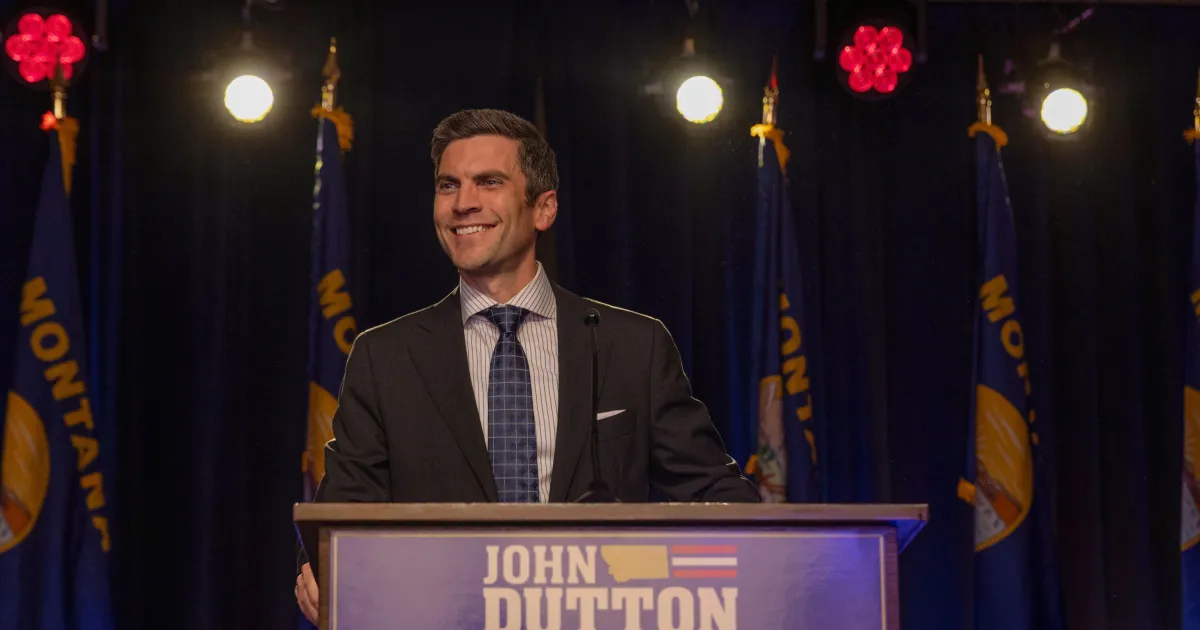
The epic saga of Yellowstone came to a brutal and unforgettable close in its series finale back in December 2024, leaving fans reeling from betrayals, bloodshed, and the shattering of the Dutton dynasty. As the dust settles on the original series that hooked millions, the newest spin-off, Marshals, steps into the spotlight on CBS, shifting gears toward law enforcement drama. While it nods to familiar faces from the Dutton clan, the emotional void left by Jamie Dutton, portrayed by Wes Bentley, looms large over the legacy of the show. Introduced as John Dutton’s adopted son in 2018, Jamie’s character was a tangled web of ambition, resentment, and family dysfunction—adopted into a world of cattle barons and relentless conflicts, he struggled to find his place amid the fierce loyalties of the Dutton family ranch. His relationship with patriarch John was fraught, marked by deep-seated grudges that boiled over in ways no one could have predicted, and his ultimate downfall encapsulates the show’s raw exploration of power, loyalty, and the darkness that can lurk within blood ties. If you’ve been following the Duttons, you know Jamie wasn’t just a side player; he was the tragic figure whose desperate grabs for power ignited the family’s implosion, making his absence in Marshals feel like a ghost that could haunt Kayce’s new path as a marshal.
Jaime’s story arc reached its horrifying crescendo in the finale, where his actions directly led to John Dutton’s death—an act of betrayal that painted him as the ultimate villain in Beth Dutton’s eyes. As the funeral wrapped and the graveside rituals faded, Beth, played with ferocious intensity by Kelly Reilly, enacted a chilling revenge that blurred the lines between justice and vengeance. She ambushed Jamie at his home, armed with bear spray, leading to a savage, no-holds-barred fight that had viewers glued to their screens. The assault was brutal: pepper spray burning eyes, fists flying, bodies crashing—culminating in Beth getting the upper hand to deliver the devastating news that she’d sold the Dutton Ranch to the reservation for a paltry $1.1 million. But the violence didn’t stop there; as Beth struggled, her husband Rip Wheeler sped in to intervene, pulling Jamie off only for Beth to turn lethal. In one gut-wrenching moment, she stabbed her brother to death, extinguishing the life of the man who’d fractured their family. Rip, forever the loyal enforcer, then hauled Jamie’s body to the train station, ensuring the evidence vanished into the night. It was a scene built on years of simmering hatred, reminding us that in the cowboy-torn world of Yellowstone, family blood can run as hot as rival gunfire. If you’ve ever felt the sting of familial betrayal, Jamie’s end hits like a sledgehammer—it’s not just plot; it’s a gut-punch reflection of how unresolved wounds can erupt into irreversible chaos.
What made Jamie’s demise so visceral wasn’t just the script—it was the sheer physical and emotional bravery poured into bringing that fight sequence to life. Executive producer Christina Alexandra Voros opened the curtain a bit on the grueling process, admitting it relied on a mix of real grit and smart safeguards to protect the stars. Doubles were brought in—veterans who’d shadowed Kelly Reilly and Wes Bentley since the show’s early days, mimicking every nuance of their movements to ensure seamless cuts. “They’ve learned the way the actors move and have been studying that so you do have that element for places where you want to pull the pad out and someone has to hit the ground,” Voros shared with Variety, highlighting the necessity: with Reilly having just 12 days left of shooting, safety was paramount to avoid real injuries that could sideline her. But the real star was the intense authenticity—the fight blended raw action with psychological depth, where every swing and spray carried the weight of Beth’s rage and Jamie’s desperation. It’s the kind of behind-the-scenes detail that turns a dramatic scene into something legendary, showing how productions like this invest in realism while prizing the actors’ well-being. Imagine the bruises athletes endure in a championship bout; this was emotional warfare on screen, crafted to remind us that true conflict isn’t glamorous—it’s exhausting and real.
Even more remarkable was Voros’ glowing tribute to Reilly and Bentley, who pushed through the ordeal with unwavering commitment. “Even if they are not taking a punch or throwing one, the energy it takes to keep in that space emotionally is exhausting,” she noted, explaining how sustaining that ferocious mindset drained the two 47-year-old, 48-year-old performers. “Staying in that headspace” of primal intensity required tapping into reserves that left them spent, turning the fight into a marathon of vulnerability laid bare. Forget the props like milk (maybe simulating blood?) or bear spray—it was the internal grind that elevated the moment. “My kudos to Kelly and Wes for being able to keep in that extreme state of war emotionally throughout that scene,” Voros enthused, underscoring how their dedication transformed fiction into something palpably human. It’s a testament to the actors’ craft; if you’ve ever poured your heart into a confrontation, personal or professional, you know that emotional toll—it’s why scenes like this linger in our minds. Yellowstone didn’t just end with a bang; it did so with performances that bled authenticity, reminding viewers that great storytelling demands everything from those who bring it to life.
Jaime’s shocking exit wasn’t the only casualty that left viewers heartsick; the franchise has a knack for jolting us with fatalities that reshape its world. Fast-forward to the Marshals spin-off, and another blow lands—Kayce Dutton’s wife, Monica Long (brilliantly portrayed by Kelsey Asbille), is confirmed dead, a pivot that throws Kayce’s storyline into turmoil. In Yellowstone’s cliffhanger ending, Kayce rode off into the sunset, seemingly chasing a peaceful frontier life away from the ranch’s shadow. But death and drama wait for no one, and Monica’s untimely passing sets the stage for Kayce’s reluctant return to authority as a marshal. It’s a narrative choice that mirrors the show’s DNA: tranquil resolutions are fleeting illusions, shattered by reality’s harsh interruptions. For fans invested in Kayce’s arc—from his internal battles with ancestral roots to his quiet pursuit of harmony—this loss injects fresh agony, proving that even in the spin-off’s lawman’s world, grief and duty are inseparable. If Jamie’s end was a loud gunshot, Monica’s is a silent echo, underscoring how Yellowstone thrives on emotional lacerations that keep us hooked.
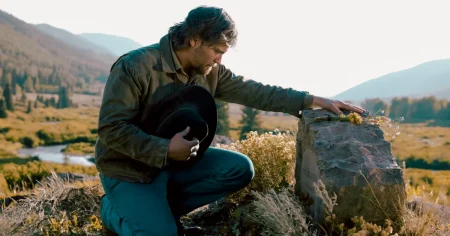
Luke Grimes, who embodies Kayce with haunting depth, spilled the beans on why they’d rattle his character’s newfound serenity, telling Entertainment Weekly that perpetual bliss doesn’t fuel compelling drama. “Obviously, we can’t just watch this guy have his dream life. There’s no drama,” the 42-year-old actor mused post the March 1 premiere. He reflected on Kayce’s symbolic farewell to his badge in the original show, tossed defiantly into a field, and questioned if he’d ever reclaim it. Enter Monica’s death as the catalyst—a tragic wrench that drags him back into chaos, badge and all. Grimes defended the bold shake-up, acknowledging it as necessary for tension: “Something’s gonna have to happen that gets in the way of him having that. Otherwise, why is he gonna take a badge? The last time we saw him, he was throwing a badge in a field. Is he gonna go pick it up?” It’s a clever nod to storytelling balance; without conflict, heroes stagnate. For native fans, this evolves Kayce from conflicted son to broken protector, humanizing his journey in Marshals, which airs Sundays at 8 p.m. ET What lies ahead feels charged with possibility, yet tinged with sorrow—much like the Dutton legacy itself, where every sunrise promises battle as much as beauty. If you’ve journeyed through Yellowstone, Marshals invites you to saddle up once more, ready for the heartache and heroism that’s sure to unfold.