

The Traitors Reality Show Addresses Cyberbullying of Cast Members
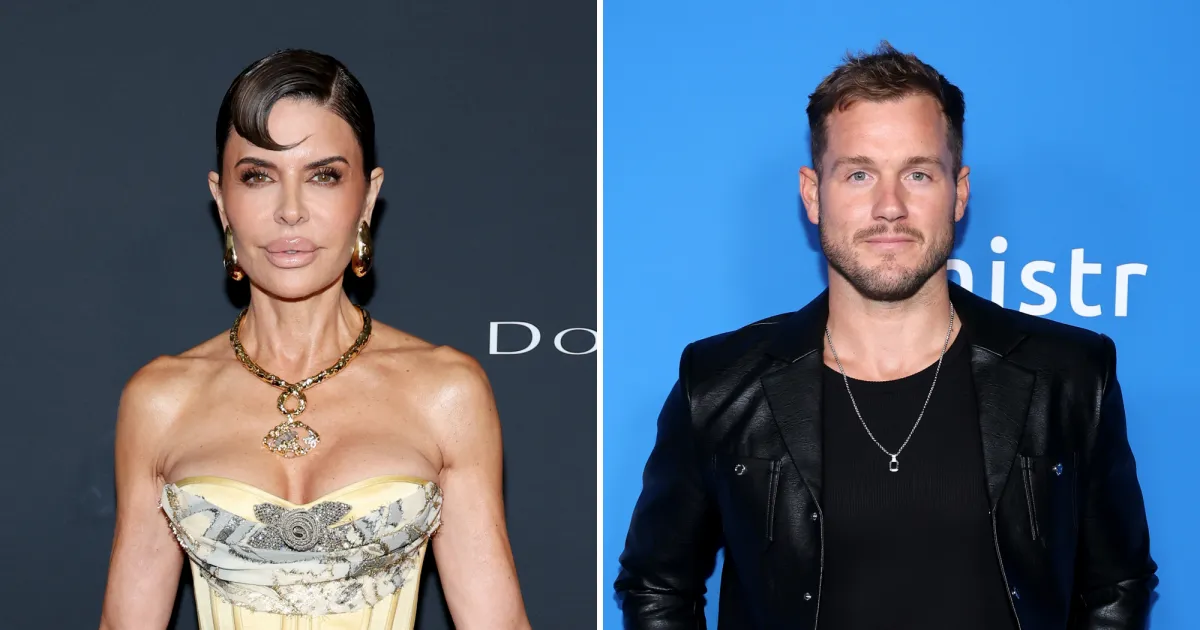
In a heartfelt appeal to viewers, hit reality competition show “The Traitors” has issued a public statement urging fans to stop harassing cast members, particularly after a controversial comment made by contestant Lisa Rinna about fellow competitor Colton Underwood. The show’s producers expressed deep concern about the online vitriol directed at contestants, emphasizing that while the show thrives on tension and drama, the line between entertainment and harmful personal attacks must be respected. “We are committed to making our casts feel safe, respected, and supported – on screen and off,” the statement shared on social media read. The producers went on to distinguish between healthy fan discussion and cyberbullying, noting that “what happens in the game should never lead to cyberbullying or harassment” and pleading with viewers not to “ruin the passion for this show with unwarranted negativity and personal attacks.”
The show’s statement came in direct response to escalating tensions both on-screen and online, triggered when 62-year-old Rinna made a pointed reference to Underwood’s past by writing, “Let’s talk about you being a stalker…” This comment alluded to Underwood’s previous relationship with Cassie Randolph, which had been a subject of public controversy. The remark inflamed an already tense dynamic between the two contestants, who have been at odds throughout season 4. Their conflict has been a central storyline, with Underwood previously attempting to get Rinna voted off the show and questioning her unusually subdued behavior compared to her typically more animated television persona. This ongoing rivalry has captivated viewers but unfortunately spilled beyond entertainment into potentially harmful territory.
Recognizing the situation had spiraled beyond the boundaries of the game, Rinna took to Instagram with a series of video messages attempting to clarify her intentions and defuse the hostility directed at Underwood. In her first video, she explained she had been responding “in my Housewife mode,” referencing her well-known provocative persona from “The Real Housewives of Beverly Hills.” Rinna emphasized that despite their on-screen rivalry, she and Underwood maintain a positive relationship off-camera: “Colton and I are great. He was a great and is a great nemesis for me on the show in the game.” She further revealed they had been in communication via text messages, suggesting their televised conflict was primarily for entertainment purposes rather than reflecting genuine animosity.
In a subsequent video, Rinna expressed remorse about the backlash Underwood was experiencing, stating, “The fact that the backlash is happening, I feel horrible about because I don’t want to hurt anybody.” Her appeal took on a more urgent tone as she mentioned that some fans had apparently escalated to sending death threats, pleading, “Please guys be gentle. It’s a game. It’s a TV show. We’re all doing the best we can. Don’t send death threats or do anything to jeopardize somebody’s family.” This heartfelt request underscores a troubling reality facing reality TV participants, who often find themselves subjected to extreme forms of online harassment based on edited portrayals of conflicts that may be heightened for dramatic effect or taken out of context.
The situation highlights the complex relationship between reality television and its audience in the social media age. While shows like “The Traitors” deliberately cast strong personalities and create environments designed to generate conflict and drama, producers and participants increasingly find themselves grappling with the real-world consequences when viewers become too invested or fail to distinguish between the game and reality. Rinna attempted to reframe how viewers should approach the show, suggesting they “watch it like a sporting event” or wrestling match – forms of entertainment where conflict is understood to be part of the performance rather than deeply personal. This perspective asks viewers to appreciate the dramatic tensions that make reality television compelling while recognizing the humanity of those involved.
The controversy surrounding “The Traitors” reflects broader conversations about the responsibility of reality shows toward both contestants and viewers. As these programs continue to blur the lines between authentic human interaction and manufactured entertainment, producers face increasing pressure to consider the well-being of participants both during production and after episodes air. The show’s statement and Rinna’s personal appeal represent attempts to establish healthier boundaries in the reality television ecosystem, reminding fans that despite the dramatic editing and competitive format, cast members remain “real people” deserving of basic respect and dignity. As reality programming continues to evolve, finding the balance between compelling content and ethical treatment of participants remains an ongoing challenge for the industry and viewers alike.