



2025’s Digital Tapestry: A Year in Online Culture
In 2025, the digital landscape became a vibrant canvas for cultural moments that transcended our screens and embedded themselves into everyday conversations. The year witnessed an unprecedented blending of celebrity culture and user-generated content, creating a shared experience that united millions across the globe. The Coldplay Kiss Cam scandal perhaps best exemplified this phenomenon, captivating audiences when a jumbotron captured former Astronomer CEO Andy Byron and employee Kristin Cabot in what appeared to be an intimate moment at a July concert. As Coldplay’s Chris Martin remarked with surprise, “Either they’re having an affair, or they’re very shy,” the internet erupted with speculation and humor. The moment sparked countless recreations, including a playful take by Sofia Richie Grainge and her husband Elliot, who ironically captioned their reenactment with “Stadiums… the land of privacy.” This single incident exemplified how quickly personal moments can transform into cultural touchstones in our hyper-connected world.
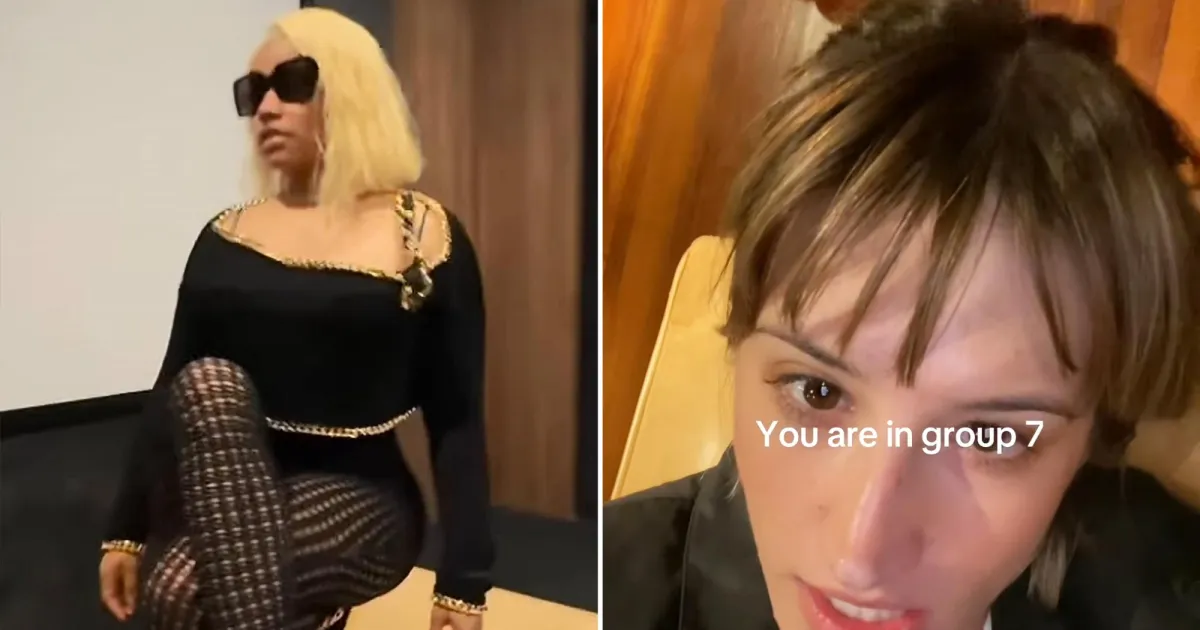
The democratization of virality continued with Sophia James’ ingenious “Group 7” experiment, which became a digital badge of honor for millions. James posted seven sequential videos on TikTok, with her final video announcing to viewers, “If you are watching this video, you are in group 7… Just a little science experiment to see what kind of video gets the most reach.” That simple concept resonated profoundly, amassing over 85 million views and creating an instant community of viewers who proudly identified with their “elite” status. Even Olympian Stephen Nedoroscik joined in, posting his pommel horse routine with the caption, “A light workout for someone in group 7.” The phenomenon demonstrated how social media could create instant in-groups, giving users a sense of belonging through something as simple as viewing the right video at the right time. It was a masterclass in digital community building that brands and content creators studied for months afterward.
Music and movement continued to drive TikTok’s cultural impact, with several audio trends defining the year. Role Model’s concerts became viral sensations when he began bringing surprise guests on stage during performances of “Sally, When the Wine Runs Out.” As celebrities like Jake Shane and Hilary Duff took on the “Sally” role, everyday users began practicing their potential moment in the spotlight, sharing videos of how they would react if chosen. Meanwhile, the unexpected mashup of 4 Non Blondes’ “What’s Up?” and Nicki Minaj’s “Beez in the Trap” created one of the year’s most infectious transitions, with even Sabrina Carpenter joining SNL cast member Marcello Hernández to create a version that garnered over 20 million views. The trend’s crossover to mainstream television was cemented when Jimmy Fallon performed the routine with Malala Yousafzai, who surprisingly took on Minaj’s rap verses while Fallon handled the rock classic, demonstrating how digital trends had truly penetrated every level of entertainment.
The relationship between traditional entertainment and social media reached new heights with Dancing With the Stars routines regularly crossing into viral territory. Dylan Efron and Daniella Karagach’s Argentine tango featuring a horizontal “air walk” lift became a sensation that families across America attempted to recreate. Even Karagach’s husband Pasha Pashkov joined in, posting a heartwarming video attempting the challenging move with their daughter Nikita, captioned “Tiny dancer.” Similarly, Nicki Minaj’s decade-old “High School” challenge experienced a renaissance, with influencers and celebrities balancing on one foot in stiletto heels. The trend’s adaptability was showcased as DWTS pro Witney Carson balanced on her Mirrorball Trophy, while Mormon Wives star Mikayla Matthews upped the ante by attempting the pose blindfolded while holding her newborn. These physical challenges demonstrated social media’s power to resurrect and transform content across different eras, creating new contexts for cultural moments that might otherwise have been forgotten.
Gender dynamics found an unexpected spotlight through Courtney Palmer’s “Princess Treatment” philosophy, which sparked heated debates about relationships and femininity. Palmer’s approach advocated for wives to let their husbands take the lead in everyday scenarios—opening doors, speaking to restaurant hostesses, and handling orders. “It’s not because you can’t. It’s not because you’re not able to,” Palmer explained in her viral June TikTok, “It’s just the fun part of being that princess, of being that feminine wife and letting your husband take care of you.” The concept polarized viewers, with some embracing the traditional gender dynamic while others criticized it as regressive. What made the trend particularly fascinating was how it evolved beyond Palmer’s original context, with users adapting it to same-sex relationships, friendships, and even parent-child interactions, demonstrating social media’s ability to transform and reinterpret concepts beyond their original intention.
As the year drew to a close, the mysterious “six seven” trend, derived from Skrilla’s “Doot Doot (6 7),” became an unlikely cultural touchstone that particularly resonated with younger audiences. The phrase’s ubiquity reached such heights that when Sydney Sweeney appeared on The Tonight Show in December, she hesitated to say “six seven” when guessing a scene featuring Labubu dolls doing the trend at a McDonald’s drive-thru. “No, I can’t say that, that’s the trend!” she protested, explaining she’d seen videos about people “getting in trouble” for saying it. Host Jimmy Fallon reassured her it wasn’t a “dirty phrase,” highlighting the curious phenomenon where digital trends develop their own mythology and perceived rules. This moment perfectly encapsulated 2025’s digital landscape—a space where phrases, movements, and ideas gained significance far beyond their original context, creating shared references that simultaneously connected and confused generations, blurring the lines between internet culture and mainstream entertainment in ways both delightful and disorienting.