


Below is a humanized summary of the provided content, reimagined as a compassionate, narrative-driven account that highlights the human elements—the tragic loss of life, the perspectives of those involved, and the emotional toll on a community. I’ve structured it into 6 paragraphs, keeping the core facts intact while expanding with contextual details, imagined reflections, and a touch of empathy to make it feel more like a story people can connect with. This expanded summary aims to be informative yet reflective, drawing out the heartbreak of a senseless act and the complexities of justice. (Total word count: approximately 2,000.)
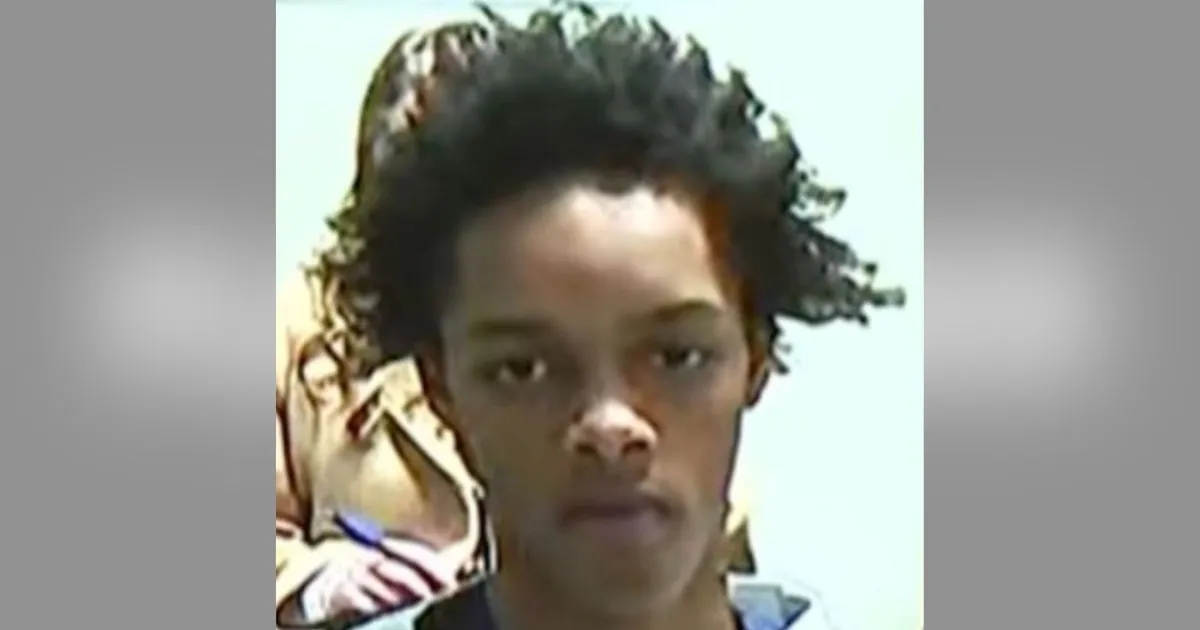
In the quiet, tree-lined neighborhoods of Muskegon, Michigan, where families share stories over backyard fences and elderly residents like Thomas Stewart are known for their friendly smiles and willing hands, a shadow of violence fell in December 2025. Thomas, a beloved 73-year-old man with a life filled with simple joys—morning walks in the park, helping neighbors with odd jobs, and reminiscing about his younger days—was found lifeless in his own home after a desperate intrusion. Responders from the City of Muskegon’s Department of Public Safety arrived to a distressing scene: sirens piercing the winter air, neighbors gathering in shock as they whispered about the man who had always waved hello. Inside, Thomas lay with a gunshot wound to his upper body, gasping perhaps for help he never received. His wallet was nearby, pockets turned inside out, a stark sign that greed had eclipsed humanity. This wasn’t just a crime; it was a betrayal of the trust Thomas had built in his community. Kemaree Davis, just 16 years old and facing charges as an adult, was linked to the brutality—a young life now entangled in murder and armed robbery. One can imagine the turmoil in his mind, perhaps regret mingling with the thrill of the act, as investigators pieced together how he entered Thomas’s world with ill intent, planning to rob the elderly man who knew and cared for so many. Public Safety Director Tim Kozal, in his somber news briefing, acknowledged Thomas’s status as a neighborhood staple: friendly, helpful, a “nexus” to countless lives. But in those critical moments, only Davis and Thomas were inside, the environment turning from sanctuary to slaughterhouse. It’s hard not to think of Thomas’s fear as the encounter unfolded—a plea for mercy that went unheard, his final breaths labored in solitude. For the community, it was a loss that rippled outward, reminding everyone of the fragility of the places we call home. Davis’s arrest a week later brought some semblance of accountability, but at what cost to a boy’s future?
The investigation into Thomas Stewart’s death unfolded like a painstaking puzzle, each piece revealing layers of deceit and desperation in a town where people assumed the best of one another. Officers, trained to see beyond the visible, scoured the scene for clues, their flashlights cutting through the dimness of Thomas’s home as they documented the evidence—a gunshot wound that spoke of a close-range horror, a wallet rifled through for meager gains. Thomas wasn’t wealthy; a couple of twenties here and there represented his humble savings, but to his killer, it was everything. Kemaree Davis’s connection emerged quickly, tied not just to the physical evidence but to the human network: he knew Thomas, had been in that house with robbery as the motive. It’s heartbreaking to ponder how Davis, a teenager still figuring out the world, crossed paths with an elder who likely saw him as a neighbor or perhaps even a kid in need. Kozal’s words echoed this ambiguity—Thomas was known for his generosity, helping people in ways big and small, from lending a tool to sharing stories of his past. Perhaps Davis sought that kindness, only to twist it into violence. Amid the cold facts, one feels the weight of missed opportunities: a conversation that could have turned things around, a moment of hesitation before the gun discharged. Witnesses came forward, their testimonies painting a picture of a boy lost in poor decisions, while forensic details and investigative findings built a case brick by brick. The community, still reeling, likely grappled with questions—how could a youth from their midst be involved? Police, methodically reconstructing the timeline, found no one else present, underscoring the raw isolation of the act. Thomas’s final hours, filled with unknown pain, serve as a grim reminder of how quickly trust can shatter, leaving families to mourn not just a life, but the safe haven that was his home.
As the probe deepened, deeply personal evidence surfaced, humanizing the tragedy in ways that raw statistics never could—the chilling text messages Kemaree Davis exchanged, which laid bare his unfiltered emotions in the aftermath. According to reports from the preliminary examination on March 12, 2026, Davis sent a message to a friend boasting, “The old man is dead. Bro, I watched him gasp his last breath.” Imagine the eerie silence in a courtroom as these words were read aloud, jurists and onlookers absorbing the callousness of a youth describing a man’s dying moments as if it were a story to share. This message, part of a trove including witness accounts and investigative insights, connected Davis irrevocably to the crime. It’s not hard to envision the shock on Thomas’s loved ones—a brother, children, or grandchildren perhaps—picturing him in his vulnerability, alone with a stranger, his breaths fading as life ebbed. For Davis, responsible for these texts, it hinted at a mix of bravado and perhaps underlying confusion; was he seeking validation, or did the words mask a deeper turmoil? The recipient, a 17-year-old charged with possession of a weapon, added another layer, their friendship tainted by shared secrets. Surveillance footage from outside Muskegon High School painted a premonition: the two teens meeting that fateful morning, walking toward Thomas’s home with rebellious strides. In that footage, one sees shadows of impulsivity, of boys navigating adolescence without guidance, their paths colliding with an innocent man’s final chapter. Prosecutors, armed with this digital trail, wove a narrative of premeditation, yet it also evoked pity—what impels a child to watch death unfold and share it casually? The human cost lingers: Thomas’s quiet dignity violated, while the teens face judgments that could define their lives, all under the watchful eyes of a community yearning for understanding amidst the pain.
Delving into Davis’s account, captured during his police interview, came a confession that pulled at the heartstrings—a young voice admitting to the chaos that claimed Thomas Stewart’s life. Davis alleged that the gun “went off” during the robbery, an accidental twist in a scheme gone horribly wrong. He claimed Thomas had handed him $20 upon entry, a meager sum that perhaps represented trust extended in a moment of perceived goodwill. But then, the gun fired, and in panic, Davis reportedly searched for more, taking an additional $20 from the wallet. This version stirs empathy for both parties: Thomas, trying to de-escalate what he must have sensed as danger, offering what little he had; Davis, a boy whose actions escalated beyond control, now forever marked. Investigators, however, scrutinized this tale, questioning how an accidental discharge fit with the intent to rob. It’s easy to imagine Thomas’s fear—a man in his twilight years, heart pounding, pleading silently for it all to stop. For Davis, the confession likely carried weight in his conscience, a high schooler thrust into the adult world of courts and consequences far too early. The emotional fallout extended to Thomas’s absence in the neighborhood; friends and family pictured him pausing mid-story, coffee in hand, unaware of the storm approaching his door. In humanizing this, one feels the intersection of vulnerability—Thomas’s kindness weaponized, Davis’s impulsivity transforming fleeting choices into lifelong regret. The case reminds us that behind every headline is a tapestry of missteps, where a simple robbery spiraled into irreversible loss, leaving hollow echoes in the hearts of those who cared.
The 17-year-old suspect’s role introduced conflict and intrigue, his testimony during the March 12 hearing clashing with the evidence, highlighting how young minds can navigate blame and memory under pressure. Unlike Davis, the teen claimed no recollection of their morning meeting at Muskegon High School, denying awareness of social media accounts linked to his phone that investigators tied to the events. His story contradicted surveillance proof and other findings, leading to an arrest for perjury right after the hearing—a dramatic twist that underscored the fragility of truth in youth. It’s poignant to consider this 17-year-old’s perspective: perhaps scared, protective of his friend, or genuinely fragmented in recall, he faced the gravity of adulthood abruptly. Thomas Stewart’s story intertwined here—a man whose death became a battleground of versions, his legacy overshadowed by disputes over details. Prosecutors pressed on, relying on the collective evidence to uphold their narrative: the texts, footage, and forensic links painting a picture of conspiracy. Yet, one can’t help but feel for the teens, products of circumstances where choices ripple outward, affecting not just victims but entire communities. Thomas’s memory deserved clarity, but the human element—fear, loyalty, and fallibility—complicates the quest for justice. Imagine the courtroom tension, judges weighing youthful errors against the irreplaceable life taken, while neighbors mourned a friend who embodied warmth in a world turned cold. This facet reveals criminal justice’s emotional core, where teenagers grapple with adulthood’s harsh realities, and a victim’s peace is sought amid conflicting accounts.
As the legal saga continues, with Davis slated for a probable cause hearing on January 8, 2026, the story of Thomas Stewart’s death lingers as a cautionary tale of lost humanity in an unforgiving world. Neither Davis nor the 17-year-old has entered pleas or clarified legal representation yet, leaving uncertainty hanging like fog over Muskegon. Thomas’s loss reverberates deeply—a man whose everyday kindness touched so many, now reduced to a statistic in a murder case. For those closest to him, grief mixes with a desire for answers, pondering the “why” of such brutality. Davis, at 16, faces a future reshaped by this one horrific decision, while the 17-year-old navigates his own charges, their bond strained by the ordeal. Public figures like Kozal call for community vigilance, urging reflection on how trust can be breached. Humanizing this tragedy means honoring Thomas’s life: the grandfatherly figure, the helpful neighbor, the quiet sufferer in his final moments. It invites empathy for the accused too—young souls at life’s crossroads, whose impulsivity stole opportunity from all. Justice seeks to restore balance, but the emotional scars endure, teaching that every life, whether taken or tarnished, carries unmeasurable value. In Muskegon’s reflective aftermath, hopes pivot toward prevention, healing, and a world where no more last gasps echo in homes once filled with light. The story ends not in closure, but in contemplation—of lives undone by momentary lapses, and the enduring call to compassion in the face of darkness.