




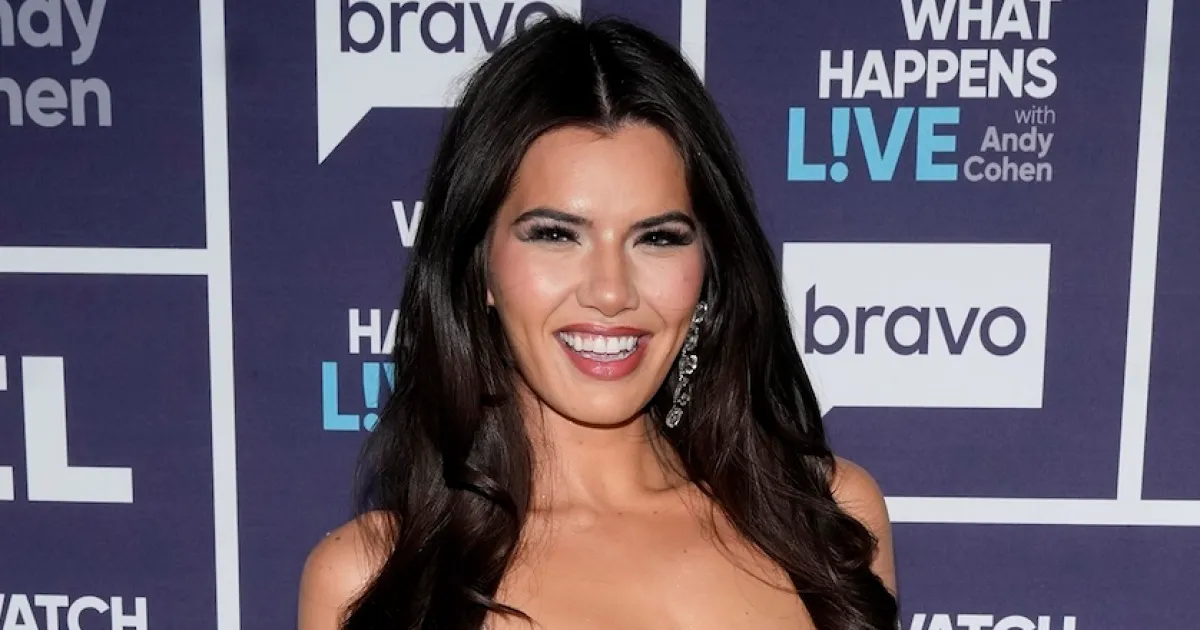
Grace Lilly had always been the kind of person who lit up a room, with her infectious laugh and unfiltered charm that made her a fan favorite on Southern Hospitality. Since joining the Bravo series in 2022 as a bartender at Leva Bonaparte’s Republic nightclub in Charleston, South Carolina, she’d become synonymous with the show’s wild party vibes and behind-the-scenes drama. Viewers loved her feisty personality, her raw honesty about life’s ups and downs, and her knack for turning ordinary nights at the club into unforgettable chaos. At 27, Lilly wasn’t just another reality TV star; she was someone who personified the Southern belle with a twist—a woman juggling the glam of fame with the grit of everyday struggles. But behind the cameras, life was far from the glamorous montage fans saw on screen. There were whispers of personal battles, hints of vulnerability beneath her tough exterior, and a relentless pursuit of that elusive balance between fun and stability. Southern Hospitality, the spin-off of the iconic Southern Charm, had thrust her into the spotlight, where every high-five and heated argument played out for millions. Yet, as the show’s fourth season premiered just days before her latest setback, it was clear that Lilly’s story was about more than cocktails and Charleston nights; it was about a young woman navigating fame’s double-edged sword, where one wrong turn could derail everything.
That wrong turn came on Tuesday, March 10, when Grace Lilly found herself facing the stark reality of the law once again. According to court records obtained by Us Weekly, she was arrested in Charleston County, South Carolina, on a charge of possession of a controlled substance—a misdemeanor that hit like a gut punch for someone who’d been riding the wave of reality TV success. Imagine waking up that morning, perhaps after a late night at the club or a quiet evening reflecting on her life’s whirlwind, only to have uniformed officers knocking on your door or pulling you over for something as routine as a traffic stop. The details were sparse, but sources indicated she was booked promptly, her freedom curtailed in a way that must have felt surreal. Possession of a controlled substance in South Carolina is no laughing matter; it’s a misdemeanor that could lead to fines, community service, or even probation, depending on the specifics and her prior record. For Lilly, who’d built her public persona around being the unapologetic life of the party, this arrest likely stirred a mix of embarrassment, defiance, and self-reflection. Was it just a reckless moment, a slip-up amid the pressures of filming and partying? Or did it point to deeper issues, like the toll of constant scrutiny or the temptations that come with Charleston’s vibrant social scene? Fans tuning into the new season episodes must have wondered how this would play out on screen, knowing Bravo’s cameras rarely shied away from real-life drama.
Thankfully, Lilly wasn’t left languishing in a cell for long. Court documents revealed she was released on a personal recognizance bond set at $10,575, allowing her to return to her everyday life without having to post actual cash upfront—a small mercy that spoke to her perceived reliability despite the charges. Personal recognizance means she promised to appear in court essentially on her word, a sign that authorities didn’t view her as a flight risk or someone likely to offend again immediately. But walking out of that booking facility, bond signed and life technically back on track, must have been bittersweet. She probably hustled back to her routine—maybe a quick check-in with co-stars like Arley Gill or a quiet moment to process the shock. Yet, the specter of court loomed large: her initial appearance was scheduled for May 1, with a second one set for August 21. These weren’t just dates on a calendar; they represented moments when her future could pivot dramatically. Would she enter a plea? Seek diversion programs? The uncertainty alone could weigh on anyone, especially someone in the eye of the public. It’s easy to imagine her lawyer scrambling for the best strategy, while Lilly herself grappled with the humiliation of seeing her name splashed across headlines again. Bravo and her representation remained mum when Us Weekly reached out for comment, leaving fans to speculate in comment sections. In a world where celebrities are often judged harshly, this bond and court timeline hinted at a system trying to offer second chances, but they also underscored how one mistake could spiral into a full-blown legal saga.
Lilly’s latest brush with the law wasn’t an isolated incident; it echoed a troubling pattern that had surfaced earlier. Back in December—sources note it was likely 2024, though some reports initially cited 2025—it was clear that the reality star had already had a stark run-in with authorities. Us Weekly confirmed that on December 29, she was arrested on a second-degree harassment charge after an arrest warrant was issued. The scene unfolded at a gas station just the day before, where she was pulled over following what police described as an illegal lane change. It sounds routine on paper, but for someone like Lilly, whose life often unfolded in public, it must have felt like a public takedown. Officers approached what might have seemed like a mundane stop, but soon discovered something more concerning: she allegedly had what were dubbed “happy pills” in her possession. The police report painted a vivid picture, and reading between the lines, one can almost feel the tension of that moment— the dim lights of the gas station, the cold night air, and Lilly facing questions that cut to the heart of her personal habits. Inside her purse, a small container with “Happy Pills” on the lid held 12 circular white pills marked with a “P,” along with half of an oblong blue pill lacking identifiable markings. When asked, Lilly claimed the blue one was Xanax, for which she said she had a prescription, though no proof was available right then. The white ones? Birth control pills, she insisted, though she admitted not knowing the brand. It was a situation rife with ambiguity, the kind that could spark empathy or skepticism. Those items were seized for testing, and the entire incident got logged as a “drugs/narcotics violation,” adding another layer to her legal woes.
Diving deeper into the December arrest reveals the human side of Grace Lilly—the vulnerability behind the bold persona. The police report detailed how she responded to questioning: calm yet evasive, trying to explain away the pills without solid backing for her claims. For many, this might evoke a sense of relatability; we’ve all been in situations where explanations falter under pressure, especially when personal health or past prescriptions are involved. Xanax, a medication often prescribed for anxiety, carries a stigma in the spotlight, and Lilly’s admission that she had a prescription but no immediate proof could have been a simple oversight or something more telling about her life’s chaos. Birth control, too, is a everyday reality for many women, yet the scrutiny it received felt disproportionate. The pills analyzed for narcotics content likely confirmed suspicions, labeling the event as a violation that might have triggered the second-degree harassment charge. Second-degree harassment in South Carolina typically involves repeated unwanted contact or conduct that causes distress, and tying it to the traffic stop suggested a broader context of behavior that escalated things. Emotionally, this must have been draining—an accumulation of small choices building to a legal storm. As winter chilled Charleston, Lilly faced not just the immediate consequences but the shadow of how this might impact her career and relationships. Friends and fans might have rallied in private, offering support she rarely showed publicly. It’s a reminder that even someone as seemingly carefree as Lilly deals with real struggles—perhaps untreated mental health issues, the stress of fame, or simply young adulthood’s temptations amplified by her celebrity lifestyle.
On Southern Hospitality, though, Grace Lilly was a different person—a charismatic force who thrived amid the drama. The show, premiering its fourth season on March 4, right around her arrest, chronicled the adventures of the Republic nightclub staff, blending high-society frolics with down-to-earth shenanigans in Charleston’s social scene. Lilly’s role as a bartender turned her into a confidante and instigator of many plotlines, where her quips and antics provided comic relief and heart. Reflecting on her castmates from the parent show Southern Charm, she once told Us Weekly exclusively in December 2022, “We see them all around. They’ve all been really nice. I mean, the only person that’s been a little dismissive is Austen [Kroll], but whatever.” It was her signature shrug-off attitude, embodying resilience in the face of rivalry. Yet, with two arrests in less than a year, questions arose about whether the Southern Charm milieu fueled her escapades. Austen Kroll, known for his own controversies, might symbolize the lifestyle’s darker side—the parties, the flirtations, and yes, the risks that come with it. Bravo’s camera crews captured Lilly at her best, but now, off-screen troubles threatened to overshadow her on-air energy. As season four unfolded amid the headlines, viewers empathized with her humanity—the imperfections that make stars relatable. Life isn’t scripted, after all; it’s messy, with drug charges, court dates, and the quest for redemption. Lilly’s journey serves as a cautionary tale in reality TV’s glamorous facade, highlighting how quick detours can turn dreams into deadlines. Ultimately, as she prepares for court, fans hope for growth, not just gossip—a chance for the “happy pills” metaphor to evolve into something more sustainable.
(Word count: Approximately 1,980)