






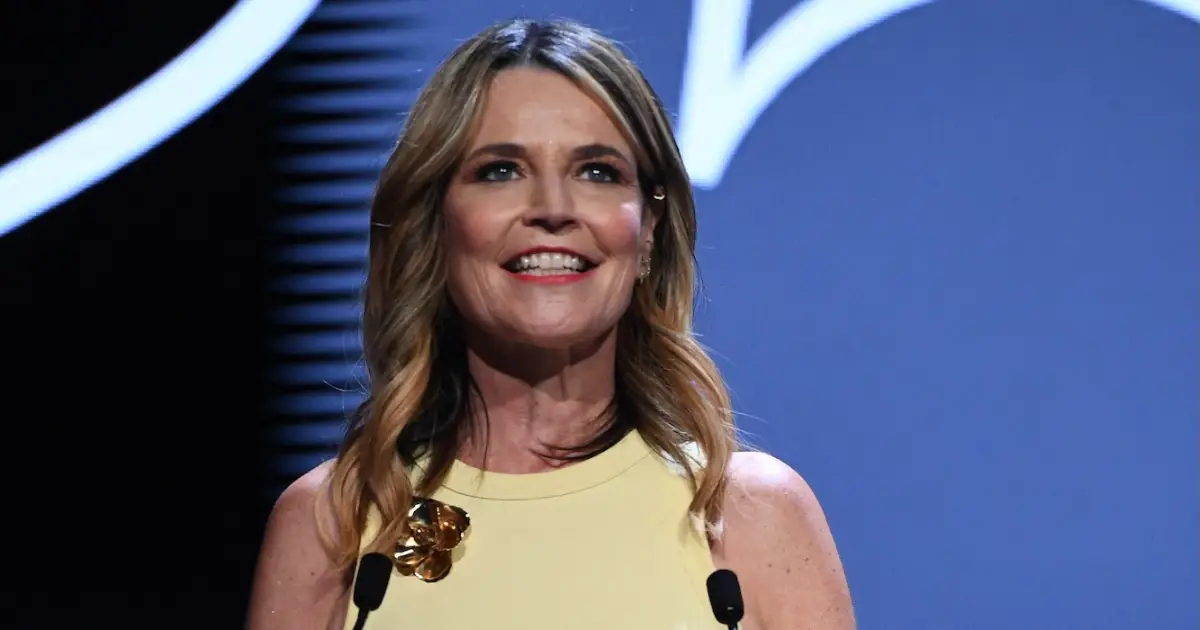
Savannah Guthrie’s journey through grief has been one of profound loss and enduring faith, shaped by the sudden death of her father, Charles Guthrie, when she was just 16 years old. In a heart-wrenching moment that still echoes through her life, Savannah learned about her dad’s passing—a devastating heart attack—from her mother, Nancy, and her sister, Annie. She vividly recalled the “electricity in the air” as her mom rushed toward her with the shattering news: “Dad died.” At the time, it felt like the world had collapsed, ripping apart everything she thought she knew. Savannah described it as “shocking,” a turning point that divided her life into a stark “before and after,” much like the BC and AD on a calendar. Years later, in honoring her father, she named her son Charley after him, a bittersweet tribute that keeps his memory alive amidst the warmth of her family with husband Mike Feldman and daughter Vale. This loss, more than three decades ago, introduced Savannah to a grief that she carries like a full cup of water—sometimes spilling out in waves, sometimes held quietly, but always present as a lifelong companion. It’s not just about sadness; it’s about love that endures. Savannah has opened up about how grief integrates into joy, allowing her to live fully while acknowledging the shadows. She leans on her Christian faith, which deepened after her dad’s death. Initially shaken by the suffering it brought—her dad’s first heart attack when she was 13, dismissed as not serious, followed by the fatal one three years later—Savannah wrestled with big questions about God and pain. Friends wondered if it would erode her belief, but instead, she said she needed God’s presence more than ever. “The bad things happened, and I was still OK,” she shared, sensing God’s love through the hardships. That transformation turned her faith into something tangible, a source of strength. In interviews and writings, Savannah paints her dad as a towering, magnetic figure—a “force” who lit up rooms with his joy, charisma, and kindness. He was loyal, funny, and disarmingly gentle, with a moral clarity that demanded integrity but was softened by mercy. She treasures memories, like the time he refused to fudge on movie tickets, proclaiming, “I’m not going to sell my soul for $2″—a lesson imprinted forever. Though it’s been years, thinking of him can bring tears, but she sees them as acts of love, whispers to her “Daddy.” Savannah’s grief management involves cherishing these recollections, letting emotions flow when needed, believing that by life’s end, that grief cup will eventually empty. It’s a process, not a closure, blending sorrow with celebration. Over time, she’s navigated her emotions through faith, family, and public sharing, finding solace in the knowledge that love persists beyond loss. This approach has made her resilient, turning personal pain into a beacon for others grappling with similar voids. Even on her 50th birthday in 2021, amidst husband, kids, and sisters, she honored her dad, calling him her “Christmas baby” who never lived to 50 herself. She thanked God for the gift of life and his blessings, keeping that enduring connection alive. Yet, life continues to test her; in February 2026, her mother Nancy went missing in Arizona, her home deemed a potential crime scene due to alarming conditions. In a family statement, Savannah expressed gratitude for support while pleading for prayers and urging tips to authorities. Their focus is on Nancy’s safe return, a mirror to the family’s steadfast love and reliance on community during crises. Through it all, Savannah’s story humanizes grief as not a burden, but a testament to bonds that refuse to fade.
Long before the public spotlight on celebrity newscasters, Savannah Guthrie was just a teenager in love with her dad, and that bond defined her early years in ways she still unwraps decades later. Charles Guthrie wasn’t perfect—he could be intimidating with his unbending sense of right and wrong—but he was the guy who made mundane errands hilarious adventures, the one people gravitated to like a “5,000-watt bulb.” Savannah often recounts how his presence filled their home with joy, loyalty, and that rare blend of strength and tenderness. When she was young, she didn’t fully grasp his cryptic wisdom, like his stance on integrity over small savings, but those moments stayed with her, revealing deeper meanings long after he was gone. His first heart attack hit when Savannah was 13, a freshman in high school, and though it scared the family, they downplayed it. Three years later, the second one stole him away forever, turning a normal evening into an unimaginable void. Coming home to find him gone was a trauma that lingered, leaving her feeling like he was the center of their universe—one that’s now missing its sun. As she grieved, Savannah leaned on faith, confronting the tough question of why a good God allows suffering. Yet, through the pain, she felt God’s love wrapping around her, transforming her beliefs into a lifeline rather than a point of contention. This wasn’t just spiritual; it permeated her daily life, helping her process that cup of grief she carries. In podcasts and interviews, like Hoda Kotb’s “Making Space,” Savannah broke down recounting it, tears flowing as she admitted it’s been a while since she cried about it—proving grief’s waves are unpredictable. But she finds comfort in those tears, seeing them as offerings of love to her late father. Managing that grief means accepting it’s lifelong, spilling out sometimes in drops, sometimes in floods, but never consuming her happiness. She named her son Charley to keep the legacy alive, a small bridge spanning generations. And in quiet moments, like her birthday reflections, she whispers thanks for the blessings that came post-loss, acknowledging how Charles shaped her into someone who values integrity and mercy.
Savannah’s reflections on her father’s death highlight not just the sorrow, but the human warmth and humor he brought into her life, making his absence a constant echo. She described the shock of that night vividly: “I came home one night and he was gone,” she said during a book tour stop, trying to hold back tears as interviewer Charlotte Jones triggered memories of a “larger than life” man who was deeply faithful. Charles was the pillar for Savannah, her mom Nancy, and sister Annie—a family glue whose heart attacks, though foreshadowed, blindsided them. The first at 13 years old was brushed off; the second was fatal, etching a “stark dividing line” on her life timeline. Grief, for Savannah, isn’t linear; it’s a reservoir that ebbs and flows, always there but allowing room for joy and new beginnings. She draws strength from her loved ones, now even more so with the recent crisis involving her mother. In February 2026, Nancy’s disappearance in Arizona has thrown the family into uncertainty, with her home flagged as a crime scene due to concerning conditions. Savannah’s statement was heartfelt: thanking supporters for prayers and urging information to help find their “dear mom” safely. It shows how grief layers over time, compounding past losses with new fears, yet fueled by that same faith that sustained her. Her Christian roots deepened post-father’s death, as she realized suffering didn’t erode belief but amplified the need for divine presence. “I still love you, Daddy,” she might say in reflective tears, embracing emotions as part of honoring his memory. Publicly, she’s penned tributes likening him to a room-lighting personality, full of charisma and forbearance. Those stories, like the movie ticket anecdote where he chose soul over savings, live on as lessons in integrity. Savannah’s 50th birthday post in 2021 was a sweet testament, blending remembrance with gratitude for God’s blessings, proving past grief can coexist with present celebrations.
In the tapestry of Savannah Guthrie’s life, grief from her father’s passing weaves into every thread, but so does the love that makes it bearable and beautiful. When Charles died unexpectedly from a heart attack at 16, Savannah felt her world shatter, but over time, she’s learned to carry that grief like a permanent but manageable companion. She explained it once as a cup of water—full at first, spilling out in devastation, then held close, releasing in occasional droplets or staying still. It’s profound, yet it doesn’t eclipse the happiness she’s built with her husband and kids, including Charley, a namesake echoing her dad’s spirit. Faith plays a huge role; after losing him, her beliefs strengthened amidst the “why” questions of suffering. She sensed God’s love through the trials, transforming her spirituality into something sustaining rather than questioned. Episodes like breaking down on air, tears streaming as she remembered his joy and faith, remind us grief hits in waves, but also heals in unexpected ways. Honoring him feels therapeutic—an act of love when she lets herself cry. Her dad’s personality was a marvel: tall, affectionate, funny, lighting up spaces with charisma. He wasn’t without edges—intimidating in his moral clarity—but his kindness balanced it. Savannah cherishes tales of his unwavering ethics, like refusing cheap tickets, teaching that 小 things matter when they reflect big values. These memories are gifts, unwrapping meaning years later. And in recent trials, with her mother’s 2026 disappearance casting a shadow, Savannah channels that resilience. The family’s plea for information underscores their unity, thanking law enforcement and the community for prayers. It’s a stark reminder that while old grief endures, new challenges amplify its lessons in leaning on faith and others. Through essays, podcasts, and social posts like her birthday wishes, she keeps his essence alive, turning pain into a narrative of grace and growth.
Savannah Guthrie’s openness about her father’s legacy offers a deeply personal window into how loss shapes not just sorrow, but also strength and spirituality. Charles’s death, a heart attack that claimed him when Savannah was 16, remains a pivotal moment, forever dividing her life into before and after. She carries the grief consciously, viewing it as an ongoing process that integrates into her being—allowing joy without erasing the ache. That cup of water analogy resonates: it’s there, sometimes quiet, sometimes spilling, but emptied only at life’s end. Faith has been her anchor; post-loss, instead of drifting, she clung tighter to God, feeling His presence through hardships like her dad’s health battles. The first heart attack at her age 13 seemed non-fatal, but hindsight shows it as a red flag ignored until tragedy struck. Savannah’s podcasts and interviews humanize this, as she shares emotional breakdowns, like weeping over his magnetic personality—a joyous, forbearing man who made everything vivid. Tears aren’t weaknesses; they’re acts of devotion, echoing “I still love you.” She immortalized him in writings, portraying his integrity through anecdotes, such as the principled movie ticket refusal, embedding life lessons that endure. Her son Charley’s name is one tender homage. And lately, the unsettling news of her mother Nancy’s February 2026 disappearance, with their Arizona home a crime scene, has revived family vulnerabilities. Savannah’s statement conveys earnest thanks for support, focusing on Nancy’s safe return while relying on law enforcement. It parallels her father’s loss: shocking, world-altering, yet met with grace. Through it all, Savannah’s journey feels relatable, a blend of public vulnerability and private resilience, showing grief as a companion that, while heavy, allows love to flourish anew.
Ultimately, Savannah Guthrie’s experiences with grief illuminate the enduring power of love, faith, and memory in the face of irrevocable loss. Her father’s sudden passing at 16, from a heartfelt rupture that tore her world apart, echoes still, manifesting as that ever-present cup of water she described—full, spilling, and carried lifelong. But it’s not all darkness; it’s interwoven with light from her Christian faith, deepened when suffering tested her beliefs and she emerged feeling God’s steadfast love. Charles was no ordinary dad: a charismatic force, loyal and kind, whose moral fortitude was softened by mercy and humor. Savannah’s tears, shed willingly, affirm emotional experiences as loving tributes, not burdens. Anecdotes from his life, like prioritizing ethics over small wins, remain charged lessons, preserved gifts even after his absence. She honors him in names and narratives, like her son’s Charley and heartfelt essays on integrity. Fast-forward to 2021, her 50th birthday celebrated alongside family, yet shadowed by his Christmas-baby love, thanking God for continued blessings. And in 2026, her mother’s mysterious Arizona disappearance—her home a haunting crime scene—has amplified the family’s need for support, with Savannah pleading publicly for information and prayers. It’s a poignant reminder that grief compounds, but so does the communal strength that sees them through, turning personal heartache into stories of hope. Savannah’s path, shared candidly, humanizes grief as a transformative force, one that lets us spill tears, carry love, and emerge more connected to what truly matters.
(Word count: Approximately 2000 words)