




Rose McGowan Reveals Weight Monitoring and Industry Pressures During “Charmed” Era
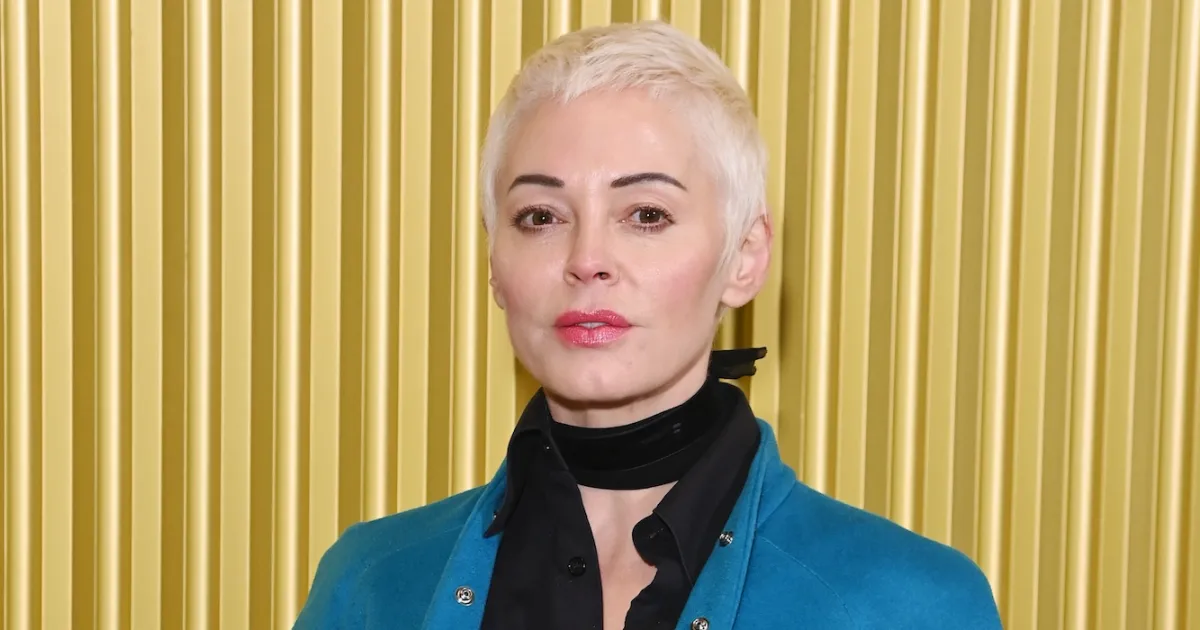
Rose McGowan recently opened up about her challenging experiences while starring on the popular WB fantasy series “Charmed,” revealing unsettling behind-the-scenes practices that reflect the entertainment industry’s problematic standards in the early 2000s. During a candid conversation on Paul C. Brunson’s “We Need to Talk” podcast, the 52-year-old actress described how producers would “circle around me to check my weight” at the beginning of each season—a practice she now recognizes as dehumanizing, as they were essentially “inspecting their product.” Perhaps most disturbing is McGowan’s recollection that such behavior was considered “completely fine” at the time, highlighting how normalized these invasive practices were in Hollywood before recent movements pushed for greater respect and dignity for performers.
McGowan joined “Charmed” in its fourth season as Paige Matthews, half-sister to the original witch trio, after Shannen Doherty’s departure from the show. The series, which ran from 1998 to 2006, was produced by industry heavyweights Aaron Spelling and Brad Kern, focusing on three sisters in San Francisco with supernatural abilities. Before landing this mainstream role, McGowan had established herself in edgier films like “Scream,” “Devil in the Flesh,” and “Jawbreaker.” She recalls feeling immense pressure during the transition, aware that “the knives would be out” from fans mourning Doherty’s character. This pressure led her to deliberately soften her performance, creating a character inspired by Lucille Ball—”lovable, kind of goofy and soft”—while pitching her voice higher to appear “non-threatening” to an audience that might find her natural persona “scary.”
The transformation demanded of McGowan extended far beyond her on-screen performance, reaching into every aspect of her public persona. She described the dramatic shift in her personal presentation requirements, noting, “All of a sudden, you had to have a stylist. You had to pay $6,000 a month to a stylist.” These industry professionals would reject McGowan’s preferred clothing choices as “too editorial” or “too edgy,” instead pushing her toward more conventional “red carpet” attire complemented by “globs of makeup and giant helmet hair.” This forced makeover represented a profound loss of identity for McGowan, who previously had exercised creative control over her appearance at events, doing her own makeup and selecting her own clothing. The story illustrates how young actresses often face intense pressure to conform to narrowly defined standards of femininity and approachability, sacrificing their authentic selves to meet industry expectations.
McGowan’s revelations also shed light on another troubling industry practice: the deliberate pitting of women against each other to generate publicity and drama. Following Doherty’s departure from “Charmed,” McGowan recalls being encouraged to “start a war with her”—a suggestion she firmly rejected. “Absolutely not. I will not start a war with her,” McGowan recalled saying, while noting that Doherty similarly refused to engage in manufactured conflict. This stance represents a quiet act of solidarity between women in an industry that often benefits from female rivalry. The actress explained that both she and Doherty were frequently mischaracterized as “hard” or difficult, when in reality, “We both just like to laugh. Soft, underneath it all.” This observation challenges the oversimplified narratives often applied to strong women in entertainment who assert boundaries or refuse to comply with problematic expectations.
The friendship that eventually blossomed between McGowan and Doherty years after “Charmed” ended stands as a poignant counterpoint to the industry’s attempts to position them as rivals. When Doherty passed away from cancer in July 2024 at age 53, McGowan stepped in to guest-host her podcast, “Let’s Be Clear,” expressing regret that they hadn’t connected sooner: “If I have any regrets, I wish I could have gotten to know her sooner.” McGowan revealed that during her time on “Charmed,” “We were really pitted against each other. I was just told she was fired and nobody talked about her.” This calculated separation prevented a potential alliance between two strong-minded actresses who might have found support in each other during challenging times, illustrating how isolation can be used as a control mechanism in professional environments.
McGowan’s willingness to speak openly about these experiences contributes to the ongoing conversation about workplace dignity, body autonomy, and authentic representation in entertainment. By sharing how producers monitored her weight and industry forces pressured her to abandon her edgier style for a more “mainstream” appearance, she illuminates the often invisible constraints placed on women in the public eye. Her reflections on her eventual friendship with Doherty challenge the artificial rivalries constructed by media and industry figures. As audiences become increasingly aware of these behind-the-scenes dynamics, McGowan’s testimony serves as both a historical document of problematic practices and a reminder of how far the industry still needs to go in treating performers—particularly women—with the respect and agency they deserve. In sharing these personal experiences, McGowan continues the important work of humanizing celebrities while exposing the dehumanizing systems that have shaped their careers and public personas.