



A Heartfelt Farewell to a Beloved Director
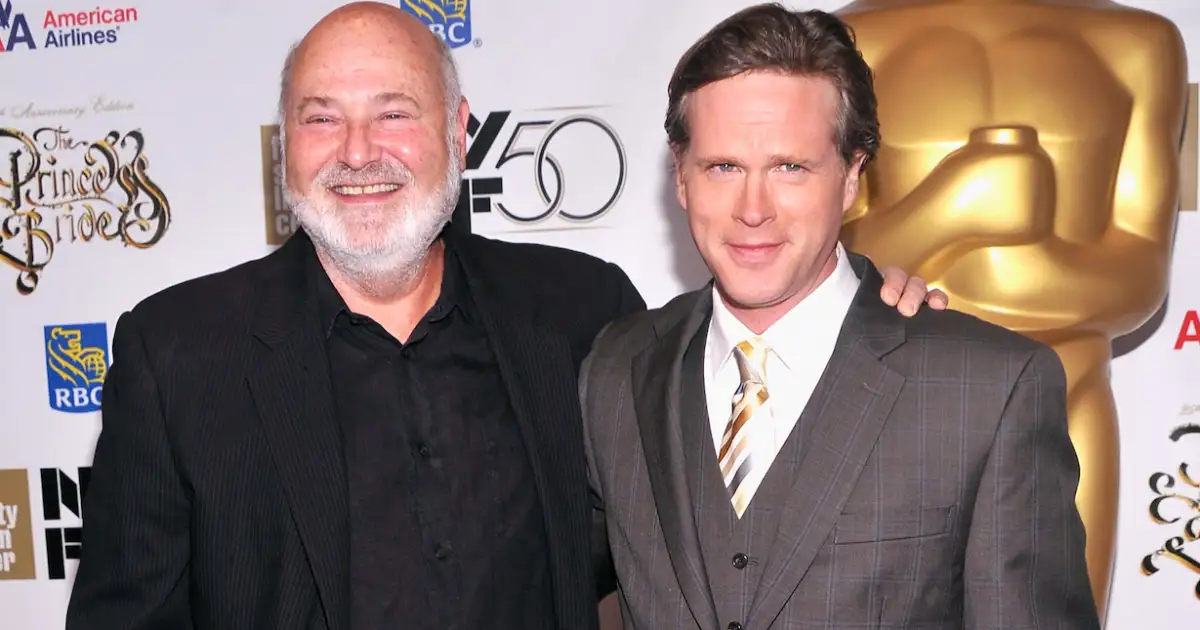
Imagine waking up on a quiet March morning, scrolling through Instagram, and seeing a post that instantly transports you back to moments of joy and cinematic magic. For fans of The Princess Bride, that film evokes swashbuckling adventure, true love, and unforgettable characters, all masterminded by the late Rob Reiner. On what would have been his 79th birthday, actor Cary Elwes, who played the dashing Westley in that 1987 classic, shared an emotional tribute that hit hard. In a throwback photo, captured before the cruel twist of fate that unraveled in December 2025, Elwes stands beside the director, both radiating warmth and creativity. The young actor’s caption was simple yet piercing: “Today would have been your 79th birthday. Still hard to believe you’re gone. Missing you so much #robreiner ⚔️💔” These words, accompanied by a sword and broken heart emojis, underscored the profound sadness that lingers when a life ends too soon. Rob Reiner wasn’t just a director; he was a storyteller who believed in the triumph of good over evil, a theme that mirrored his own compassionate nature. Yet, the real story behind this post is heartbreaking—Rob and his wife, the talented photographer Michele Singer Reiner, were found stabbed to death in their elegant Brentwood, California home. Rob was 78, Michele 70, and their deaths shocked Hollywood and beyond. As Elwes reflected, it’s impossible to erase the image of their partnership, full of love and shared dreams. Michele, with her keen eye for capturing life’s beauty, complemented Rob’s visionary drive, making them an iconic couple. Their home, once a sanctuary of laughter and ideas, became the scene of a tragedy that no one saw coming. People began piecing together the timeline: a peaceful holiday season shattered by violence. The pain reverberated through social media, where Elwes first expressed his sorrow days after the discovery. In the months since, as anniversaries roll around like relentless waves, the grief only deepens. Cary Elwes, now 63, embodies that enduring ache—a reminder that even stars aren’t immune to loss. This birthday tribute isn’t just a nod to a date on the calendar; it’s a cry from the heart, echoing the sentiments of millions who cherished Reiner’s work. In The Princess Bride, there’s a line about death not stopping true love, but Elwes’s message makes you wonder if life without such inspirational figures ever truly heals. It’s human to clutch at these memories, to wish for one more conversation or shared laugh. Rob’s legacy, distilled in films like This Is Spinal Tap and When Harry Met Sally, lives on, but the void left by his absence feels insurmountable. As Elwes looks at that photo, it’s clear he’s not just mourning a colleague, but a friend who shaped his career and life. The princess bride of Hollywood has lost its prince, but in sharing this moment, Elwes invites us all to grieve collectively, turning a simple post into a bridge across the chasm of sorrow.
The Tragic Discovery and a Family’s Descent
The details of Rob and Michele Reiner’s deaths paint a picture that’s as surreal as it is devastating. On a day that should have been filled with holiday cheer in December 2025, their Brentwood home— a sprawling estate nestled in the affluent Los Angeles neighborhood, surrounded by manicured gardens and echoes of better times—became a crime scene shrouded in mystery. Police arrived to a horrific sight: the couple, found deceased with multiple stab wounds, their life together extinguished in an act of unimaginable brutality. Rob, the Oscar-nominated director whose films celebrated humor, romance, and human resilience, and Michele, his supportive partner whose photography captured the subtle intimacies of daily life, were pronounced dead at the scene. At 78 and 70 respectively, they had built a life dedicated to art and family, far from the spotlight that Rob’s successes thrust them into. It’s chilling to think how such violence could infiltrate a home known for warmth and creativity—Michele’s art studio, where she curated memories through her lens, now forever stained by sorrow. The community was rocked; neighbors spoke of the couple’s kindness, how they’d host gatherings that blended Hollywood glamour with genuine hospitality. But beneath this facade, cracks emerged, revealing a darker family dynamic. Their son, Nick Reiner, who had grown up in the shadow of his father’s fame and mother’s gentle presence, faced charges that stunned the world. Arrested shortly after the bodies were discovered, Nick was hit with two counts of first-degree murder, each carrying special circumstances that hinted at premeditation or cruelty. He pleaded not guilty, opting to stand trial rather than admit to a crime that contradicted the image of a devoted child he’d portrayed. Held without bond, Nick’s story unfolded in headlines: a son who, by all accounts, had struggled with personal demons, perhaps influenced by the pressures of inheriting a legacy he could never fully claim. The legal proceedings promise to delve into motive, unraveling whether jealousy, mental health crises, or unresolved tensions played a role. For those who knew the Reiners, this wasn’t just a murder trial; it was a betrayal of the bonds that once held them together. Families are meant to be sanctuaries, not battlegrounds, and this tragedy forces us to confront how love can twist into something unrecognizable. As Nick awaits trial, the public watches, hungry for answers, but the human cost is clear in the Reiner household’s empty rooms. Michele’s photographs, once symbols of life’s beauty, now serve as painful reminders of loss, while Rob’s unfinished projects loom as what-ifs. In sharing this, we humanize the victims—Rob and Michele weren’t just names in the news; they were dreamers, romantics, and parents. Their story begs the question: how does one piece back together shattered trust? Cary Elwes, among the chorus of mourners, likely grapples with this, knowing that even a son can turn adversary. It’s a reminder that behind the curtain of fame, real-life dramas unfold, messy and heartbreaking, leaving legacies tainted by grief.
Echoes of The Princess Bride: A Friendship Forged in Fantasy
When Cary Elwes first met Rob Reiner in 1986, he was a 24-year-old actor with a passion for the stage, not yet aware that this encounter would redefine his life. The set of The Princess Bride buzzed with energy—a quirky blend of adventure and whimsy, where Elwes stepped into the role of Westley, the farm boy turned pirate. From that initial handshake, something clicked. Elwes, a fan of Reiner’s earlier work like This Is Spinal Tap, felt like he’d won the lottery. “I was 24 when I first met Rob Reiner on The Princess Bride. And from that very first meeting I fell in love with him,” Elwes later recalled in a heartfelt Instagram post just days after the couple’s deaths in December 2025. It was a dream scenario: the young English actor, known then for smaller roles, found himself entrusted with a breakout part that catapulted him into the spotlight. Rob’s decision to cast Elwes wasn’t arbitrary; he saw potential in him, handing over “the keys to the castle” as the actor poignantly put it. On set, amidst sword fights and over-the-top villains like Count Rugen, Elwes witnessed Rob’s magic firsthand. The director, with his infectious laugh and unpretentious vibe, fostered an environment where creativity flourished. Long after the cameras stopped rolling, their bond stayed strong—Elwes became not just a co-star, but a close friend, invited to the Reiner home for dinners that mingled Hollywood anecdotes with heartfelt talks. Michele was part of that warmth, her presence adding a layer of quiet elegance. Together, Rob and Michele embodied the film’s themes: loyalty, humor, and undying affection. Elwes reminisces about those early days with a mix of nostalgia and ache, knowing that Rob’s mentorship opened doors he never imagined. But it’s the remembrance that hits hardest—imagining Rob, with his distinctive style and boundless energy, excitedly directing scenes that would become classics. For Elwes, losing Rob meant losing a confidant who understood the highs and lows of the industry better than most. In an era of quick collaborations, their friendship endured, proof that some connections transcend time. As Elwes shared these memories publicly, it was as if he was reliving those golden moments, only to crash back into the reality of permanent loss. Friends like that make life richer, and their absence hollows it out. In The Princess Bride, Rob directed lines like “Inconceivable!” with flair, but the real inconceivable tragedy is that such a vibrant spirit was silenced. Elwes’s tribute isn’t just about the past; it’s a bridge to a future without the man who believed in fairy tales for grown-ups. Through words and photos, he keeps the flame of that luminous friendship alive, reminding us that true love—be it romantic or platonic—can be stolen away in an instant, leaving echoes that reverberate in the heart.
Rob Reiner: A Man of Heart and Compassion
At his core, Rob Reiner was a man who lived without pretense, his heart as open as a well-loved book. Cary Elwes, in his December 2025 tribute, captured this essence perfectly: “The first thing I noticed about Rob was that he wore his heart on his sleeve.” It wasn’t just a metaphor; it was Rob’s way of navigating a world often cynical and cutthroat. He felt deeply, his compassion a guiding force that drew people in like moths to a light. Elwes recalled how Rob wasn’t swayed by wealth or status—he genuine cared about character, summing it up as wanting to know if you were a “good guy.” In an industry obsessed with power, Rob stood out for his ability to see the best in others, even those with flaws. If someone struggled, he’d feel empathy, his paternal instincts kicking in. This wasn’t performative; it was authentic, rooted in his upbringing as the son of actor-director Carl Reiner and the brother of characters like Rob Reiner himself, shaped by a family that valued humor and humanity. On set, that compassion translated to kindness—he’d check in on crew members, ensure everyone felt valued, turning The Princess Bride into a family affair. Elwes’s stories paint a picture of Rob as a listener, someone who’d drop everything for a heartfelt conversation. His political activism, advocating for causes like progressive change and social justice through the American Voices Media fund, mirrored this depth. Rob used his platform not for ego, but to uplift voices. Michele, his wife, amplified this gentleness; she was the quiet anchor, her photography reflecting Rob’s soft side. Together, they were advocates for love in all forms, whether in films or family dinners. Losing such a figure meant the world felt less kind. Elwes, reflecting on their friendship, notes the immense love Rob had for his family—sons like Nick, who came along after Rob’s first marriage—and friends. It’s heartbreaking to think of Rob’s empty chair at the table, his stories untold. He wasn’t perfect—no one is—but he strived to be better, to spread joy through art. In grief, Elwes holds onto this image: Rob as the champion of underdogs, the man who’d rally for a cause or a friend. His legacy isn’t just awards or box office hits; it’s the lives he touched with warmth. Humanizing Rob means seeing beyond the director’s chair to the flawed, loving soul beneath. In a Hollywood that can feel superficial, Rob reminded us to connect on a human level. As Elwes mourns, he honors that compassion, a lasting balm against the void.
Gratitude Amid Sorrow: Remembering What They Gave Us
In the depths of mourning, gratitude often emerges as a lifeline, a way to honor the lives lost. Cary Elwes, in his expansive Instagram post following Rob and Michele Reiner’s deaths, expressed deep thanks: “Thank you Rob and Michele for sharing your life and art with us.” These words encapsulate the ripple effects of their contributions, reminding us that even in tragedy, we can find solace in legacies. Rob’s films—like The Princess Bride, with its timeless tale of love conquering adversity, or A Few Good Men‘s courtroom drama that challenged authority—aren’t just entertainment; they’re mirrors reflecting our own struggles and triumphs. Elwes, who credited Rob with launching his career, feels this impact personally. By casting him as Westley, Rob didn’t just give a role; he gave a future. Michele’s artistry, her photographs that froze fleeting moments of joy, added texture to that shared world. Together, they created art that brought people together, fostering laughter and introspection. Elwes’s pain is tangible—he describes his heart aching every time he thinks of them, suggesting grief that may never fully fade. Yet, he finds meaning in what they left: lessons in compassion, the power of storytelling, and the importance of true connections. “Because my heart still aches every time I think of you, I know the grief of losing you too soon will likely never go away,” he wrote, echoing the film’s immortal line: “Death cannot stop true love, but life is pain without you.” It’s a profound acknowledgment that love endures, even as bodies do not. In reflecting, Elwes invites others to do the same— to cherish the Reiners’ gifts amid loss. Their home, once a hub for creativity, now exists in memory, but the inspiration they inspired live on in every rewatch or heartfelt reminiscence. For fans, it’s about holding onto that magic; for friends like Elwes, it’s a personal commitment to carry their spirit forward. Gratitude humanizes loss, turning sorrow into appreciation. Rob and Michele didn’t ask for sainthood; they just lived authentically, touching millions. In this tribute, Elwes models how to grieve with grace, transforming pain into a tribute to lives well-lived. As he continues to share, perhaps in future posts or projects, their influence will inspire new stories. The emptiness of their absence is vast, but the light they cast is eternal.
Enduring Grief and the Path Forward
As the world marks milestones like Rob Reiner’s would-be 79th birthday, the weight of loss persists, a constant shadow over brighter memories. Cary Elwes, in posting that poignant throwback recreating moments from The Princess Bride, embodies the enduring pull of grief—raw, unfiltered, and profoundly human. “Still hard to believe you’re gone,” he captions, a phrase that resonates with anyone who’s faced insurmountable sorrow. Rob and Michele Reiner’s deaths, a violent interruption in December 2025, force us to confront mortality’s fragility. Their son Nick’s ongoing legal battle, with murder charges hanging like a cloud, adds layers of complexity, turning a family tragedy into a public ordeal. Yet, in Elwes’s reflections, we see hope amid heartache: mourning isn’t about forgetting, but integrating the pain. He speaks of Rob’s deep compassion as a balm, and their shared bond as a touchstone. Life without them feels incomplete, echoing the film’s themes, but Elwes’s gratitude keeps the flame alive. Moving forward, perhaps through advocacy or new projects, he honors them by living fully. This story urges us to cherish connections, for tomorrow is never guaranteed. Rob, the director who championed heroes, and Michele, the artist of quiet beauty, left indelible marks. In humanizing their legacy, Elwes reminds us that true love— in friendship or family— survivor death’s grip. As he navigates grief’s long road, we join him, reflecting on our own losses. Ultimately, their spirits endure through love, art, and the people they shaped, turning sorrow into something sacred and shared. The journey ahead is painful, but in remembering, we heal.