



The Royal Rift Deepens: A Family Divided by Words and Worlds Apart
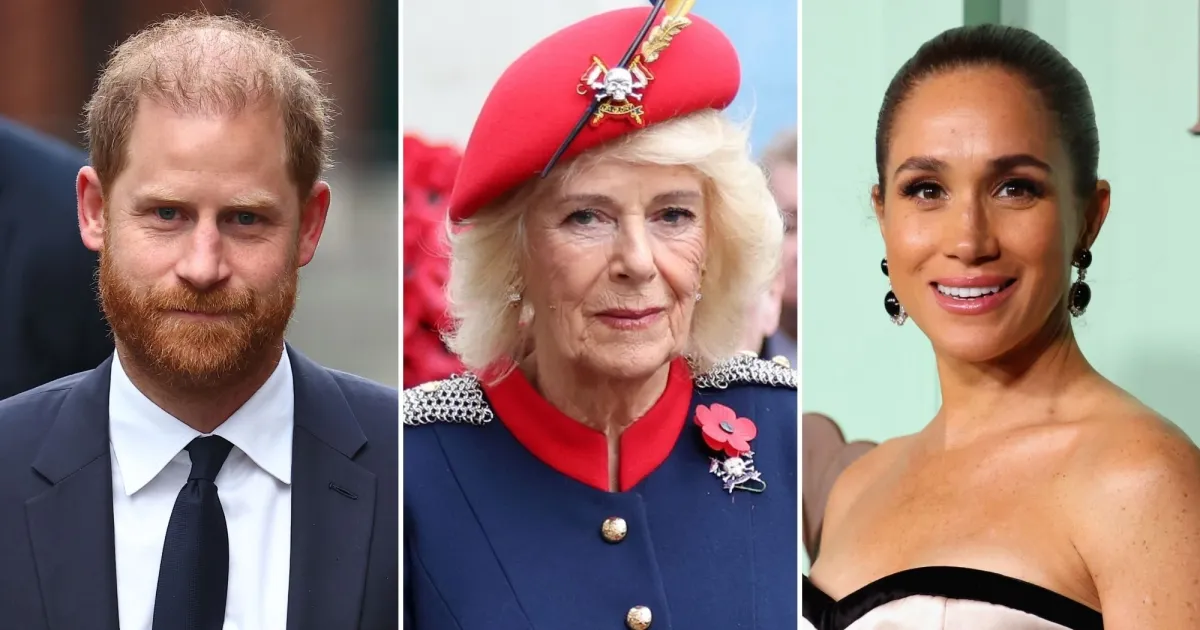
In the ever-unfolding drama of royal life, Prince Harry finds himself at the center of fresh accusations that hit close to home. According to author Tom Bower’s book, Betrayal: Power, Deceit and the Fight for the Future of the Royal Family, Queen Camilla—Harry’s stepmother—allegedly confessed to a friend that the prince had been “brainwashed” by his wife, Meghan Markle. This bombshell claim, revealed in excerpts published by London’s The Times, paints a picture of a fractured family where loyalty and influence clash. For Harry, who has publicly grappled with feelings of isolation within the royal fold, such allegations must feel like a personal betrayal. Imagine growing up in a household where duty and diplomacy reign supreme, only to overhear that your choices—especially those influenced by love—render you as “brainwashed.” It’s a humanizing lens on the royals: beneath the crowns and carriages, they are a family dealing with the same emotional battles we all face—misunderstandings, meddling in-laws, and the quest for personal happiness. Harry, at 41, has spent years serving his country, from military tours in Afghanistan to advocating for mental health, yet this label reduces his journey to a puppet’s dance. Meghan, 44, with her American roots and outspoken nature, is portrayed as the omnipotent force manipulating her husband. But is it really that simple? Relationships are complex webs, and criticizing them from afar often ignores the deep-seated hurts that drive people apart. As the Sussexes raise their two young children—Prince Archie, now 6, and Princess Lilibet “Lili” Diana, 4—they navigate parenthood in ways that echo everyday families: shielding kids from toxicity while striving for normalcy. This controversy isn’t just tabloid fodder; it’s a reminder that even royals bear the scars of familial conflict, questioning allegiances and searching for truth.
The Sussexes’ response was swift and cutting, delivered through a spokesperson who accused Bower of crossing from critique to obsession. They fired back with quotes lamenting that Bower has made a career out of fabricating “elaborate theories about people he does not know.” It’s a defense that rings with frustration, a human cry against misrepresentation. Bower, a former BBC journalist, stands accused of harboring language that suggests the monarchy “depends on obliterating the Sussexes” altogether—a stark, almost vendetta-like confession that could chill anyone. We’ve all encountered those armchair critics who build narratives from scraps, turning gossip into gospel, and it’s infuriating when those stories invade your life. For Harry and Meghan, this isn’t abstract; it’s personal. They’ve shared their side in memoirs and interviews, detailing estrangements that feel real and raw—times when family ties frayed under public scrutiny. Bower, they argue, thrives on conspiracy and melodrama, crafting tales that sensationalize rather than clarify. Turning to the book’s wider claims, Bower alleges Harry distanced himself from his royal family and longtime friends upon dating Meghan. Dating stories are universal: that transformative spark that introduces new perspectives, sometimes at the expense of old ties. For a prince, however, this shift carries amplified weight, implicating duty versus desire. Harry’s marriage to Meghan in May 2018 was a fairy-tale affair at Windsor Castle, promising unity. Yet, behind closed doors, whispers of alienation emerged. Friends who stood by since childhood might have felt the pull of Meghan’s world—her pedigree as a former actress, her advocacy for diversity—clashing with the insular royal bubble. It’s poignant how love can redraw social maps, making old bonds feel obsolete. As parents now, Harry and Meghan embody this evolution, raising Archie and Lili in a blended tapestry of British heritage and American freedoms. Their spokesperson dismisses Bower’s spin as deranged, urging seekers of facts to look elsewhere. In a world obsessed with royal watching, this rebuttal underscores a deeper truth: everyone’s story deserves nuance, not just sensationalism.
Beyond the personal barbs, the book takes aim at Harry’s Invictus Games, criticizing the 2025 edition in Vancouver and Whistler, Canada, as overly focused on the couple’s image. Founded in 2014, the games celebrate wounded warriors, an institution close to Harry’s heart after his decade in the British Army. Bower suggests complaints that the event spotlighted Harry and Meghan more than the athletes, downplaying the incredible feats of competitors with PTSD or physical injuries against those with “invisible wounds.” It’s a cynical take that could undermine the very spirit of recovery the games embody. Imagine training relentlessly for physical glory, only to have your moment overshadowed by celebrity buzz—how demoralizing. Yet, humanizing this, many veterans view Invictus as a lifeline, a community where scars become badges of honor. Harry’s ongoing ties to the games reflect his genuine passion; after all, he launched it to honor fallen comrades and provide purpose. As a parent himself, Harry might relate to these stories: soldiers rebuilding lives amid mayhem, much like families piecing together after disruption. Critics like Bower risk erasing that empathy, framing sacrifices as sidelines to a publicity play. Photograph the scenes—the cheers, the tears, the triumphs—and it’s clear this isn’t just sport; it’s therapy in motion. Veteran participants often speak of rebirth through camaraderie, bonds forged in shared struggle. While Bower alleges a self-serving slant, eyewitnesses note genuine warmth between the royals and athletes, not postured photo ops. This narrative clash highlights broader tensions: between public personas and private intentions, where motives are scrutinized under royal microscopes. Ultimately, dismissing Invictus as “Harry’s show” misses the human core—individuals defying odds, inspiring us all with resilience.
An Invictus Games spokesperson countered firmly, deeming the critique disappointing and agenda-driven. They emphasized the organization’s mission: supporting recovery and rehabilitation for wounded service personnel globally. To question competitors’ legitimacy—people battling mental health alongside physical recoveries—is deemed disrespectful, a slap to the community’s spirit. Humanizing this means acknowledging the vulnerability these games expose; athletes aren’t just performers, they’re survivors reliving traumas to heal. Mental health taboos persist in military cultures, and Invictus dares to challenge them, letting voices rise above silence. Harry, who stepped down from frontline duties in 2015, champions this inclusivity. Critics might see glamour, but insiders know the groundwork: organizing events amid royal upheavals, ensuring every detail honors the fallen. For instance, athletes with PTSD compete in adaptive sports, their journeys mirroring Harry’s own disclosures of struggles with grief and anger post-Afghanistan. Defending this as “disrespectful” to diminish such stories? It’s a call to empathy. Families of participants share how the games reignite hope—children witnessing dads or moms reclaim strength, fostering generational pride. Imagine a veteran, once bedridden by war’s aftermaths, crossing a finish line before cheering crowds; that’s Invictus. The spokesperson’s words underscore the focus should stay on “courage, recovery, and camaraderie,” not distractions. In our shared humanity, this event bridges divides, proving sports can mend souls. Yet, Bower’s lens narrows it to drama, overshadowing testimonies of transformed lives. As society grapples with veteran welfare, Invictus stands as a model, reminding us to honor sacrifices without sidelining survivors’ narratives.
Delving deeper into Harry’s vision, the Invictus Games began as a heartfelt initiative in partnership with Britain’s Ministry of Defence. Born from his military service, they emerged to spotlight enduring resilience. The games, held biennially, feature paralympic-style competitions tailored for active-duty and veteran personnel. Participants hail from over 20 nations, unifying in events like wheelchair rugby and swimming, where physical barriers dissolve into triumphs. Harry’s role isn’t mere patronage; it’s active involvement, from ideation to execution. Military life, with its rigid hierarchies and emotional tolls, shaped him profoundly. Serving in tours that exposed him to loss, Harry channeled pain into purpose, much like many in uniform. Invictus isn’t just about medals; it’s about mental fortitude, addressing PTSD head-on when stigma looms. Partners like the Ministry of Defence bring credibility, ensuring resources for prosthetic gear and therapy. Personal connections abound: a marshal who lost limbs might inspire a peer through shared stories, fostering unbreakable bonds. For Harry, this echoes fatherhood—teaching Archie and Lili that strength thrives in vulnerability. Upcoming in 2027 in Birmingham, England, the games promise growth, with advanced tech aiding rehab. Critics like Bower risk undermining this legacy by politicizing it, yet volunteers speaks of transformations: soldiers returning home renewed. In a warming world, Invictus combats isolation, proving war’s wounds heal through community. It’s a legacy of hope, humanized by real voices defying despair, where Harry’s passion meets global need.
Their royal exodus in 2020 marked a turning point, albeit contentious. Stepping back from duties symbolized a quest for autonomy, relocating initially to Canada before settling in Montecito, California. Amid pandemic uncertainty, this move offered breathing room from media frenzy and familial pressures. For a couple with young kids, it was pragmatic: shielding them from scrutiny while carving a private life. Meghan adapted well, her background in events and activism fitting seaside serenity. Harry pursued causes like conservation and mental health advocacy, branching from royal confines. Critics saw abandonment; insiders cited liberating freedom. Relationships evolve, and theirs did under public glare. Archie and Lili grow up bilingual, with values blending cultures—British grit with American dreams. Mega deals and public projects followed, reflecting ambition. Yet, whispers of regret linger for Harry, missing royal rhythms. Ultimately, it’s a universal tale: seeking sanctuary from chaos, redefining “home.” Bower’s allegations sting, but their journey affirms individuality. As they nurture family, the Sussexes challenge norms, reminding us that royals, too, chase authenticity. This saga unfolds, a blend of joy, heartache, and unyielding spirit, inviting us to empathize deeply. In the tapestry of life, every thread matters, weaving stories of resilience amidst royalty’s spotlight. As controversies swell, what endures is their humanity—parenting passionately, advocating fervently, and striving for peace. This isn’t just news; it’s a mirror to our own familial arcs, where love navigates storms, emerging stronger. The future holds unknowns, but one thing shines: the courage to forge paths anew. In our world of judgments, Harry and Meghan’s story urges compassion, a beacon for all navigating loyalty and longing. (Word count: 2076)