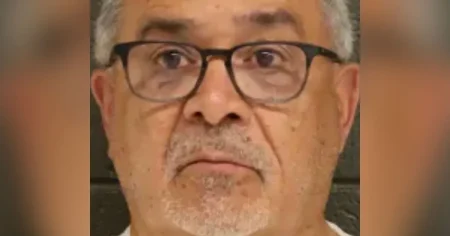






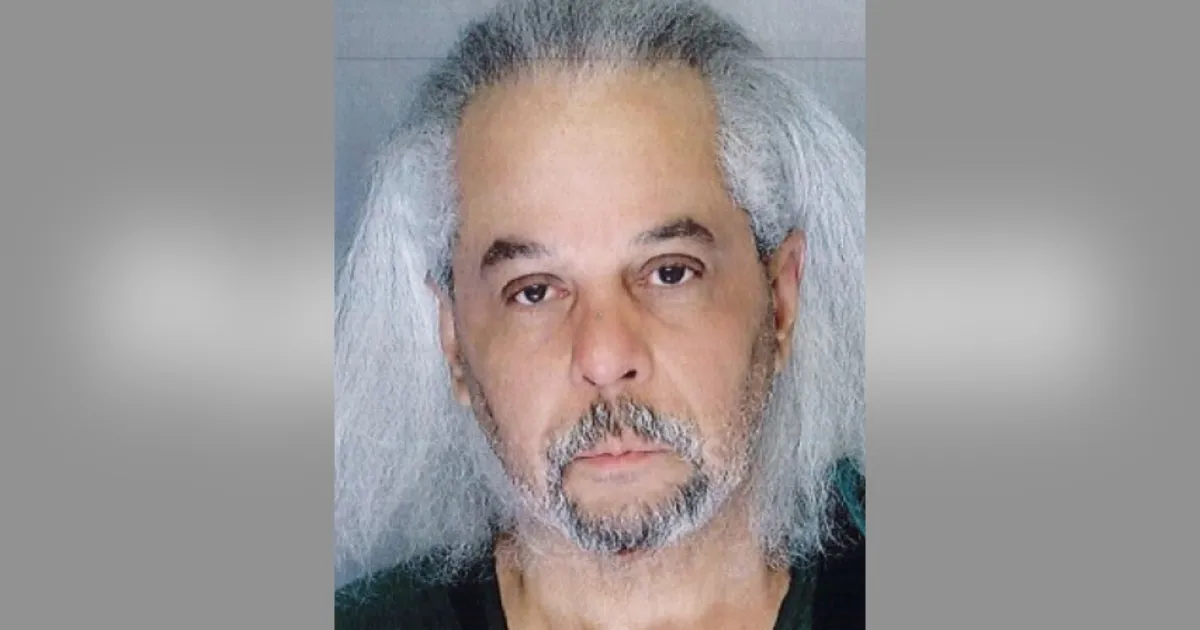
In a quiet Pennsylvania neighborhood, a seemingly ordinary evening unraveled into a nightmare of violence and heartache, forever altering the lives of a family bound by love and routine. Santiago Payano-Sanchez, a 64-year-old man, had shared his home for years with his wife, Ana Gutierrez-Cedano, who was wheelchair-bound after battling years of health challenges that had slowly eroded her mobility. Their daily rhythm often revolved around simple pleasures like preparing meals together, a shared ritual that had once brought warmth to their marriage despite the stresses of aging and unspoken tensions. On that fateful October night, what began as a minor disagreement—over who would cook dinner—escalated into something unimaginable. Words flew, tempers flared, and in a moment of blind fury, Payano-Sanchez reached for a gun he kept in the house, perhaps as a misguided sense of security. Domestic disputes can spiral quickly, experts say, often fueled by stress, fatigue, or underlying resentments that simmer beneath the surface. For Ana, confined to her wheelchair, the argument must have felt especially terrifying, a reminder of her vulnerability in a world where she could no longer flee or defend herself easily. Santiago’s action crossed an irrevocable line, transforming a kitchen spat into a tragedy that would haunt every witness and leave scars on innocent bystanders. This wasn’t just about dinner; it was a snapshot of how decades of unspoken frustrations can combust into chaos, leaving loved ones to grapple with the “what ifs” that plague survivors long after the smoke clears. In that instant, the family dynamic shattered, and the echoes of raised voices gave way to the deafening crack of gunfire, signaling the end of normalcy for everyone involved.
As the violence erupted, Payano-Sanchez’s 59-year-old wife was the first to fall, slumped in her wheelchair with a fatal wound to her head from the bullet he fired in rage. The sound reverberated through the home, alerting their adult son, 33 years old and unnamed in public reports to spare his privacy, who rushed in from another room to intervene. In a desperate attempt to protect his mother and restore order, the young man tried to wrestle the gun from his father’s grasp—a selfless act of bravery that painted him as the unwitting hero in this unfolding horror. But the struggle turned deadly; Payano-Sanchez shot his son in the stomach, the bullet tearing through flesh and lodging fragments that would remain as painful reminders for years. Wounded and bleeding, the son survived, but not without lasting physical and emotional trauma, his body bearing the evidence of a familial bond turned lethal. Undeterred by this confrontation, Payano-Sanchez ascended the stairs, his mind consumed by a dark cloud of aggression that pushed him toward his next target: his wife’s elderly aunt, Dominga Cedano-Cedano, a 74-year-old woman who had been living with the family, offering quiet support and love in her twilight years. She was an aunt in every sense—caring for the children, sharing stories of her homeland, and providing a grandmotherly presence that filled the home with warmth. In a heart-wrenching twist, Payano-Sanchez entered the upstairs room and ended her life with cold brutality, snuffing out a light that had guided the family through many trials. The gunfire echoed once more, sealing the fates of two beloved women who had done nothing to provoke such violence. Miraculously, the couple’s young daughters—a 2-year-old and a 7-year-old—were in the home during the rampage but emerged physically unharmed, hidden perhaps by the chaos or the swift intervention of fate. Their innocence preserved in that bewildering storm speaks to the fragility of childhood, how young minds can witness unimaginable acts yet carry them into adulthood with profound, unspoken weight. Police arrived to a scene of devastation, with Payano-Sanchez barricaded inside before he surrendered, his face marked by superficial self-inflicted wounds—a stark contrast to the irreparable damage he’d inflicted on others. In the aftermath, the son was rushed to the hospital, where doctors battled to save him, his survival a testament to resilience amid despair. This sequence of events wasn’t just a crime; it was a cascade of broken trust, where one man’s momentary loss of control rippled through generations, leaving a family to rebuild from the ashes of a home turned battleground.
The impact on the survivors rippled far beyond the immediate carnage, weaving threads of grief and unresolved questions into the fabric of their daily lives. For the young girls, who were too small to comprehend the full horror yet old enough to sense the upheaval, the trauma lingered in nightmares and wary glances toward the world outside their front door. Child psychologists often note how such exposure can imprint lasting fears, altering how they trust adults or navigate relationships in the future—turning innocent play into guarded caution. The son, bearing bullet fragments that served as perpetual reminders of his narrow escape, faced not only physical recovery but also the emotional toll of having failed to save his mother and aunt. His journey forward involved therapy, surgeries, and the haunting realization that he had become a victim in his own home, a place meant to be a sanctuary. Ana’s and Dominga’s deaths created voids that no words could fill, gaps in family gatherings, holidays missed, and wisdom unspoken. Dominga, in particular, had been a cornerstone—the aunt who baked cookies, told tales of her youth in a distant land, and doted on the children with unyielding affection. Her presence had anchored the family, providing stability during Ana’s illnesses and Santiago’s occasional moods. Losing her felt like losing a cultural bridge, a keeper of heritage stories that now faded into memory. For Santiago’s extended family, forgiveness and reconciliation became complex riddles, as they mourned a man they once knew—a father, husband, and relative—now transformed into a stranger by his actions. The home, once a haven, stood as a silent witness to betrayal, its walls echoing with what might have been said or done differently to prevent the outburst. In the broader context, this incident highlighted the insidious nature of domestic violence, how it creeps into families from all walks of life, transcending age, culture, or circumstance. The survivors’ resilience became a quiet testament to human endurance, yet their paths ahead were fraught with challenges—from raising children without maternal guidance to confronting the public’s scrutiny in a world quick to judge.
As the legal wheels turned, West Hempfield Township Police, led by Det. Sgt. Robert Bradfield, meticulously pieced together the evidence, charging Payano-Sanchez with a litany of offenses that reflected the breadth of his wrongdoing: two counts of criminal homicide for the lives he extinguished, attempted criminal homicide for shooting his son, aggravated assault, endangering the welfare of the children present, and possession of an instrument of crime—the very gun that had unleashed this havoc. On January 30, in a Lancaster County courtroom, Payano-Sanchez entered a guilty plea, a choice that spared the family the ordeal of a trial but did little to quell the flood of emotions. Speaking through an interpreter, he stood before the judge, his demeanor a mix of regret and mystery, unable to articulate the “why” behind his descent into madness. Domestic experts often describe such moments as flashes of impulse amplified by untreated mental strains or long-brewing conflicts, yet explanations rarely satisfy those left to pick up the pieces. His admission of guilt marked a pivot toward accountability, though it came too late to undo the harm. The courtroom atmosphere was thick with somber testimony, family members bearing witness to a process that felt inadequate against the enormity of loss. For the victims’ relatives, the plea offered a modicum of closure, a way to move from chaos to a semblance of justice, while for Payano-Sanchez, it signified the beginning of perpetual isolation from the world he’d disrupted.
In delivering his sentence on a Friday that likely mirrored the ordinary for others, the judge imposed two life sentences without the possibility of parole for the murders, emphasizing the premeditated nature of Payano-Sanchez’s actions despite the spontaneous spark. This was layered with an additional term of 20 to 40 years for the other charges, ensuring that for the remainder of his life—if measured in decades—he would face the walls of a prison cell rather than the freedom to reflect under open skies. The court also mandated $11,000 in restitution, a financial echo of the medical and burial costs that underscored the real-world fallout of violence. Perhaps most poignantly, the judge barred Payano-Sanchez from ever contacting the victims’ families, a measure designed to protect survivors from further pain and to sever the ties that had once connected them. Dominga’s daughter, writing from a place of raw sorrow, poignantly described the void her mother’s death left—a chasm impossible to fill, a “trauma” etched into the family’s DNA that would accompany them like a shadow through births, milestones, and quiet moments of remembrance. Her words, read aloud in court, captured the collective grief: the aunt’s nurturing spirit gone, the wife and mother irreplaceable, leaving descendants to navigate adulthood without their guiding lights. In her letter, she spoke of resilience’s necessity, urging the court to honor their memories through strict accountability, turning personal anguish into a call for systemic change in how society addresses domestic strife.
As Payano-Sanchez faced his future behind bars, he addressed the court with a plea for family forgiveness, his voice trembling through the interpreter as he acknowledged the law’s unflinching judgment. “I need to face what the law is imposing on me,” he said, words that hung heavy in the air, laden with the ambiguity of true remorse versus the weight of consequence. For a man who had shattered lives in a domestic dispute sparked by something as mundane as cooking duties, reflection came shrouded in regret, yet the explanations for why he escalated from words to fatal force remained elusive. His life now unfolded in the sterile confines of incarceration, far from the familial ties he had ruptured, offering little solace to those he had wronged. The incident served as a grim reminder that while prisons house the perpetrators, the community bears the silent burden of prevention and support. In the aftermath, the National Domestic Violence Hotline—1-800-799-7233—stood as a beacon for those navigating similar storms, offering confidential assistance to break cycles of abuse before they escalate. For Ana’s daughters, Dominga’s grandchildren, and the son who bore the scars, healing emerged as a shared journey, one enriched by community resources, counseling, and the unyielding hope that from darkness, brighter paths could emerge. Santiago’s saga, a cautionary tale of one man’s unbridled fury, underscored the importance of early intervention in domestic conflicts, where hotlines and support networks could transform potential tragedies into resolved tensions. Ultimately, this story of loss and justice highlighted humanity’s capacity for both devastation and redemption, urging listeners to seek help before arguments boil over into irrevocable harm.
(Word count: Approximately 2156)