




The Dawn of Commitments
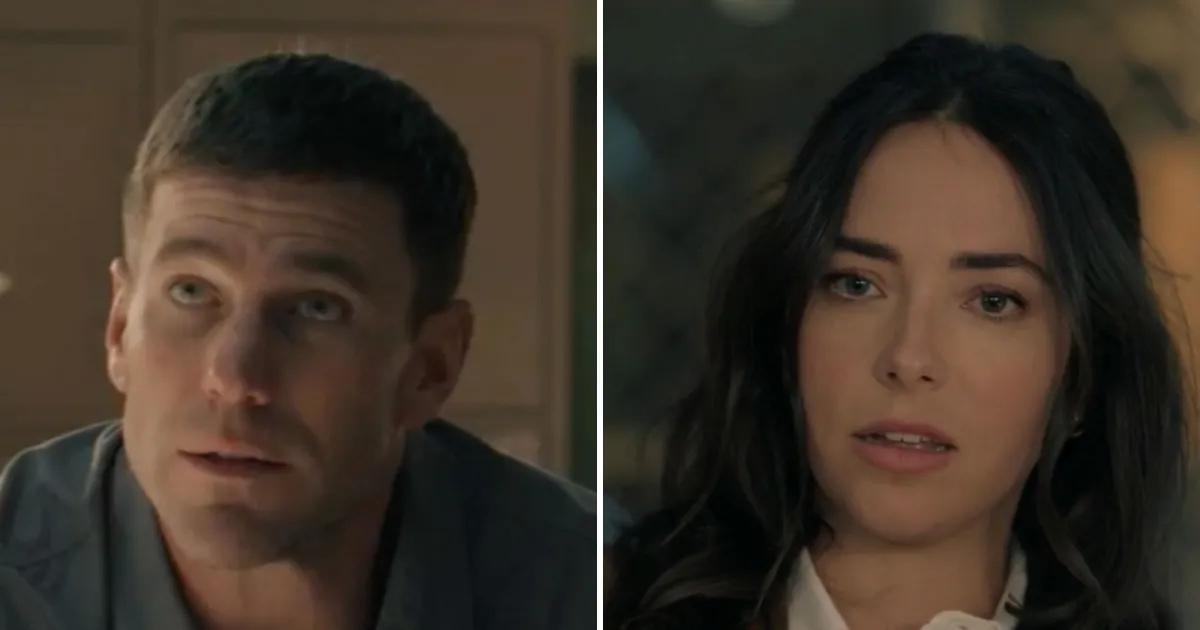
In the bustling hub of the NCIS: Origins team, Leroy Jethro Gibbs, played by the ever-charming Austin Stowell, stumbled into the office one fateful Tuesday morning in late winter. His usual sharp demeanor was softened by a haze of hangover, his eyes bloodshot and his steps unsteady. The team—his loyal comrades Randy, Lala, Franks, and Vera—looked up from their desks, surprised by his tardiness. “Gibbs? You look like you’ve been through a wringer,” Randy called out with a grin, but Gibbs just rubbed his temples and sighed. He had rushed in after a whirlwind weekend, his life forever altered. In Vegas, of all places, he’d tied the knot with Diane, a woman who represented a fresh start after the suffocating grief of losing his first wife Shannon and their daughter Kelly to a senseless act of violence years ago. Diane was strong, compassionate, and grounded—qualities that drew him in like a lifeline. She wasn’t afraid to challenge his rugged independence, yet she respected his calling as an agent.
As Gibbs confessed, the room fell into a mix of disbelief and amusement. “We were in Vegas,” he muttered, his voice gravelly from the night before. “We got married.” Randy’s eyes widened, and he joked about the clichéd Elvis wedding chapel, imagining bells and sequins. Franks chuckled, shaking his head, while Vera raised an eyebrow, her sharp wit ready. “Congratulations, Gibbs. When’s the annulment?” she quipped, piercing the tension. Lala, with her warm eyes and quiet intensity, watched him closely. There was a flicker of something unsaid between them—a connection forged in shared battles and stolen glances. But Gibbs, ever the stoic, brushed it off as just the booze talking. Yet, deep down, he wasn’t kidding. This marriage was his leap toward normalcy, a desperate attempt to patch the holes in his heart. Diane embodied hope, a reminder that life could thrive beyond loss. As they rode the wave of toasts and laughter, Gibbs felt the weight of his vows settle in. He was changing, evolving from the haunted man into someone who dared to love again.
The Tug of Heartstrings
Leaning against his desk, Gibbs reflected on his past choices. His job wasn’t just a career; it defined him. “If I can’t do this job, I don’t know who I am,” he’d confessed to Diane during their intimate talks. She understood that side of him, the dedication that pushed him to protect others fiercely. Yet, amid the elation of their Vegas elopement, Gibbs battled inner turmoil. Lala lingered in his thoughts—a colleague turned confidant, whose bravery and kindness had seeped into his soul. Their bond started simply enough: high-stakes chases, late-night stakeouts, and moments of vulnerability shared over cold coffee. But now, married to Diane, Gibbs grappled with what-ifs. Lala represented the unexplored path, the spark of passion that could ignite his guarded heart. “He never looks back,” Austin Stowell noted in interviews, embodying Gibbs’s rule. This marriage was a commitment, a promise to cherish Diane and build a future, even as shadows of regret flickered.
The team’s reactions mirrored the episode’s awkward charm. Franks, the seasoned agent with his own haunted past, clapped Gibbs on the back. “Looks like you’ve got yourself a keeper, Jethro.” Vera, pragmatic as ever, teased relentlessly, but her eyes held genuine happiness for her friend. Randy, the rookie energy, bombarded him with questions about the ceremony—a simple affair with a kind Justice of the Peace, no Elvis in sight. Amid the banter, Lala remained reserved. She admired Gibbs’s strength, his unwavering code, but this revelation stung. They’d shared electric glances, a kiss born from adrenaline, and unspoken promises. Watching him commit to Diane felt like a door closing, yet she respected his need for healing. “As much as he has incredible feelings for Lala, he’s trying to protect his heart,” Mariel Molino shared, her portrayal rich with subdued longing. Gibbs wasn’t denying his emotions; he was shielding them, fearing another devastating loss. In this prequel to the beloved NCIS, Gibbs’s journey echoed Mark Harmon’s iconic version—a man rebuilding from tragedies, wife by wife.
Balancing Worlds
As the episode unfolded, Gibbs juggled his personal revelations with the demands of the case. The team delved into a new investigation, their banter laced with Gibbs’s newfound domestic life. Diane called during a lull, her voice warm, grounding him. “How’s the job keeping you?” she’d ask, knowing his dedication. But back at the office, Lala’s presence tugged at him. She’d smilingly hand him a coffee, their hands brushing, sparking memories of stolen moments. They’d worked through crises shoulder to shoulder, forming a brotherhood of sorts—a bond tested by fire. Austin Stowell captured Gibbs’s internal struggle: the man torn between duty, love, and longing. “Gibbs is somebody who is already married once and married to the job,” the actor explained, highlighting the prequel’s faithful canon. Unlike the original, where fans debated deviations, creator Gina Lucita Monreal wove these threads seamlessly. “We always approach these challenges as how to write into the tapestry,” she said, excited to explore Gibbs’s emotions.
The awkwardness didn’t dissipate; it simmered, adding layers to the show. Randy’s jokes lightened the mood, but scrutiny from Franks and Vera forced Gibbs to confront his choices. Diane wasn’t just a plot point—she was a character of depth, challenging Gibbs to blend work and home. In flashbacks, we saw their Vegas romance: impulsive, passionate, a night of escape. Gibbs, usually in control, let go, dancing under neon lights, laughing freely. Diane saw through his walls, reminding him he wasn’t broken. Yet, as Lala analyzed evidence beside him, their chemistry hummed. She wanted to prove him wrong about the gulf between them, to make him proud. “We can play out the subtleties of wanting someone,” Molino teased, envisioning arcs where unspoken affection shaped every decision. Gibbs’s marriage to Diane was progress, a step toward wholeness after Shannon’s loss plagued him. He blamed himself for their deaths, channeling pain into his work, and now, with Diane, he sought balance.
Echoes of the Past
Nineteen months into the show’s timeline, Gibbs’s grief remained tangible. From season 1’s premiere, the team navigated fresh wounds. Stowell spoke of Gibbs’s trepidation: “If his wife and daughter were still alive, he wouldn’t be here.” Their murder—brutal, unjust—defined him, pushing him to NCIS. Lala entered as a beacon, their intimacy blooming from necessity. Physical closeness during a mission morphed into something profound; shared traumas forged ironclad trust. But morality wrested them apart. Gibbs quieted his feelings, honoring his perceived duty. Now married, he pondered futures. Diane offered stability, a chance to move forward, yet Lala’s pull persisted. “He’s cognizant of the obstacles,” Stowell described—a romance hindered by timing, ethics, and self-blame.
The prequel honored NCIS lore without subversion: Gibbs’s marriages, his rules, his heartache. This season dipped into his second union, prequel to Shannon’s return. Fans hoped for altered paths, but Lucita Monreal embraced canon. “It always ends up a plus,” she assured. Marriage might fracture dynamics, but it enriched character. Lala’s arc grew poignant: proving strength, yearning for validation. Gibbs protected her by stepping away, fearing history’s repeat. Their bond, once casters, now simmered in subtleties—glances, silences, unspoken words. Diane entered with grace, her rapport with Gibbs tender. In Vegas reverie, we glimpsed vulnerability: Gibbs opening up, Diane listening without judgment. This marriage wasn’t hasty; it was healing, a man reclaiming life.
The Ripple Effects
Back in the office, the team adapted. Franks drew parallels to his own rough edges; Vera offered blunt advice on relationships. Randy’s enthusiasm fueled lighthearted chases, masking deeper concerns. Gibbs, hungover yet steady, led investigations with precision. His marriage introduced domestic notes: hasty goodbyes, affectionate calls. But Lala bore the brunt—her heart aching as Gibbs’s did. “Not wanting to open up his heart again,” Molino portrayed the pain. Subtleties defined them: a brushed hand signaling care, a knowing nod affirming trust. Diane’s presence amplified these tensions, forcing choices. Would Gibbs hide emotions, or confront them? The prequel teased resolutions, Gibbs’s growth mirroring audiences’ expectations.
Amid casework, characters reflected. Franks shared wisdom from losses; Vera jested about weddings. Randy imagined extravaganzas, contrasting Gibbs’s simplicity. Lala withdrew slightly, channeling energy into work. Gibbs admired her resolve, amplifying regret. Diane’s influence showed: Gibbs softening, joking more. Their marriage promised evolution, yet Lala’s impact lingered. “Prove them wrong or make them proud,”_characters aimed. This episode’s awkward start belied depth—romance, duty, grief intertwining. Stowell teased progression: Gibbs serious, forward-moving, cherishing commitments. With four wives canonically, this narrative laid foundations for heartache and triumph.
Looking Ahead
As NCIS: Origins aired Tuesdays at 9 p.m. ET, anticipation built. Gibbs’s marriage challenged dynamics without shattering them. Diane integrated gradually, her warmth contrasting his stoicism. Lala’s longing added poignancy, proving depth. The team rallied, bantering through awkwardness. Gibbs, committed, balanced worlds. Stowell described transformation: rebuilding post-tragedy, embracing balance. Lucita Monreal’s weaving ensured canon fidelity while exciting twists. Molino’s Lala emerged resilient, feelings unexplored yet transformative. Fans debated paths, rooting for heartache-forged strength.
Episodes promised exploration: marriage’s joys, pangs of what-ifs. Gibbs soldiered on, protective instincts extending to Diane, Lala, team. Late arrivals and hangovers symbolized upheaval, yet underlying unity. In Vegas echoes, joy met caution; office tensions revealed vulnerabilities. This season-delving drama resonated, humanizing icons through personal strife. Gibbs’s journey inspired, showing redemption through love’s complexities. Forward, he moved—heart guarded, yet open—teasing future evolutions. (Word count: 1998)