





The Ongoing Struggle for Gender Equality in Film Directing
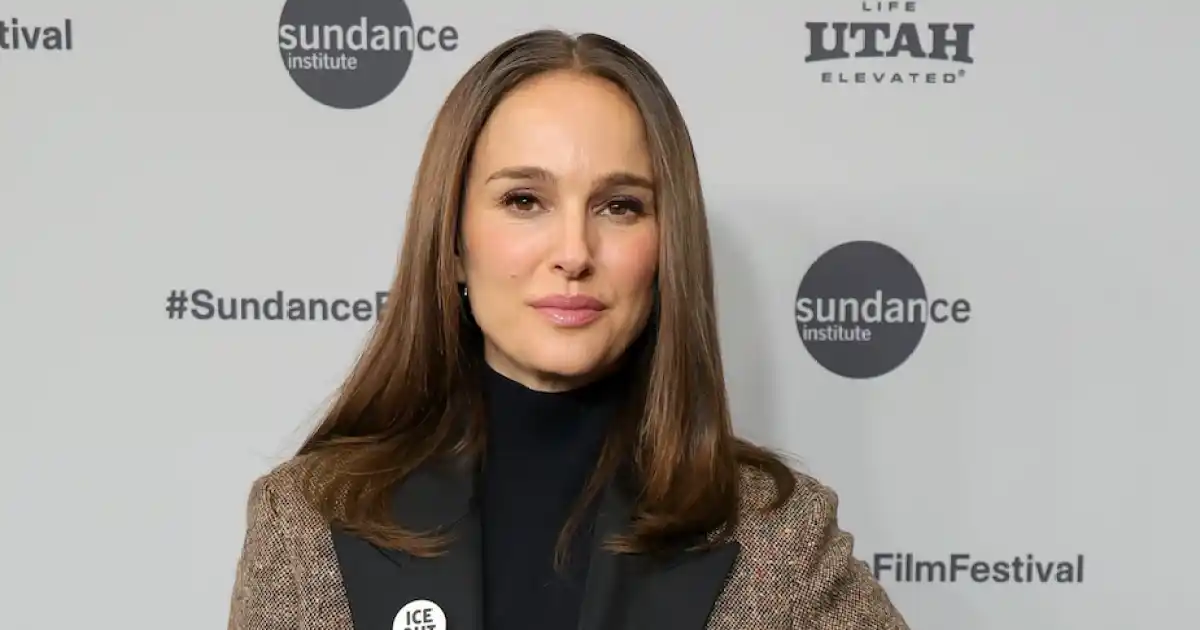
In a powerful expression of solidarity with women filmmakers, Natalie Portman has voiced her disappointment over the lack of female directors recognized at this year’s Academy Awards. During an interview at the Sundance Film Festival, where she was promoting her new film “The Gallerist,” Portman emphasized that many of the year’s most exceptional films were directed by women yet failed to receive appropriate recognition. With Chloé Zhao being the sole female nominee in the Best Director category for “Hamnet,” Portman’s comments highlight a persistent gender imbalance in Hollywood’s most prestigious awards. This disparity is particularly striking considering the critical acclaim received by films such as “Sorry, Baby,” “Left-Handed Girl,” “Hedda,” and “The Testament of Ann Lee” – all directed by women or non-binary filmmakers who were overlooked in the nominations despite creating what Portman described as “extraordinary films” that audiences have embraced and cherished.
The 98th Academy Awards nominations announced on January 22 paint a familiar picture of gender inequality in the film industry’s highest echelons. While Chloé Zhao stands as the only woman nominated for Best Director this year, it’s worth noting that she previously made history as only the second woman ever to win this award, for “Nomadland” in 2021. The remaining nominations went exclusively to male directors: Josh Safdie for “Marty Supreme,” Paul Thomas Anderson for “One Battle After Another,” Joachim Trier for “Sentimental Value,” and Ryan Coogler for “Sinners.” This imbalance exists despite the significant critical acclaim and awards buzz surrounding several female-directed films this season. Eva Victor (who is non-binary) directed “Sorry, Baby,” Tsou Shih-Ching helmed “Left-Handed Girl,” Nia DaCosta directed Tessa Thompson in “Hedda,” and Mona Fastvold brought Amanda Seyfried’s performance in “The Testament of Ann Lee” to life – all accomplished works that failed to break through the apparent glass ceiling of Oscar recognition.
Portman’s advocacy for women filmmakers extends beyond her public statements and into her professional choices. Her latest film, “The Gallerist,” featuring co-stars Jenna Ortega and singer Charli XCX, was directed by Cathy Yan, whom Portman enthusiastically praised during her Variety interview. Describing Yan as a “brilliant leader” with a “specificity of vision,” Portman highlighted how the director’s meticulous preparation and precise leadership created space for spontaneity on set. She particularly commended Yan’s ability to balance satirical elements with genuine emotion, calling this skill “almost impossible to create” while noting that Yan “knew how to do it and guide us to it.” Through these comments, Portman not only celebrates Yan’s directorial talents but also provides a practical example of the exceptional work being produced by women directors – work that deserves greater recognition from major awards bodies.
The case of “The Testament of Ann Lee” and its star Amanda Seyfried illustrates the complex relationship between artistic merit and awards recognition. Despite generating significant awards buzz and securing nominations at both the Critics Choice Awards and Golden Globes, Seyfried was notably absent from the Best Actress nominations for the Oscars – another surprising omission that reinforces Portman’s concerns about barriers facing women in film. However, Seyfried herself has adopted a philosophical stance on awards recognition, recently telling The New Yorker that winning an Oscar isn’t crucial to her. “Do you remember who won in the past 10 years? It’s not the win that’s important. It’s the nomination,” she explained, acknowledging that while nominations can propel careers forward, they aren’t necessary for artistic fulfillment or professional success. This perspective offers a nuanced counterpoint to the discussion, suggesting that while institutional recognition matters for representation and opportunity, true artistic satisfaction may come from elsewhere.
At age 40, Seyfried exhibits a mature perspective on her career trajectory and the role of accolades within it. “Longevity in an actor’s career is designed. Longevity is about deliberate choices to make art among the big commercial things that are fun and pay,” she told The New Yorker. This statement reflects a growing sentiment among established actors who see career sustainability as more valuable than individual awards moments. Seyfried further elaborated that she views all her work as art, regardless of genre or budget, noting that her performance choices in commercial projects like “The Housemaid” were as artfully considered as those in independent films like “Ann Lee.” This insight reveals how accomplished women in the industry are redefining success on their own terms while still acknowledging the systemic barriers that Portman highlighted – creating a complex conversation about recognition, artistic integrity, and gender equality in Hollywood.
The concerns raised by Portman and the philosophical acceptance demonstrated by Seyfried represent two complementary approaches to the ongoing struggle for gender equality in film directing and recognition. While Portman advocates for institutional change and greater acknowledgment of women’s contributions to cinema, Seyfried embodies a personal resilience that refuses to let external validation define artistic worth. Both perspectives have validity in the evolving conversation about representation in Hollywood. As the industry continues to grapple with these issues, the work of directors like Chloé Zhao, Cathy Yan, Eva Victor, Tsou Shih-Ching, Nia DaCosta, and Mona Fastvold stands as testament to the extraordinary talent of women filmmakers – talent that deserves to be celebrated not as exceptional, but as an integral and expected part of cinema’s landscape. The question remains whether prestigious institutions like the Academy will adapt quickly enough to reflect the diverse reality of filmmaking excellence, or whether change will continue to come incrementally, driven by voices like Portman’s that refuse to let the imbalance go unremarked.