




Michelle Obama’s Clear Stance on Barack’s Hypothetical Third Term
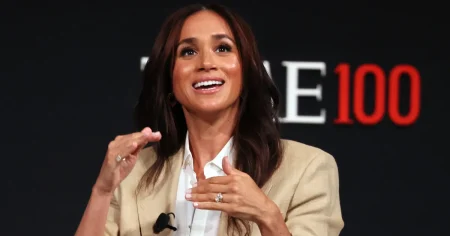
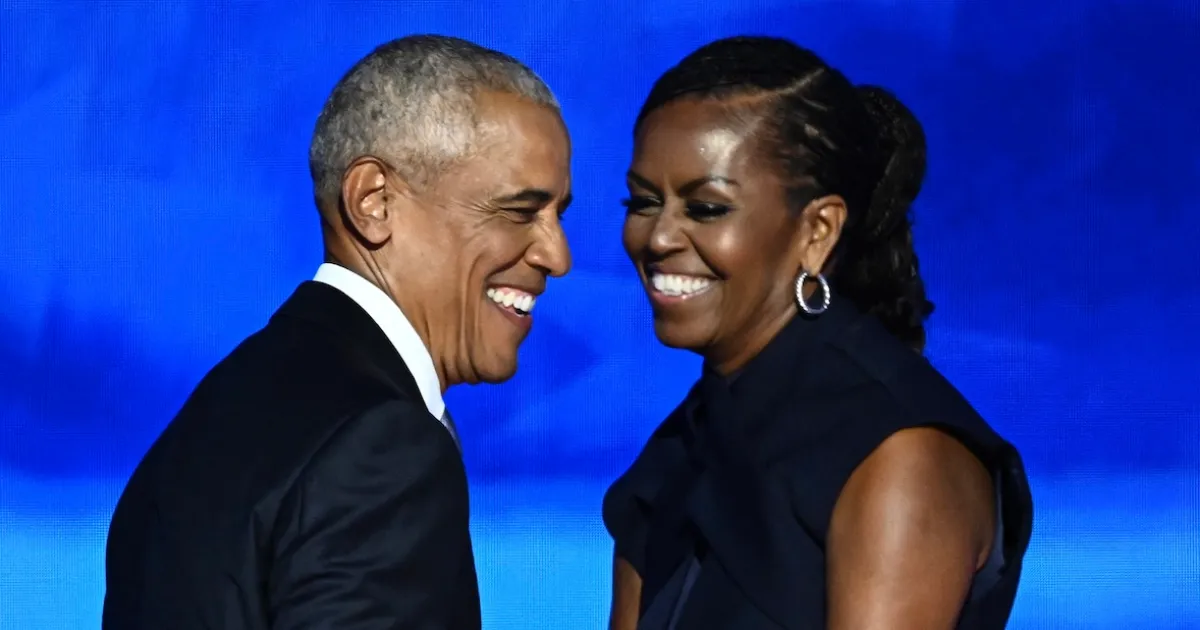
In a candid conversation on the “Call Her Daddy” podcast with host Alex Cooper, former First Lady Michelle Obama firmly expressed her opposition to the idea of her husband, Barack Obama, potentially running for a third presidential term. When presented with the hypothetical scenario of President Trump changing constitutional term limits, Michelle’s response was unequivocal: “I hope not. I would actively work against that.” Her statement reflects not just personal preference but a deeper belief in the importance of political renewal and fresh perspectives in leadership. The former First Lady emphasized that eight years in the presidency is sufficient, highlighting the need for new energy and approaches to address the rapidly changing challenges facing the nation. Her perspective offers interesting insights into how she views leadership succession and democratic renewal in America.
Michelle’s rationale extends beyond personal concerns to embrace a broader vision for American democracy. “We’re changing and growing so fast. This is a hard job, and it requires new energy, new vision all the time,” she explained, underscoring the importance of adaptability in governance. Her comments point to a recognition that effective leadership must evolve with the times and that fresh perspectives are essential for addressing emerging challenges. By advocating for term limits, Michelle implicitly endorses the wisdom embedded in the 22nd Amendment, which was designed to prevent the consolidation of presidential power. Her stance stands in contrast to suggestions from some political figures who have hinted at extending presidential terms beyond the constitutional limit of two. For Michelle, the principle of rotation in office serves not just as a constitutional safeguard but as an essential mechanism for fostering political innovation and responsiveness.
The former First Lady’s comments also reveal her commitment to nurturing new leadership talent and creating opportunities for younger generations to shape the nation’s future. “There’s so many talented people out there. Why would we keep going to the same people?” she asked rhetorically, challenging the tendency to rely on established political figures. Michelle articulated a vision where seasoned leaders make room for emerging voices, creating a healthy balance between experience and innovation. “How are we gonna build young leaders if the same people keep doing it again and again and again,” she questioned, highlighting the potential stagnation that could result from extended tenures. Her perspective suggests a belief that democracy thrives through the continuous introduction of diverse viewpoints and experiences, rather than through prolonged individual leadership.
Michelle’s advocacy for generational renewal in politics reflects her understanding of the unique perspectives that different age groups bring to governance. “The older you get, you just live a different life as an older, established person,” she observed, acknowledging the inevitable distance that develops between long-serving leaders and the evolving realities faced by citizens. While recognizing the value of accumulated wisdom, she emphasized that “there’s room for new ideas to come in” – a balanced view that respects experience while prioritizing innovation. This perspective resonates with broader debates about representation in American politics, where questions about the average age of elected officials and their connection to contemporary issues have become increasingly prominent. For Michelle, the solution lies in creating pathways for emerging leaders to contribute their “new set of experiences” and “new take on the world.”
The former First Lady’s conviction about term limits transcends partisan considerations, positioning it as a principle applicable to all political leaders regardless of party affiliation. “I think two terms is enough for everybody. It’s not a question of what order,” she stated, suggesting that regular leadership turnover serves the collective interest rather than any particular ideology. Michelle expressed curiosity about the “perspectives on how to fix some of this stuff” that new leaders might offer, acknowledging the limitations of any single administration’s approach. Her humble admission that “We don’t have all the answers and that’s OK. That’s why we move on” demonstrates a refreshing recognition of the inherent incompleteness of political solutions and the need for continuous renewal. This perspective frames leadership transition not as an admission of failure but as a natural and necessary part of democratic governance.
The podcast conversation also touched on the Obamas’ personal life, contextualizing Michelle’s political views within her family experience. Having weathered public rumors about their marriage and navigated the complex transition from White House life, the Obamas have maintained their partnership while continuing to evolve as individuals. Barack himself has acknowledged past challenges in their relationship, noting that after his presidency ended, he was “in a deep deficit” with Michelle and has been “trying to dig myself out of that hole.” This glimpse into their personal dynamics adds depth to Michelle’s political stance, suggesting that her advocacy for term limits may be informed not only by democratic principles but also by firsthand knowledge of the toll that high office takes on individuals and families. As they continue their post-presidential lives, the Obamas exemplify the graceful transition of power that Michelle champions – moving forward to new challenges while allowing others to take the leadership reins.