






Meghan Trainor’s Husband Navigates Mom Group Drama
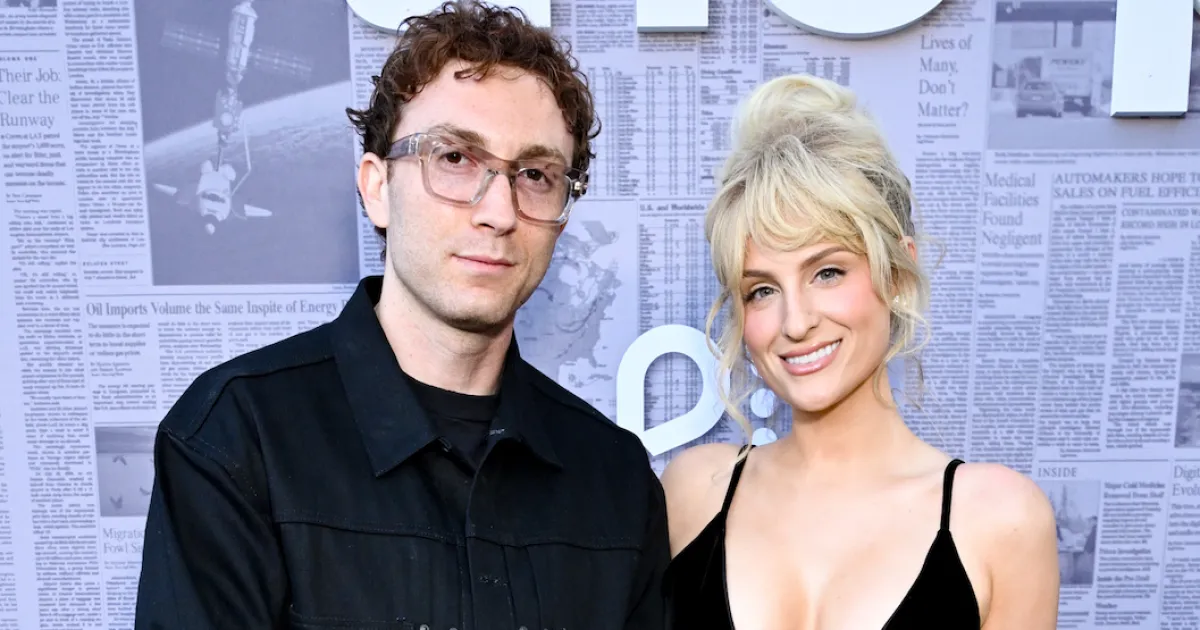
In a recent turn of events that has captured public attention, Daryl Sabara, husband of pop star Meghan Trainor, has addressed the swirling controversy surrounding Ashley Tisdale French’s widely discussed article about a “toxic” mom group. When approached by TMZ reporters on January 8, the 33-year-old Spy Kids actor maintained a diplomatic stance, stating simply, “No drama over here, just trying to keep the kids happy.” This casual response suggests Sabara’s desire to distance himself from the growing social media speculation while focusing on his family life with Trainor and their two young sons, Riley, 4, and Barry, 2. Despite his apparent detachment from the situation, Sabara expressed genuine concern for French’s wellbeing, adding, “I don’t really know what’s going on. I hope she’s okay though.” His measured response contrasts with the escalating public interest in what has become something of a celebrity mom group mystery.
Meanwhile, Trainor herself has entered the conversation in a characteristically playful manner. The 32-year-old singer took to TikTok on the same day as her husband’s comments, posting a short clip of herself typing at a computer while her aptly titled song “Still Don’t Care” played in the background. She captioned the video “Me finding out about the apparent mom group drama” with three tea emojis, suggesting both her awareness of the situation and perhaps her bemusement at finding herself tangentially involved in the controversy. This light-hearted response, neither confirming nor denying her connection to French’s account, has only fueled public curiosity about the dynamics of celebrity mom friendships in Hollywood—particularly as Trainor has been frequently photographed at playdates with French, Mandy Moore, and Hilary Duff, all mothers of young children around similar ages.
The controversy originated with French’s personal essay published in The Cut titled “Breaking Up With My Toxic Mom Group,” where she detailed feelings of exclusion and discomfort within a friendship circle of fellow mothers. While French never explicitly named anyone in her article, she described painful experiences of being “frozen out” of the group and discovering their gatherings without her through social media. “I remember being left out of a couple of group hangs, and I knew about them because Instagram made sure it fed me every single photo and Instagram Story,” French wrote, describing the particular sting of digital exclusion that many modern parents can relate to. She ultimately described ending her participation in the group with a text message stating it felt “too high school for me, and I don’t want to take part in it anymore”—a decisive action that resonated with many readers who have experienced similar social dynamics in their adult friendships.
The article struck a chord with many parents who have navigated complex social landscapes while raising children, but speculation quickly turned to identifying which celebrity moms might have been part of this group. French has been publicly seen socializing with several high-profile mothers including Trainor, Moore, and Duff, leading many to assume these women were the subjects of her essay. However, a representative for French quickly moved to quell this speculation, releasing a statement to TMZ clarifying that the article was intended to highlight a relatable issue for women who have experienced social exclusion, rather than targeting any specific individuals. This clarification attempts to shift focus from celebrity gossip to the broader, more universal experience of feeling rejected by peers—a theme that resonates far beyond Hollywood playdate circles.
Despite efforts to defuse the situation, the controversy has continued to generate responses from those adjacent to the speculated mom group. Most notably, Matthew Koma, husband of Hilary Duff, took a pointed jab at French through his Instagram Stories on January 6. Koma shared a mock-up of a fictional article titled “A mom group tell-all through a father’s eyes,” with the biting subtitle: “When you’re the most self obsessed tone deaf person on earth, other moms tend to shift focus to their actual toddlers.” This sharp response suggests there may indeed be genuine tension underlying the public speculation, despite French’s representative’s attempt to generalize her account. Koma’s involvement adds another layer to the unfolding drama, indicating that the impact of French’s article has rippled through multiple households and relationships connected to the purported friend group.
What makes this situation particularly fascinating is how it illuminates the universal challenges of adult friendships against the heightened backdrop of celebrity culture. French’s account of feeling excluded, scrutinizing social media posts, and questioning her place in a social circle resonates with countless parents who have navigated similar waters, albeit without public commentary. The responses from Sabara, Trainor, and Koma demonstrate different approaches to public scrutiny—from Sabara’s diplomatic concern and Trainor’s playful detachment to Koma’s direct criticism. As this story continues to unfold, it serves as a reminder that even amidst fame and fortune, the fundamental human desires for belonging, acceptance, and authentic friendship remain powerfully relevant. Whether or not French’s account specifically referenced her famous friends, her articulation of social exclusion has clearly touched a nerve both within Hollywood circles and among parents everywhere who have experienced the sometimes painful dynamics of finding their place in the complex social world of parenting.