


The Troubled Life of Wesley Absher
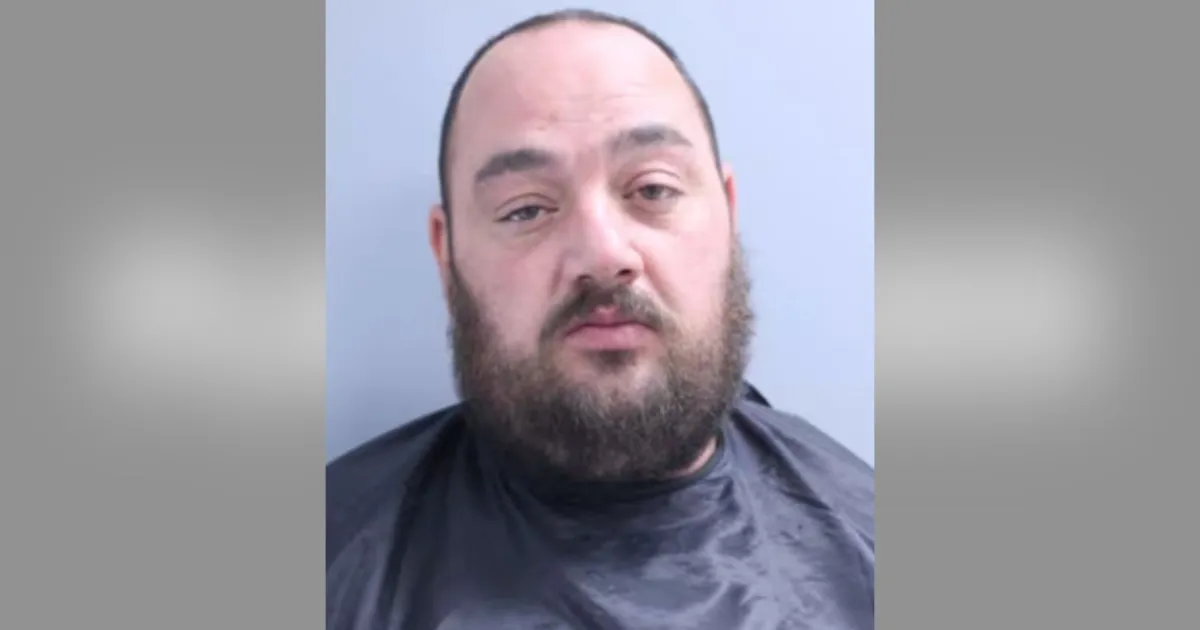
In the heart of Nebraska, a quiet farming community was shattered by a tragic chain of events that exposed the dark undercurrents of a failing marriage and personal despair. Wesley Absher, a 40-year-old man with a history of conflict and instability, found himself at the center of a horrific sequence: kidnapping his estranged wife, murdering her boyfriend, and ultimately taking his own life. Just days after his release from jail on a reduced bond, Absher’s actions painted a portrait of a man unraveling under the weight of jealousy, anger, and unresolved hurts. Neighbors and acquaintances from the rural Polk County area described him as someone who had once been part of the community, perhaps a familiar face at local events or hog fairs, but whose life had spiraled into turmoil. His marriage, already fractured, seemed to amplify his isolation, turning what might have been personal struggles into a devastating outburst. People in small towns like this often have stories of resilience—farmers facing weather woes or family squabbles—but Absher’s tale was one of escalating violence that left survivors grappling with grief and unanswered questions. The incident, unfolding in the early hours of April 7, began with a deadly confrontation at a hog farm owned by 44-year-old Brian Gabel, a man who had befriended Absher’s wife during their separation. Gabel, described by friends as a kind-hearted individual dedicated to his livestock and community, became an unintended victim in a web of domestic turmoil. Absher, newly freed from custody after a plea deal for prior assaults against his wife, allegedly drove to the farm under the cover of night, his motives driven by what authorities believe was a toxic mix of revenge and possessiveness. In small Nebraska towns, where trust is built on neighborly help and shared hardships, the betrayal of murdering someone over a personal grievance felt like a betrayal of the community’s values. Absher’s estranged wife, whose name remained protected in public reports, had likely been trying to rebuild her life post-separation, seeking solace in new relationships while navigating the legal and emotional fallout of divorce. For her, the events were not just a crime but a continuation of a nightmare she had endured for months, marked by threats, injuries, and fear. As the story unraveled, it became clear that Absher’s release on a $250,000 bond after pleading no contest to assault charges had been a gamble on his part to reform, but it backfired catastrophically. His background, seen through court records, revealed a pattern of threats and violence, including an incident where he had assaulted her with a weapon and voiced suicidal intentions, only for her to disarm him and seek help. This history humanized the tragedy, showing Absher not as a monster but as a flawed individual whose mental health struggles, perhaps compounded by the stigma of seeking help in a rural setting, led to irreversible choices. Locals reflected on how such stories highlight the unseen battles many face—economic pressures on family farms, the emotional toll of divorce, and the lack of accessible mental health resources in isolated areas. Absher’s final act, his suicide at a Lincoln hospital on April 8, came after deputies located him at a second farm location, where he lay injured from a self-inflicted attempt. It was a poignant end to a life marked by conflict, leaving behind ripples of sorrow for his family, who might have hoped for redemption, and for the community that mourned the loss of innocence in their peaceful surroundings. As investigators pieced together the timeline, questions lingered about missed opportunities for intervention—counseling during divorce proceedings or mandatory mental health evaluations post-assault. This incident served as a sobering reminder that behind every headline lies a human story of pain, with Absher’s actions echoing the cries of those who suffer silently until it’s too late.
A Deadly Confrontation at the Hog Farm
The night of April 6 into 7 dawned like any other in Polk County, with the scent of earth and livestock hanging in the air, but for Brian Gabel, it ended in unthinkable violence. The 44-year-old hog farmer, who ran a modest operation on his property, had welcomed Absher’s estranged wife into his world, offering her comfort and companionship amidst her marital breakdown. Friends recalled Gabel as a warm, hardworking man, the kind who pitched in for barn raisings or helped neighbors with feed during tough winters, embodying the quiet strength of rural life. He probably never anticipated that his kindness would draw him into danger, especially from a man fraught with jealousy and rage. Witnesses or accounts suggested that Absher, armed and determined, arrived at the farm under the veil of darkness, his vehicle a shadowy intruder in the stillness. What transpired was swift and brutal: investigators concluded that Absher fatally shot Gabel, leaving his body on the property amid the snorts and stirrings of the hogs. The choice of location—a place of livelihood and routine—added a layer of irony and heartbreak, as the very farm animals Gabel tended became silent witnesses to his killing. Absher’s estranged wife, present during the ordeal, must have felt a surge of terror, trapped in a scenario where her attempt at a fresh start turned deadly. Security footage or landowner statements might have captured glimpses of the chaos, but the core was the human element: a man driven by possessiveness, believing he could reclaim what he saw as his. In the aftermath, the hog farm stood as a grim monument to misplaced fury, its fences and pens now cordoned off as a crime scene, a place once bustling with life now echoing with loss. Gabel’s family, perhaps consisting of siblings, parents, or children who visited on weekends, faced a wave of shock, organizing vigils and memorials that spoke to his unassuming legacy. They shared stories of his laughter during family dinners or his patience with temperamental pigs, painting him as more than a victim—he was a friend, a brother, a pillar of the community. For Absher, the murder represented a tipping point, fueled by what psychologists might describe as a cocktail of entitlement and despair, where rejection manifested as rage. In rural America, where stories of domestic disputes are too common, this act underscored the vulnerabilities of everyday people, especially women seeking escape from abusive cycles. The gunshot, ringing through the night, not only ended Gabel’s life but also symbolized the fragility of peace in communities where help is neighborly but professional support is scarce. As deputies arrived in response to the wife’s frantic report later, they secured the scene, the crime tape fluttering in the breeze like a barrier against more unseen horrors. Gabel’s death wasn’t just a statistic; it was a void left in lives intertwined with farming and fellowship, a reminder that jealousy can poison even the most steadfast hearts.
The Kidnapping and Assault: A Wife’s Nightmare
Following the murder, Absher’s rampage escalated into abduction, transforming the wife’s ordeal into a prolonged horror that tested the limits of human endurance. Allegedly, he forced her into his vehicle, driving her about three miles to another farm—a nondescript property perhaps leased or owned by a local, shrouded in anonymity and isolation. Away from prying eyes, Absher unleashed his fury, assaulting her in ways that left physical and emotional scars. Reports indicated the attack involved violence that echoed their previous confrontations, a terrifying continuity fueled by his unchecked anger. For the wife, a woman in her 30s or 40s trying to reclaim autonomy through divorce, this was a violation that stripped away her sense of safety, turning a partner into a captor. Survivors of abuse often describe such moments as surreal, a disorienting blur of fear and survival instinct, where thoughts race from escape to endurance. She might have pleaded, recounted shared memories gone sour, or even appealed to whatever remnants of affection lingered, but Absher, consumed by his downward spiral, pressed on. The farm setting, with its earthy smells and vast open spaces, offered a stark backdrop—fields that in daylight invited tranquility now amplified her isolation, the distant lowing of cattle a mocking contrast to her cries. In these heart-wrenching hours, Absher’s human side flickered through; perhaps he grappled with remorse, voicing confessions or accusations that revealed his inner turmoil. Domestic violence experts note that such episodes often stem from a need for control, exacerbated by rejection, and Absher’s actions aligned with a pattern seen in cases where perpetrators escalate post-release from custody. After the assault, authorities believe he turned the weapon on himself in a desperate attempt at suicide, failing to end his life but leaving him gravely injured. This self-inflicted act added depth to his character—not merely a villain, but a man so tormented that he sought oblivion, possibly out of shame or hopelessness. For his wife, the ordeal culminated in a courageous break: she escaped the second farm, likely navigating dirt roads and adrenaline-fueled decisions to reach safety. Driving herself to the Polk County Sheriff’s Office just after 1:30 a.m., she reported the shooting and assault, her voice trembling as she detailed the nightmare to deputies. Her arrival, marked by non-life-threatening injuries—bruises, lacerations, emotional wounds—highlighted her resilience among the horrors. Officers, responding promptly, secured both sites, their flashlights piercing the night as they processed evidence and ensured no further victims. In human terms, her escape symbolized defiance, a quiet triumph amid tragedy, but one shadowed by ongoing fear for her future, possibly involving protective orders or witness protection in a community where secrets travel fast. The incident, as recounted, humanized the broader issue of domestic violence, showing not just the perpetrator’s flaws but the victim’s strength, and the critical role of law enforcement in intervening before irreparable damage is done.
Responding to Crisis: The Wife’s Escape and Law Enforcement’s Role
As the first light of April 7 broke over Nebraska, the Polk County Sheriff’s Office became a beacon of hope for Absher’s estranged wife, a place where her ordeal could be documented and processed. Arriving battered and determined, she provided a detailed account that pieced together the puzzle for investigators: the hog farm murder, the kidnapping, the assault, and the attempted suicide. Deputies, perhaps hardened by rural calls involving livestock accidents or petty disputes, recognized the severity, quickly mobilizing to secure the scenes—cordoning off the hog farm where Gabel’s body lay and the second farm where Absher reeled from his wounds. Their response was methodical yet empathetic, offering the wife medical attention while gathering statements, evidence, and witness accounts from neighbors who might have heard shots or seen vehicles. In such close-knit areas, community members often play unwitting roles, sharing what they observed to aid investigations, but also contributing to the rumor mill that can complicate proceedings. The wife, treated for her injuries at Columbus Community Hospital, received not just physical care but counseling support, underscoring the holistic approach to trauma. Stories from similar cases reveal how survivors like her rebuild, channeling anger into advocacy, perhaps joining groups for domestic abuse victims or seeking therapy to process the betrayal. For Absher, discovered injured at the second location, his condition demanded urgent action; he was rushed to Bryan Health West Campus in Lincoln, a facility known for emergency care amidst the city’s bustle. There, medical staff battled to stabilize him, treating self-inflicted gunshot wounds that spoke to his desperation. Hours later, on April 8, amidst the beeping monitors and sterile rooms, Absher succumbed, his death ruled a suicide. This closure brought mixed emotions—relief for some that the threat ended, sorrow for those pondering what drives a person to such depths. Law enforcement’s involvement highlighted their dedication in rural settings, where resources are stretched thin, often relying on state patrol reinforcements like the Nebraska State Patrol for complex cases. Interagency cooperation ensured thorough examinations, from ballistics to timelines, painting a fuller picture of the events. Humanizing this response means acknowledging the officers’ humanity too—they deal with the emotional toll of tragedies, attending funerals or community meetings post-incident to foster healing. The sheriff’s office, when later queried, remained reserved, perhaps out of respect for ongoing probes or privacy concerns, but their actions facilitated justice and support. Broader implications emerged: this case prompted discussions on bail reforms and domestic violence protocols, emphasizing the need for better risk assessments during releases. In a country grappling with gun violence and mental health crises, tales like this resonate, reminding us of the thin line between safety and peril in ordinary lives.
Absher’s Troubled Past: Criminal History and Failed Plea Deal
Delving into Wesley Absher’s background revealed a tapestry of escalations that set the stage for his final tragedy, painting him as a man ensnared in his own destructive patterns. Court records, unearthed during the investigation, exposed a prior conviction for second-degree assault and terroristic threats against his estranged wife, incidents that mirrored the deadly confrontation at the hog farm. On February 8 of that year, Absher had allegedly assaulted her with a weapon at their home or a shared space, his anger boiling over into physical harm that left her with a laceration on her head. She recounted to police his verbal threats, including ominous hints of suicide, but in a moment of sheer bravery, she wrestled the gun from him, turning the tide and ensuring both their safety by driving to the hospital. There, as medical professionals tended to her wound, Absher was arrested, his bonds of trust severed by his actions. This episode wasn’t isolated; it reflected a cycle of violence often seen in strained relationships, where emotional pleas give way to control tactics, and jealousy festers without intervention. Absher’s life, viewed through this lens, might have been shaped by personal demons—perhaps a history of unstable employment in rural economies, family pressures, or untreated mental health issues that whispered threats of self-harm. In deep-red states like Nebraska, where stoic individualism prevails, seeking help can feel like weakness, leading to masking problems until they erupt. His no-contest plea on April 1 to the assault charges, secured through a deal where prosecutors dropped firearm felony counts, was meant as a path to redemption, allowing supervised release instead of prolonged incarceration. With a 10 percent bond of $25,000, he posted bail on April 3, returning to freedom prematurely— a decision that hindsight deems fateful. Friends or former associates described him as intelligent yet erratic, someone who could charm neighbors while simmering resentments, embodying the complexity of human flaws. The plea deal, while a legal compromise, raised questions about leniency in domestic cases, especially with a history of suicide threats that warranted mental health evaluations. Absher’s divorce proceedings added layers, transforming disputes over assets or custody into battlegrounds, potentially amplifying his sense of loss. Psychologists might argue his jealousy stemmed from attachment issues, viewing his wife’s new relationship as a theft of identity. Post-incident analyses often reveal missed red flags, like counseling mandates or gun restrictions, prompting reforms in judicial processes. His death by suicide on April 8 closed the chapter, but left legacies of regret for those who knew him—a frustrated neighbor, a concerned relative—pondering what more could have been done. In humanizing his story, we see not a caricature of evil, but a portrayal of vulnerability, where systemic gaps in support allowed tragedy to unfold.
Aftermath and Reflections: Healing in the Wake of Tragedy
The ripples of Wesley Absher’s actions extended far beyond the crime scenes, touching lives in profound, lasting ways and sparking conversations about prevention and support in Nebraska’s farming heartland. Brian Gabel’s family mourned deeply, organizing memorial services at local churches where hymns mingled with tales of his generosity, his hog farm becoming a symbol of lost potential rather than abundance. Friends established funds in his name, perhaps for veterinary scholarships or community feeds, channeling grief into positivity amidst the sorrow. For Absher’s estranged wife, recovery was a marathon of healing; she might have relocated temporarily for safety, engaging therapists to unpack layers of fear and resilience. Survivors like her often emerge stronger, becoming advocates, sharing stories to empower others trapped in similar cycles. Her non-life-threatening injuries healed physically, but emotionally, she navigated a labyrinth of flashbacks and trust issues, supported by hotlines and support groups that offer solace when personal circles feel tainted. Absher’s own family, if any, faced their grief privately, grappling with the stigma of suicide and violence in a family name, perhaps turning inward or seeking understanding from grief counselors. The community, shaken, rallied around vigils or town halls, discussing gun control, mental health access, and domestic violence resources—issues that, while national, hit home in rural areas where distances to clinics amplify isolation. Local leaders pledged improved response protocols, ensuring deputies receive training in abuse dynamics and suicide prevention. The Nebraska State Patrol’s investigation wrapped up with thorough forensics, from trajectory analyses to digital footprints, leading to case closures that provided catharsis in resolution. Yet, reflections linger on the human cost: a life lost in despair, another in murder, and a survivor scarred. In a time when headlines bombard us with tragedies, this story reminds us of empathy’s role—reaching out to those in emotional distress via resources like the National Suicide Prevention Lifeline at 1-800-273-TALK (8255). It humanizes crises, transforming statistics into narratives of loss and hope, urging communities to foster connections that might prevent such outbursts. As spring blossomed post-incident, with fields greening and communities banding together, there was a quiet optimism that from tragedy could come stronger networks of support, ensuring that stories like Absher’s serve as cautionary beacons rather than endless cycles of pain.