





Kiefer Sutherland Remembers Rob Reiner’s Directing Brilliance Amidst Tragic Loss
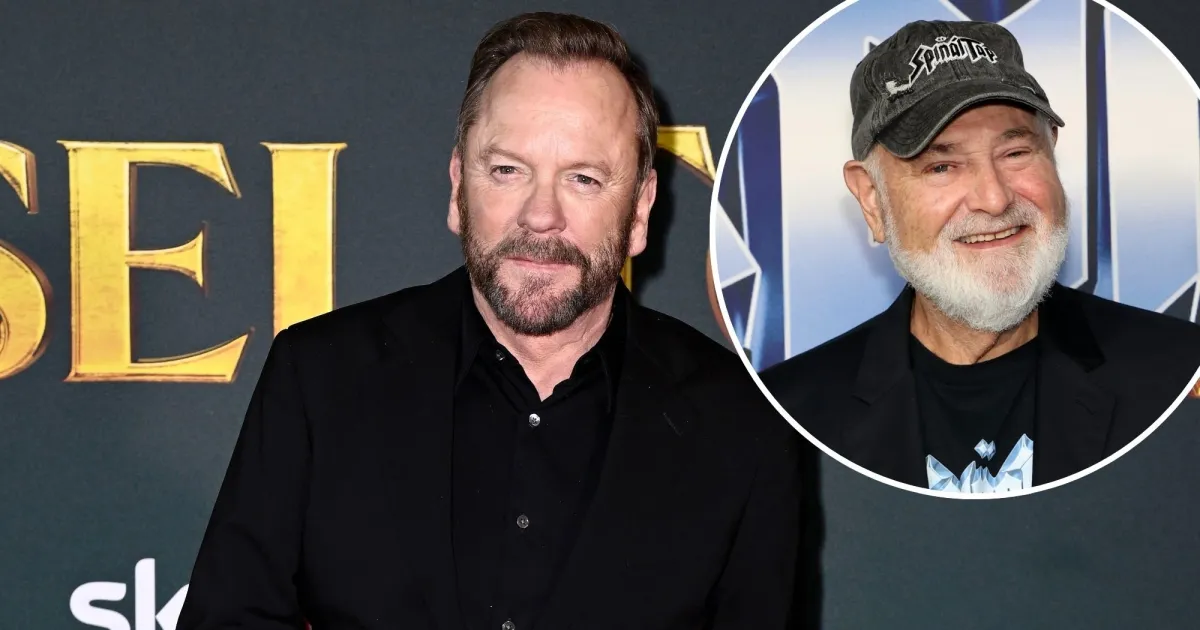
In the wake of acclaimed director Rob Reiner’s shocking death, Kiefer Sutherland has shared poignant memories of their time working together on two iconic films. Speaking in a forthcoming CBS News special, Sutherland recalled an extraordinary moment on the set of the 1992 legal drama “A Few Good Men,” which showcased both Reiner’s directorial instincts and Jack Nicholson’s legendary acting prowess. The anecdote offers a glimpse into Reiner’s collaborative spirit and artistic sensibility, qualities that made him beloved in Hollywood for decades. Sutherland described how Nicholson delivered the film’s now-iconic “You can’t handle the truth” monologue so perfectly on the first take that the set fell completely silent. When Reiner quietly asked if Nicholson wanted another attempt, the actor casually replied, “Well, we’re here.” The second take proved equally magnificent, demonstrating the caliber of talent Reiner routinely worked with and inspired. In a telling moment of directorial confidence and respect for his actors, Reiner then surprised everyone by declaring the day’s work complete, hours ahead of schedule. “They had planned to shoot the whole day, and Rob looked at everybody and said, ‘I couldn’t ask for anything more, so you guys all have the rest of the day off,'” Sutherland remembered. This small gesture reveals much about Reiner’s approach—recognizing exceptional work when he saw it and honoring the artistic achievement rather than adhering rigidly to production schedules.
The bond between Sutherland and Reiner stretched back even further, to their collaboration on the coming-of-age classic “Stand by Me” (1986). This film, featuring young actors Wil Wheaton, River Phoenix, Corey Feldman, and Jerry O’Connell alongside Sutherland, has maintained its cultural significance for nearly four decades. Following the devastating news of Reiner and his wife Michele Singer Reiner’s deaths on December 14, these former cast members joined countless others in the entertainment industry to honor the director’s legacy. Wheaton’s tribute eloquently captured Reiner’s impact: “Rob was a good person who put great art into the world, who made a positive difference in more lives than any of us can imagine. The world is a better place thanks to his activism and the way he chose to use all of his privilege and influence.” These heartfelt words reflect how Reiner’s influence extended beyond filmmaking into activism and social causes, where he consistently used his platform to advocate for progressive values. The tributes highlight how Reiner wasn’t merely respected as a filmmaker but deeply loved as a mentor and friend by those who worked with him, creating a family-like atmosphere on his sets that nurtured young talent and established stars alike.
The circumstances surrounding the deaths of Rob and Michele Reiner have sent shockwaves through Hollywood and beyond, transforming what would normally be a celebration of an extraordinary career into a profound tragedy. Hours after their bodies were discovered, their son Nick Reiner was arrested on suspicion of murder and subsequently charged with two counts of first-degree murder. The Los Angeles County Medical Examiner determined that both Rob and Michele died from “multiple sharp force injuries,” officially ruling their deaths homicides. Nick Reiner made his first court appearance on December 17, accompanied by attorney Alan Jackson, though he has not yet entered a plea. If convicted, he faces potentially severe consequences: either life imprisonment without parole or the death penalty. The arraignment has been scheduled for January 7, 2026, leaving the Reiner family and the broader entertainment community in a state of shock and mourning as they attempt to process this unfathomable tragedy. The stark contrast between the celebration of Reiner’s artistic contributions and the horrific circumstances of his death has created a dissonance that many are struggling to reconcile.
The brutal nature of these events has prompted raw reactions from those who knew the couple. Corey Feldman, appearing in “The Rob Reiner Story: A Hollywood Tragedy” on ABC News, shared his immediate suspicions about Nick’s involvement. “As we watched the news unfold, I was actually the first one who said, ‘I think it was his son,'” Feldman revealed, adding, “It’s awful. It’s the worst thing I could imagine… Accepting that fact that this could have happened in his home from his own son, it sent shivers and chills down all of us.” Feldman’s candid admission reflects the bewilderment felt throughout the industry—how could such violence touch someone who had brought so much joy and thoughtfulness to cinema? “All I could think is, ‘Oh my God, there’s no way this could have happened to my friend,'” Feldman continued, voicing the disbelief that continues to reverberate through Hollywood. These devastating circumstances have cast a shadow over the remembrance of a director whose work consistently celebrated humanity and emotional truth, making the manner of his death seem all the more incongruous with the life he led and the stories he told.
At 78, Rob Reiner leaves behind a monumental legacy that spans decades of influential filmmaking. From his early breakthrough as an actor on “All in the Family” to his directorial masterpieces like “When Harry Met Sally,” “The Princess Bride,” “Misery,” and “This Is Spinal Tap,” Reiner consistently demonstrated versatility and an extraordinary ability to work across genres while maintaining his distinctive voice. His films often explored human relationships with warmth, humor, and insight, creating moments that have become permanently embedded in American popular culture. Michele Singer Reiner, 70 at the time of her death, was not only Rob’s wife of 35 years but also his creative partner on many projects, working as a photographer and producer. Together, they raised a family that included son Jake, 34, daughter Romy, 27, and Rob’s daughter Tracy, 61, from his previous marriage to Penny Marshall. The couple was also known for their philanthropic efforts and political activism, further demonstrating their commitment to making a positive impact beyond the entertainment industry.
As the industry grapples with this profound loss, Sutherland’s memories provide a momentary respite—a chance to remember Reiner for his creative genius rather than the tragic circumstances of his death. The anecdote about Nicholson’s perfect delivery and Reiner’s gracious response encapsulates what made him such a revered director: his ability to recognize excellence, his respect for actors’ craft, and his understanding that sometimes the perfect take happens when you least expect it. Through films like “A Few Good Men” and “Stand by Me,” Reiner created works that continue to resonate with audiences decades later, tackling themes of truth, justice, friendship, and coming of age with remarkable sensitivity and intelligence. His approach to filmmaking—patient, thoughtful, and deeply humanistic—produced stories that feel as relevant today as when they were first created. While the industry mourns this immeasurable loss and the Reiner family faces unimaginable challenges in the coming months, the director’s body of work remains as a testament to his extraordinary talent and vision—proof that, at his best, Rob Reiner understood fundamental truths about the human condition and translated them into art that will endure long after this tragedy.