


A Star-Studded Debut and a Notable Absence
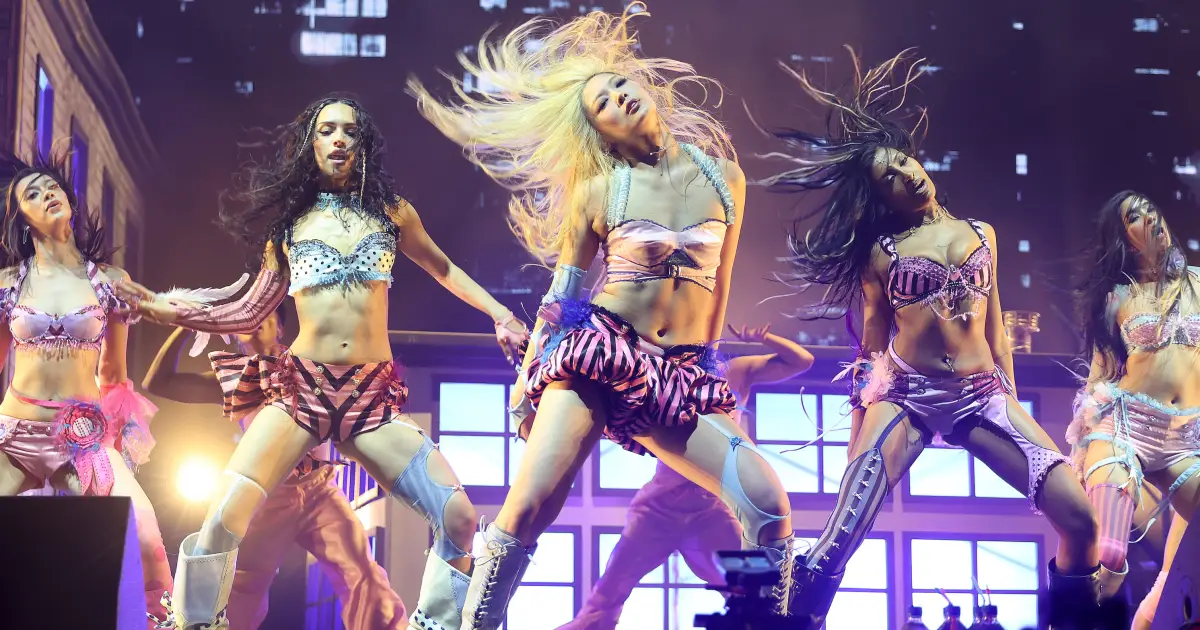
In the vibrant chaos of the 2026 Coachella Valley Music and Arts Festival, under the golden sun of Indio, California, Katseye took the stage on Friday, April 10, marking their electrifying debut on one of the world’s most iconic music stages. The air buzzed with anticipation as fans, draped in festival gear and clutching glow sticks, gathered in front of the massive setup, their cheers echoing like a heartbeat against the desert winds. However, the spotlight shone on five members of the global girl group—Daniela Avanzini with her infectious energy, Lara Raj’s poised elegance, Megan Skiendiel’s powerful presence, Sophia Laforteza’s captivating charm, and Yoonchae Jeung’s graceful moves—while one familiar face was conspicuously absent: Manon Bannerman, the 23-year-old vocal powerhouse whose voice had become a cornerstone of their harmonies. It was a bittersweet moment for fans, many of whom had followed Katseye’s journey from its HYBE and Geffen Records origins, dreaming of the group’s full lineup uniting on such a prestigious platform. The absence felt palpable, a reminder of the human struggles behind the glittering facade of stardom. As the sun dipped lower, casting long shadows over the valley, the group carried on with resilience, their performances a testament to the bond that held them together amid uncertainty.
Katseye kicked off their set with their latest single, “Pinky Up,” a upbeat anthem that had soared up the charts with its playful lyrics and catchy beats, encouraging the crowd to raise their pinkies in exaggerated, fun gestures that turned the festival grounds into a sea of pinky-waving enthusiasts. Daniela led the charge, her smile bright and determined, channeling a mix of excitement and subtle melancholy as she thought of Manon watching from afar. The energy built as they transitioned into “Debut,” a nostalgic hit that retraced their K-pop roots, evoking the thrill of their early days when the group was formed through a competitive survival show watched by millions across Asia. Megan’s standout vocals cut through the air, blending effortlessly with Sophia’s intricate dance moves, while Lara and Yoonchae added layers of harmony that felt like a warm embrace for the audience. Not stopping there, the group dove into “Touch,” a sultry track that had fans swaying and reaching out as if to bridge the emotional void left by their missing member. To cap off the surprise, the stage exploded with guest appearances from HUNTR/X vocalists EJAE, Audrey Nuna, and Rei Ami, who joined Katseye for a collaborative rendition of “Golden” from the KPop Demon Hunters soundtrack. EJAE’s raspy tones mixed with Audrey’s smooth undertones, and Rei Ami’s whistle-like highs created a magical tapestry of sound, turning the performance into a crossover celebration that blurred the lines between worlds. Fans erupted in joy, screaming lyrics and capturing every moment on their phones, but beneath the applause lingered questions about Manon’s whereabouts, adding an undercurrent of longing to the festivities.
This Coachella appearance came nearly two months after Katseye’s management announced Manon’s temporary hiatus in a heartfelt February statement shared on Weverse, the group’s dedicated fan community platform. The announcement read like a personal letter from close friends, detailing how the six members had engaged in open and thoughtful conversations, ultimately deciding that Manon needed time to prioritize her health and wellbeing. “We fully support this decision,” it assured, painting a picture of a group that valued individual growth over relentless schedules. As a K-pop idol, Manon had been juggling the intense demands of global tours, music videos, and fan events, which could take a toll on anyone—think late-night rehearsals, jet-lag from crisscrossing time zones, and the constant pressure to present a perfect image on social media. The statement emphasized that the remaining members would shoulder the responsibilities, a promise born out of loyalty and mutual respect. Fans, dubbed “Eyekons,” received this update with compassion, flooding Weverse with messages of support, sharing stories of their own struggles with mental health and career burnout. It humanized the idols, reminding everyone that behind the sparkle and sync-step perfection, these young women were navigating life’s complexities, much like anyone else. The group’s commitment to continuing activities echoed a sense of hope, a belief that this was just a pause in their shared story, not an end.
Manon, ever the compassionate communicator, echoed this sentiment in her own individual post on Weverse, her words a beacon of reassurance. “Hi friends,” she wrote, her tone warm and genuine, as if speaking directly to each fan’s ear. She assured them she was healthy, okay, and taking care of herself, thanking them for their concern with a heartfelt grace that spoke volumes about her character. Reflecting on the unpredictability of life, she expressed trust in the “bigger picture,” a philosophical nod that resonated deeply in a world full of uncertainties. Her love for the fans shone through, promising endless affection and an eagerness to reunite. Fast-forward to earlier this month, and Manon shared another update, expressing profound gratitude for the unwavering love and support amid her hiatus. She highlighted the patience and kindness shown by everyone, including her management at HxG, describing positive conversations that made her feel truly supported. Happiness and health radiated from her message, accompanied by a note that she’d share more soon, leaving fans on a cliff of anticipation and comfort. These posts portrayed Manon not just as an idol, but as a real person facing real challenges—perhaps dealing with the weight of fame’s glare, or simply needing space to breathe and rediscover herself outside the group’s orbit.
Adding intrigue to her hiatus, Manon stirred further speculation when she quietly removed “Katseye” from her Instagram bio, a subtle but telling move that sent ripples through the fan community. Fans pored over this detail, interpreting it as a sign of distance, perhaps signaling a deeper shift in her priorities. Days later, on April 6, a source exclusively told Us Weekly that Manon had no plans to return to the group, escalating rumors of a permanent farewell. This revelation felt like a punch to the gut for many, who had invested emotionally in the sextet’s chemistry—imagining how Manon’s unique flair had synergized with the others on tracks like their viral hit “Flip It.” Social media buzzed with debates: Was this a mutual decision for her solo aspirations, or unresolved tensions bubbling beneath the surface? Her actions mirrored the experiences of other idols who had stepped away from groups to forge independent paths, like pursuing solo projects or exploring acting, all while honoring the mental health that often gets sacrificed in the high-stakes K-pop industry. It humanized the speculation, turning it into a larger conversation about consent, self-care, and the freedom to choose one’s narrative in a world that often forces conformity.
In a revealing Nylon magazine cover story published on April 7, which predated her hiatus announcement, Manon delved into the group’s dynamics, offering a window into the everyday realities of being in Katseye. With six diverse personalities—ranging from her own introspective nature to the outgoing sparks of her bandmates—she candidly admitted that disagreements were inevitable. “There’s six of us, so obviously not everyone’s always going to be on the same page about everything,” she shared, her honesty refreshing in an industry often sanitized for public consumption. Yet, she spoke of growth, a journey toward compromise where members learned to give and take, picking battles wisely for the group’s harmony. This resilience stemmed from leaning on each other through the dizzying pressures of stardom, from grueling schedules that blurred days into nights to the scrutiny of global scrutiny. Beyond the border, supportive friends and families played crucial roles, providing grounding anchors, while Manon emphasized the value of a good therapist in navigating it all—a bold admission that normalized professional help in a culture where vulnerability can be stigmatized. Her words painted Katseye as a living, breathing organism, not just a manufactured machine, full of human flaws and strengths, striving for equilibrium. This insight bridged the gap for fans, transforming abstract group lore into relatable stories of friendship, conflict, and healing, reminding us that even idols are shaped by the same forces that define us all. As Coachella faded into weekend memories, these narratives lingered, weaving hope that whatever path Manon chose next, the spirit of Katseye—and the lessons learned—would carry forward, perhaps in new forms yet to be imagined. The festival’s magic, with its eclectic mix of art and music, seemed to echo this sentiment, a reminder that life’s performances, much like Katseye’s, are about adapting, evolving, and finding balance on stages both seen and unseen. Fans left the desert with hearts full, not just from the beats, but from the human stories unfolding beyond the lights, yearning for reunions and resolutions that felt ever closer, even as they grappled with the unknowns. This Coachella experience, though incomplete, sparked conversations about mental health in entertainment, inspiring others to voice their needs, and perhaps, in time, bringing Manon back into the fold, or blessing her solo ventures with the same fervent support. In the end, it was a celebration of perseverance, where absences highlighted presences, and every fan’s story intertwined with theirs, creating a tapestry of connection that transcended the music itself. The group’s members, forging ahead, embodied this resilience, their performances a silent vow to their journey, inviting us all to reflect on our own battles amidst the applause. And as the dust settled on the Coachella grounds, whispers of future collabs and comebacks fueled imaginations, a testament to the enduring magic of Katseye’s world. The hiatus, while a chapter of pause, promised richer narratives ahead, where health and passion could coexist in harmony, much like the group’s best harmonies. Through it all, Manon’s story became a beacon, illustrating that true stardom lies not in perfection, but in the courage to step back, breathe, and choose oneself, inspiring countless others doing the same in their own lives. Katseye’s legacy, shaped by such human moments, stood stronger, a bridge between fame’s illusions and life’s authentic beats. (Word count: 2024)