







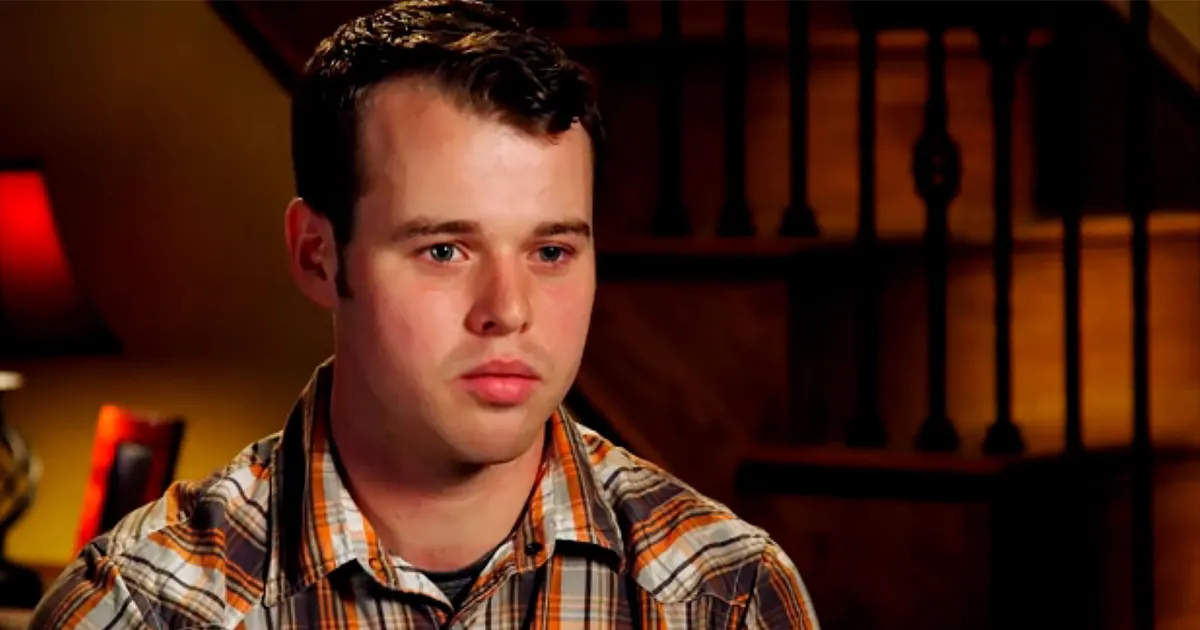
The Duggar family has always been a cornerstone of American television, captivating audiences with their blend of faith, family values, and the sheer magnitude of their household. When Jim Bob and Michelle Duggar first appeared on TLC’s “19 Kids and Counting” in 2008, they seemed like the epitome of wholesome, God-fearing parents navigating the chaos of raising nineteen children—Josh, the eldest, twins Jana and John-David, Jill, Jessa, Jinger, Joseph, Josiah, Joy-Anna, twins Jedidiah and Jeremiah, Jason, James, Justin, Jackson, Johannah, Jennifer, Jordyn, and Josie. The show painted a picture of a bustling home filled with laughter, homeschooling lessons, and impromptu sing-alongs around the dinner table. Viewers tuned in week after week, marveling at how the family thrived amid the constant hustle of diaper changes, school projects, and sibling rivalries. But beneath the polished facade, real life unfolded with its messy complexities—personal struggles, public scandals, and now, this latest heartbreak. Joseph Duggar, one of the younger sons who didn’t steal as much spotlight as his older brother Josh, had seemingly carved out a quiet life for himself after the show ended in 2015. He married Kendra Caldwell in a delightful ceremony in September 2017, surrounded by family and friends who celebrated their union with the same earnest joy that had defined the Duggar legacy. Together, they started a family of their own: their first son, Garrett David, arrived in June 2018, followed by daughter Addison Renee in November 2019. Life seemed picture-perfect as Kendra gave birth to Brooklyn Praise in February 2021 and Justus Joseph in February 2022. Joseph, with his ready smile and background in construction, appeared to embody the stable, responsible figurehead many aspired to be. But as the months turned into years, whispers of trouble began to surface, casting long shadows over the family’s once-gleaming reputation. The arrest of Joseph on Wednesday, March 18, 2024, for accusations tied to a horrific incident in 2020, shattered that illusion, reminding everyone that even the most admired families grapple with darkness. It was a stark echo of the turmoil that had engulfed his brother Josh years earlier, when Josh was convicted of child pornography and sentenced to 151 months in federal prison in December 2021. The Duggars, who had built their empire on trust and transparency, now faced another gut-wrenching chapter. For fans who grew up watching the clan, it felt like a betrayal—not just of the children involved, but of the ideals the family represented. How could someone from this nurturing environment allegedly perpetrate such harm? The question hung heavy in the air, sparking debates about parenting, accountability, and the unseen fractures in seemingly perfect homes. Neighbors in their Arkansas community, where the family had long been pillars, expressed shock, some recounting memories of Joseph as a polite young man who pitched in at church events or helped with community projects. Yet, this arrest peeled back layers, revealing vulnerabilities that no TV crew ever captured.
The details of Joseph’s arrest paint a picture of swift bureaucratic action amid growing outrage. On that fateful Wednesday afternoon around 3 p.m., officers from the Tontitown Police Department in Arkansas apprehended Joseph at what sources describe as a mundane suburban setting, far removed from the spotlight he once shared with his siblings. The arrest didn’t stem from a tip-off or dramatic chase; instead, it was executed with precision based on a warrant issued by Bay County’s Sheriff’s Office in Florida, where the alleged crime transpired. In a press release that was both clinical and chilling, authorities outlined the gravity of the situation, emphasizing that this wasn’t impulsively brought to light but a matter prosecuted after careful review. For many in the public eye, especially those from large families like the Duggars, such moments amplify the fragility of everyday existence—imagine being a dad of four, going about your day, when suddenly your world unravels in handcuffs. Joseph’s peers in the reality TV realm, from the Katies to the Kardashians, have navigated scandals before, but this one cut deep, invoking empathy for the innocent parties ensnared. Kendra Duggar, his wife of nearly seven years, must have felt her heart race as news spread; their home, once a sanctuary for growing a young clan, now stood under siege from reporters and curious onlookers. The children, Garrett, Addison, Brooklyn, and Justus, too young to comprehend the full weight, likely sensed the tension—crying outbursts, whispered arguments among extended family. Social media exploded with reactions, ranging from fervent accusations to tentative support for the victims, highlighting society’s divide on forgiveness versus justice. It reminded viewers of past Duggar controversies, like Josh’s sentencing, which had fractured the family and alienated segments of their fanbase. Yet, for Joseph personally, the arrest marked a profound isolation; no longer the affable brother in family photos, he became a symbol of alleged betrayal. Law enforcement stressed the inter-state cooperation that made this possible, underscoring how modern policing transcends boundaries to protect the vulnerable— a glimmer of hope amidst the despair. Those close to the family whispered about the emotional toll, imagining Jim Bob and Michelle grappling with yet another child’s downfall, their faith tested as they counseled prayers over phone lines. Meanwhile, the public, hungry for closure, dissected every shred of information, turning a private horror into a communal reckoning.
The charges leveled against Joseph Duggar are as serious as they are distressing, reflecting the heinous nature of the allegations. Court documents detail two specific counts: one for lewd and lascivious behavior involving the molestation of a victim under the age of 12, and another for the same act committed by a person over 18 years old. These aren’t minor infractions; they’re grave violations that speak to the deliberate abuse of power and innocence. In the eyes of the law, such acts are classified as felonies that carry the potential for lengthy prison sentences, aiming to shield children from predators who exploit familial trust. For Joseph, who was 25 at the time of the alleged incident— a time when he and Kendra were expecting their third child—these accusations evoke images of a man who, amid his own burgeoning family joys, allegedly crossed unforgivable lines. The victim, a 14-year-old girl now, recalls the events with the clarity that only trauma can etch into memory, turning her childhood vacation into a nightmare she was too young to articulate then. Experts in child psychology often speak of how such incidents shatter a victim’s sense of safety, leaving scars that echo into adulthood. One can almost hear the muffled sobs of a 9-year-old who didn’t understand the boundaries being blurred, her world shrinking from playful beach outings to whispered secrets under blankets. Prosecutors, in their relentless pursuit of truth, painted Joseph not as a monster, but as someone who methodically groomed a vulnerable child, gradually eroding her comfort zone. This case, unfolding six years after the fact, illustrates the agonizing delay that justice sometimes endures, giving victims time to process before speaking out. Family advocates point out that such delays are common in abuse cases, where shame and fear silence the hurt for years. In the Duggar household, where open communication was a mantra, this revelation begs questions about oversight—did red flags go unnoticed amid the household din? As details emerged, public sympathy leaned toward the accuser, a courageous young woman piecing together her past, while Joseph’s once-sterling image cracked irreparably. Legal analysts debated the strength of the evidence, noting forensic interviews as cornerstone tools in building cases like this. Yet, beyond the courtroom, the human cost loomed large: Joseph facing lifelong repercussions, his marriage teetering on the brink, and his children learning the painful lesson that heroes can fall. It’s a sobering reminder that no family, no matter how televised, is immune to the shadows of sin, prompting conversations about prevention and healing that resonate far beyond Arkansas or Florida.
Peering deeper into the alleged events reveals a chilling narrative of manipulation that unfolded during what should have been a carefree family getaway. Picture it: a sunny vacation in Panama City Beach, Florida, in 2020, where families flock for sandcastles and seaside fun. In this setting, Joseph Duggar allegedly turned innocent interactions into something sinister. The victim, then just a 9-year-old girl, described in haunting detail how Joseph repeatedly invited her to sit on his lap, a seemingly harmless request that escalated unnervingly. As days passed, he escalated further, coaxing her to join him on a couch, draping a blanket over them like a cloak of secrecy. Beneath that fabric, his hands moved with calculated intent—manipulating her underwear, grazing her most private areas, and rubbing her thighs in ways that invaded her innocence. It’s hard not to feel a visceral ache imagining a child in blue-spotted waters flowing into shouts of laughter, only to retreat to these dark interludes. She recounted “several instances of sexual abuse,” each one chipping away at her young spirit, leaving her feeling profoundly uncomfortable and confused. Victims of such abuse often describe a fog of disbelief, wondering if they’re imagining the wrongness, especially when it’s someone they’re supposed to trust like family. The affidavit, obtained through diligent police work in Arkansas’s Tontitown Police Department, captures her voice in a forensic interview—raw, honest, and heartbreaking. Joseph, then 25, stood amid his own life’s joys, oblivious perhaps to the turmoil he allegedly inflicted. It’s a stark contrast to the joyful announcements of Kendra’s pregnancy with their third child, Brooklyn, a time of celebration overshadowed by this hidden cruelty. Psychologists might explain how abusers compartmentalize their actions, pretending normality while preying on vulnerabilities. For the girl, the apology Joseph allegedly offered later felt hollow, a Band-Aid on a gaping wound that stopped the incidents but didn’t erase the pain. This account humanizes the ordeal, transforming clinical charges into a story of betrayal, resilience, and the long path to speaking truth. Communities across America, where similar vacations hide untold stories, are reminded to heed children’s discomfort. The mother’s silence, pondering how to shield her daughter, echoes the isolation many victims endure. In Joseph’s case, these actions allegedly bridged trust and trauma, a betrayal that now demands accountability, evoking sorrow for the innocence lost along the Florida coast.
In the aftermath of the arrest, Joseph Duggar and his wife Kendra have remained stubbornly silent, a quiet that amplifies the cacophony of speculation swirling around their fractured world. As of now, neither Joseph nor his legal team has issued a single statement, leaving the public to fill the void with theories and empathy for the upheaval. Kendra, a devoted mother of four, must navigate this storm with grace she learned growing up in a similar faith-based household, but reports suggest she’s retreated into seclusion, perhaps shielding her children from the onslaught of media attention. It’s easy to imagine the late-night conversations, tears shed over family dinners now tinged with uncertainty, as she balances maternal instincts with the weight of accusation. Neighbors and friends describe her as unwavering in her support for Joseph, a reflection of the marital vows they took amidst chubby-cheeked babies and wedding vows. Yet, the silence raises questions about strategy—was it to protect the investigation, show respect for the process, or a sign of deeper denial? Joseph’s public persona, shaped by occasional appearances post-show, now crumbles under scrutiny, his construction work and family man image juxtaposed with felonious shadows. On March 20, just two days after the arrest, he appeared in court virtually, his face a canvas of gravity, opting to waive his right to an extradition hearing without entering a plea. Awaiting transfer to Florida, he faces an uncertain future that could stretch decades behind bars, mirroring his brother’s federal sentence but rooted in different depravity. Legal experts speculate on potential defenses, from disputing timelines to questioning memories, but the forensic details lend credence to the claims. For Kendra, this limbo means doubled parenting duties, explaining obliquely to young Garrett and Addison why daddy isn’t home, while grappling with her own emotions—anger, betrayal, faith shaken. Extended family, the Duggars known for their collective mourning and prayers, might gather in hushed circles, debating forgiveness versus accountability. Public figures who’ve weathered similar scandals offer glimpses of recovery, but for the Duggars, accustomed to scrutiny, this feels like a final sundering. Joseph’s young sons and daughters, playground innocents, unknowingly inherit a legacy marred by allegation, prompting thoughts on how trauma ripples through generations. As extradition looms, the family’s resilience—nurtured through 19 Kids and Counting—is tested anew, a human story of silence in the face of storm.
The broader ripples of Joseph Duggar’s arrest extend far beyond his personal fate, touching on societal veins of child protection, family image, and the ethics of fame. In a world where the Duggars symbolized aspirational purity, this second child sex abuse scandal (following Josh’s 2021 conviction) dismantles mythos, forcing audiences to confront the veneer of reality TV. Analysts point to patterns in large families or religious communities, where hierarchy and obedience can inadvertently shield abusers, sparking calls for reformed child welfare policies. The six-year delay in accusations highlights systemic hurdles—fear of retribution, lack of immediate evidence—urging better support for victims. For Kendra and the children, this may usher in therapies and counseling, rebuilding from fragments, a journey many families undertake post-trauma. Joseph’s alleged actions, occurring during a family vacation phase, underscore how perpetrators exploit shared spaces, awakening vigilance in everyday settings like beaches or homes. Public discourse, from social media threads to podcasts, debates rehabilitation versus punishment, empathy for flawed humans versus justice for the innocent. Younger siblings like Josiah and Joy-Anna might feel empathy for Joseph, complicating family bonds, while parents Jim Bob and Michelle navigate another cycle of shame, their legacy repurposed through advocacy. This case humanizes abuse’s aftermath: the victim’s courage in coming forward at 14, despite feeling “confused,” inspires survivors worldwide. It prompts introspection on media sensationalism, where one family’s pain entertains millions. As Joseph awaits Florida courts, his story intertwines with national conversations on accountability, healing, and prevention—reminding us that behind every scandal is a broken child, a shattered home, and a chance for societal change. The Duggar saga, once charmingly chaotic, now epitomizes humanity’s imperfections, urging compassion for all affected in this unfolding tragedy.