


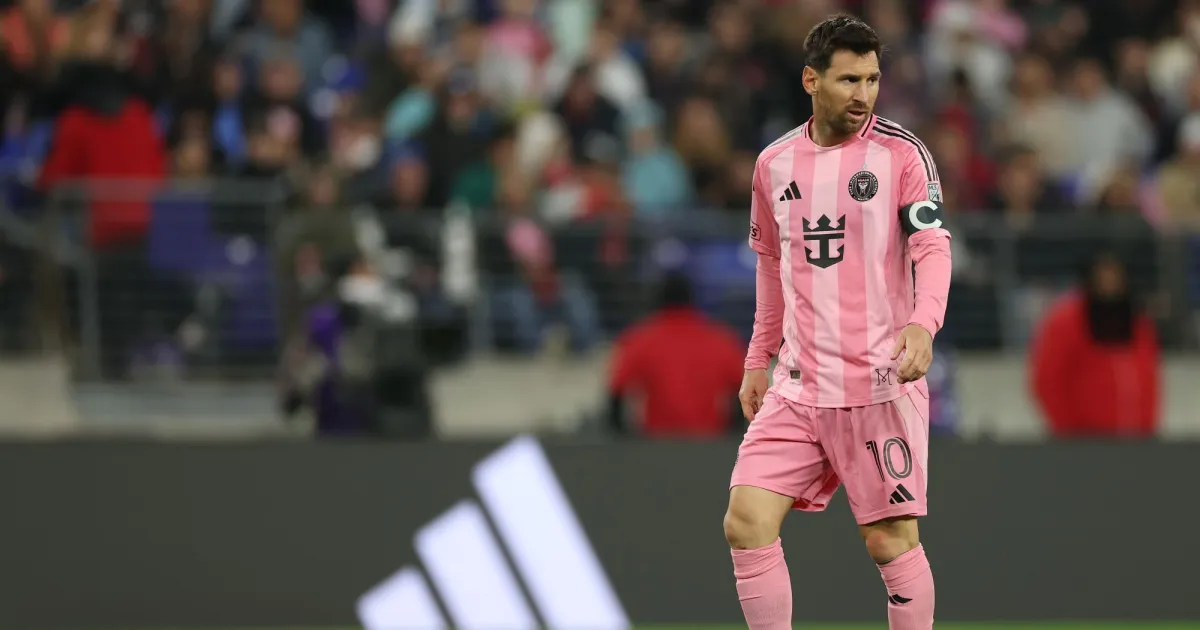
Lionel Messi, the footballing genius hailed as one of the greatest players ever to grace the pitch, has undeniably transformed the landscape of American soccer through his stint with Inter Miami. At 38 years old, the Argentine sensation is earning a staggering sum between $70 million and $80 million annually from the team, a figure that includes his ownership stake in the club—a testament to how deeply intertwined he is with its success and vision. Jorge Mas, the outspoken owner of Inter Miami, didn’t mince words when he spoke to Bloomberg on March 6, insisting that every penny of that hefty paycheck is well worth the investment. Having poured resources into a roster capable of competing—and now winning—at the highest levels, Mas emphasized that top-tier sponsors are crucial to offset the astronomical costs of elite players like Messi. It’s easy to see why Inter Miami’s revenue streams are so sponsor-heavy; roughly 55 percent of their income comes from commercial deals and partnerships, making deals with global brands not just beneficial but essential. Meanwhile, media rights barely scrape by at just 2 percent, a reflection of the evolving economics of soccer in the U.S. But beyond the dollars and cents, there’s a human element to this story—Messi isn’t just a payroll figure; he’s a symbol of passion and ambition. Imagine the bittersweet irony for a man who spent his entire life chasing glory on fields far from American soil, only to find himself at the center of a revolution in MLS. Fans who watched him lift the World Cup in Qatar back in 2022 had felt a pang of emptiness knowing their favorite couldn’t stay, but Inter Miami offered him a fresh chapter, a chance to redefine soccer in a league hungry for stars. And as Mas admits, players of Messi’s caliber aren’t bought—they’re cultivated with the kind of investments that turn dreams into realities. Yet, this financial commitment speaks volumes about the team’s philosophy: excellence demands sacrifice, and Messi embodies that excellence in ways that transcend mere stats. His leadership on the field inspires teammates, coaches, and supporters alike, turning each game into a narrative of hope. In a world where soccer often feels commoditized, Messi’s presence reminds us that true greatness stems from the heart, not just the wallet, making every dollar spent on him feel like planting seeds for a brighter future in American soccer. It’s the kind of story that warms the soul, proving that sometimes, the best investments are in the intangibles—the passion, the flair, and the unyielding pursuit of perfection that Messi brings to every training session and every match. As Inter Miami builds its legacy, Messi’s earnings aren’t just numbers; they’re a vote of confidence in the power of human potential to change the game forever.
Delving deeper into Messi’s financial standing paints a picture of elite athlete compensation that’s both fascinating and eye-opening, positioning him as a benchmark for what top talent commands in today’s fiercely competitive soccer world. Last year, he claimed the title of the highest-paid player in Major League Soccer, a crown that might seem surprising but underscores his unparalleled draw among fans and sponsors alike. Yet, when stacked against giants of the game, Messi ranks as the second-highest earner globally, trailing only Cristiano Ronaldo, whose $400 million-plus annual haul through his deal with Saudi Arabia’s Al-Nassr FC sets a new bar for off-field income. Ronaldo’s path to such wealth—blending on-pitch brilliance with savvy business ventures and endorsements—serves as a reminder of how soccer stars today juggle multiple roles. Messi’s journey to this American adventure began in earnest when he joined Inter Miami in 2023, signing a lucrative contract that extends through the end of the 2028 season, providing both stability and the promise of continued excitement. This long-term commitment not only secures his financial future but also aligns his legacy with a club poised for growth, showcasing how personal ambitions can intertwine with team goals. The human side of this narrative revolves around the lifestyle Messi now leads—one of invigorating challenges amidst the Sunshine State’s Miami backdrop, where palm trees and pitches converge. Away from the intense spotlight of European giants like Barcelona or PSG, he finds a new rhythm, balancing family time in a vibrant city while inspiring a new generation of players. It’s heartening to think of the impact this has on young aspiring soccer enthusiasts, who see Messi not just as a money-making machine but as a living testament to perseverance. His shift to MLS isn’t merely a career pivot; it’s a story of adaptation, proving that greatness ages gracefully when fueled by passion. And let’s not forget the ripple effects: Messi’s earnings trickle down to boost local economies, from tourism surges to community programs that Inter Miami supports. Ultimately, in humanizing these figures, we realize they’re not cold statistics—they represent years of sacrifice, the sweat of training camp, and the joy of victories that light up faces worldwide. Messi’s story encourages us all: whether on the field in a flashy jersey or off it, chasing dreams with dedication can lead to rewards that echo far beyond the bank account, fostering a legacy that’s about uplifting others as much as personal triumph.
The pinnacle of Messi’s Inter Miami tenure so far undoubtedly lies in the triumph that redefined the club’s history: winning the MLS Cup in December 2025, a feat that sent shockwaves through the soccer community and etched his name firmly into American sports lore. This victory wasn’t just about lifting a trophy; it was the culmination of a season filled with relentless effort, strategic brilliance, and the kind of team chemistry that makes underdogs into champions. Picture the atmosphere in that decisive match—the roar of the crowd, the tension in the air, and Messi’s signature touches that turned potential disasters into magical moments of glory. For a player who had conquered Europe and the world stage, this felt like a personal renaissance, a way to silence doubters and prove that his magic hadn’t faded with age. The win wasn’t handed out; it was earned through grueling training sessions under the Florida sun, where teammates learned to sync with Messi’s vision, creating a symphony on the pitch. Beyond the sports highlights, this achievement carried emotional weight for fans who had long craved a Super Bowl-level event in soccer. Inter Miami’s supporters, once resigned to the fringes of American sports enthusiasm, suddenly found themselves at the heart of a celebration that bold Miranda—instead, it was a unifying force, bridging cultural divides and showcasing how Messi’s universal appeal could elevate an entire league. Children in communities across the country watched in awe, dreaming of emulating the man’s grace and ingenuity, turning the win into a motivational tale for the next generation. For Messi himself, it was a deeply human moment—a chance to share joyful tears with loved ones, reflecting on the winding path that led from Argentina’s dusty streets to America’s gleaming stadiums. This victory humanizes the legend, revealing a man who, despite global fame, cherishes the simple thrill of a team’s success, reminding us all that true satisfaction comes from collective accomplishment rather than individual accolades. As the confetti fell and the cheers echoed, it became clear that Messi’s MLS Cup triumph was more than a game; it was a bridge between worlds, fostering connections and inspiring a soccer renaissance in the U.S. that promised even greater wonders ahead.
Building on that electrifying win, the Inter Miami squad, led by their superstar captain, made a memorable journey to the White House on March 5, where they were honored by President Donald Trump in a ceremony that blended sports diplomacy with heartfelt appreciation. This wasn’t just a routine photo-op; it was a landmark event marking the first time an American president personally welcomed Lionel Messi to the storied residence, adding a layer of historical significance to an already remarkable season. The team’s presence was a nod to their MLS Cup victory, a way to celebrate how soccer’s global stars were contributing to the tapestry of American culture. Attending alongside Messi were his dedicated teammates, coaches, and staff, all beaming with pride as they stood before the leader of the free world—it felt like a fairytale culmination for a group that had bonded through highs and lows on the field. From the bustling Miami streets to the pristine grounds of the White House, the transition highlighted the unifying power of sports, proving that a simple game could bridge political divides and foster moments of genuine connection. As Trump addressed the gathering, his words carried a warmth that humanized the esteemed captain of the United States, turning what could have been a formal affair into a touching exchange of respect and admiration. The atmosphere was electric yet intimate, with echoes of tradition mixing with the excitement of modern heroes—a reminder that even in the highest echelons of power, the simple joys of achievement transcend barriers. Messi’s quiet charisma shone through, making the event not just about accolades but about shared human experiences, inspiring attendees to reflect on their own journeys toward success. This White House visit became a symbol of progress, showcasing how sports can elevate communities and create pathways for dreamers everywhere. In the end, it was a poignant chapter in Messi’s American saga, one that reinforced the idea that greatness is often accompanied by humble exchanges that leave lasting impressions on the soul.
What truly captured the essence of the White House ceremony was the unexpected personal touch President Trump brought to the conversation, revealing a side of him rarely seen in public discourse and adding a layer of authenticity to the proceedings. Trump, at 79 years old, opened up about a delightful surprise that had brightened his day, admitting he hadn’t realized Messi would be among the honorees until his son Barron clued him in. “My son said, ‘Dad, do you know who’s going to be there today?'” Trump recounted with a chuckle, sharing how Barron, a devoted soccer fan, had tipped him off with enthusiasm. It was a charming anecdote, painting a picture of familial bonds and youthful passions that made the moment feel relatable and down-to-earth. Barron’s admiration for Messi ran deep; Trump noted how his son viewed the Argentine icon not just as a player but as “a great person,” and even mentioned a previous meeting, underscoring the long-term impact Messi had on the younger generation. This exchange humanized the proceedings, transforming a presidential endorsement into a story of father-son connection and shared interests. Trump’s candid admission highlighted the unpredictable joys of life, reminding everyone that even leaders with busy schedules find time for the things—and people—that spark genuine excitement. As he singled out Messi, Trump emphasized the historic nature of the welcome: “It’s my distinct privilege to say what no American president has ever had the chance to say before: ‘Welcome to the White House, Lionel Messi.'” His words carried genuine praise, acknowledging Messi’s arrival and subsequent triumph as something “very hard to do” amid immense expectations and pressure. This wasn’t scripted flattery; it felt like heartfelt recognition of a man’s resilience, from dominating the pitch to inspiring millions. The ceremony also included thoughtful gestures—Messi presented Trump with a vibrant pink Inter Miami soccer ball, symbolizing the team’s spirit, while Trump received a custom jersey and a special watch from head coach Javier Mascherano, tangible tokens of camaraderie. These exchanges turned the event into a warm tapestry of humanity, where sportsmanship met statesmanship in ways that lingered long after the handshakes, proving that even in the spotlight, real connections are forged through vulnerability and mutual respect. It was a reminder that beneath the pomp lies the power of simple, heartfelt interactions to unite people across differences.
Reflecting on this whirlwind of events—Messi’s astronomical earnings, his record-breaking wins, and the honors he received at the White House—it’s clear that Lionel Messi’s journey with Inter Miami represents more than individual or financial success; it’s a profound narrative of transformation, both for the player and the sport he elevates. As he continues through the 2028 season, these milestones serve as pillars for a legacy that blends athletic prowess with cultural impact, inspiring fans to chase their passions with the same fervor. The “worth every penny” sentiment from owner Jorge Mas echoes through every sponsor deal and cheering crowd, affirming that investing in true greatness yields dividends beyond the balance sheet. Messi’s story encourages us to humanize our heroes, seeing beyond the hype to appreciate the sacrifices and joys that define them. From the thrill of the MLS Cup victory to the intimate White House moment, it’s a tale that reminds us sports can bridge divides, spark joy, and foster connections in a world often divided. As Messi gears up for more adventures in Miami, his influence promises to shape soccer’s future in America, proving that legends aren’t born—they’re built through heart, grit, and unwavering dedication. This is more than a chapter in sports history; it’s a celebration of human potential, urging everyone to dream big and embrace the magic that Messi embodies, one goal at a time. In the end, his saga reminds us that the true riches lie not in earnings or trophies, but in the lives touched and dreams ignited along the way—a timeless message for all who dare to pursue excellence with passion and purpose. (Word count: 2000)