






Melissa Mae Carlton Faces Unimaginable Loss as Second Daughter Passes Away
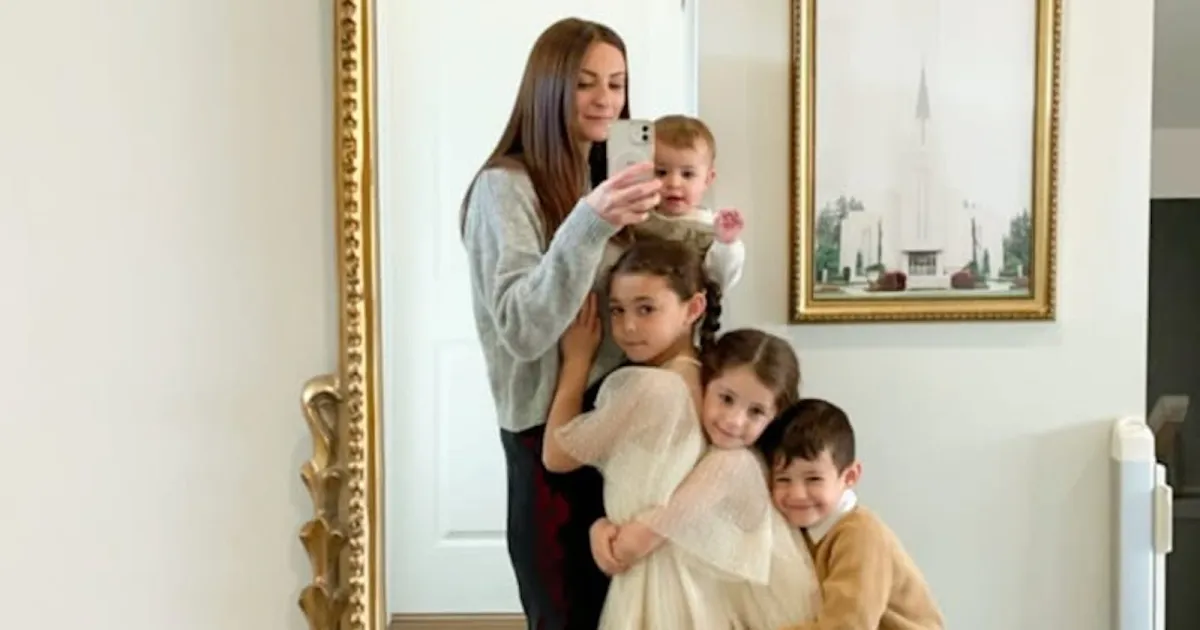
In a heart-wrenching turn of events that has left the social media world stunned, influencer Melissa Mae Carlton and her husband Tom are navigating the unthinkable—the loss of their second child in less than a year. Their youngest daughter Molly passed away on Christmas Day 2024, just eight months after they lost their nine-year-old daughter Abigail in April. The devastating news has prompted an outpouring of support from followers and friends, including fundraising efforts that the grieving parents have now accepted to help with mounting medical and funeral expenses.
“This time is quite different,” Melissa acknowledged on Instagram regarding the fundraisers being organized for her family. While they had declined financial assistance following Abigail’s passing, the circumstances surrounding Molly’s death have created what she described as “lots of different expenses, complications and unknowns.” The influencer expressed profound gratitude for the kindness shown by supporters during this unimaginably difficult time, writing, “experiencing this kindness is an overwhelming thing to experience. People are amazing.” The vulnerability in her words reflects not only her grief but also the unexpected challenges that accompany such tragic loss—practical concerns that emerge even as parents struggle to process their emotional devastation.
Unlike with Abigail’s sudden passing, Melissa shared that medical professionals may have identified a potential cause for Molly’s death. “The doctors believe Molly had a genetic heart condition and suspect this may have been the case with Abi, as well,” she revealed. This information represents a critical development not only for the Carlton family but potentially for other families who have experienced Sudden Unexpected Death in Children (SUDC). Melissa explained that because Molly was hospitalized before her passing, doctors were able to monitor her condition in a way that wasn’t possible with Abigail. “I’ve never felt satisfied with the answers we were given for her,” Melissa admitted regarding her older daughter’s death, suggesting that this new medical insight might provide some context for both tragedies. Medical professionals told the family that even a minor illness could potentially trigger a sudden cardiac event with this type of condition—a devastating reality that adds another layer to their grief.
The circumstances surrounding Molly’s final days contained what Melissa described as “many small miracles,” even though they couldn’t prevent the ultimate heartbreaking outcome. Paramedics were stationed just minutes away from where Molly experienced her medical emergency, and the pediatric trauma center was a mere fifteen-minute drive. “We were in the best possible place, with everything aligned for the best conditions and the best outcome,” Melissa reflected with the painful awareness that sometimes even ideal circumstances cannot change fate. Despite having access to immediate, high-quality medical care, the family was told that “this type of cardiac event is, in most cases, not survivable.” The Carltons now face the prospect of genetic testing for their family, seeking answers that might protect their two remaining children, Lily and Harry.
When announcing Molly’s death on December 26th, Melissa captured the raw emotional landscape of parents facing an incomprehensible loss: “We are devastated. In disbelief. Confused and in shock.” Her words echo the universal nightmare of every parent—outliving a child—made exponentially more painful by experiencing it twice within such a short timeframe. “I am not ready for this pain,” she wrote, giving voice to the impossible weight of grief that had returned to their lives. “I am scared of what life looks like now for us. I am heartbroken for our children,” she added, acknowledging the ripple effects of loss on their family unit, particularly on Lily and Harry, who have now lost two siblings.
The Carlton family’s story highlights the fragility of life and the unpredictable nature of tragedy. While many social media influencers share carefully curated glimpses into seemingly perfect lives, Melissa’s candid documentation of her family’s journey through grief provides a stark reminder of the realities that can touch any family, regardless of how blessed they may appear from the outside. As they move forward with genetic investigations that may provide more answers about what happened to both Abigail and Molly, the Carltons face the delicate balance of honoring their daughters’ memories while creating a path forward for their surviving children. Their willingness to share information about the suspected genetic heart condition demonstrates their commitment to potentially helping other families, even in the midst of their own profound pain—a testament to the resilience of parents who, even in darkness, seek to create meaning from unimaginable loss.