


Cold Case Breakthrough: 1975 San Diego Murder Solved After 50 Years
In a significant breakthrough for cold case investigators, authorities have arrested an Indiana man for a brutal murder that occurred more than half a century ago in San Diego. The San Diego Police Department announced on January 22 that they had finally solved the 1975 killing of Edmund LaFave, bringing closure to a case that had remained a mystery for decades. This resolution highlights the remarkable advancements in forensic technology and the unwavering commitment of law enforcement to pursue justice, no matter how much time has passed.
The case began on February 25, 1975, when officers discovered the body of 34-year-old California resident Edmund LaFave in his San Diego bedroom. The crime scene was particularly gruesome – LaFave had been repeatedly stabbed and “severely beaten,” lying in what investigators described as a “pool of blood.” Despite exhaustive investigative efforts at the time, the case eventually went cold, leaving LaFave’s killer walking free and his loved ones without answers. For nearly five decades, the case remained unsolved despite periodic reviews by investigators determined to bring the perpetrator to justice. The San Diego Police Department’s Cold Case Team, established in 1995, continued to revisit the evidence, hoping for a breakthrough that would finally crack the case.
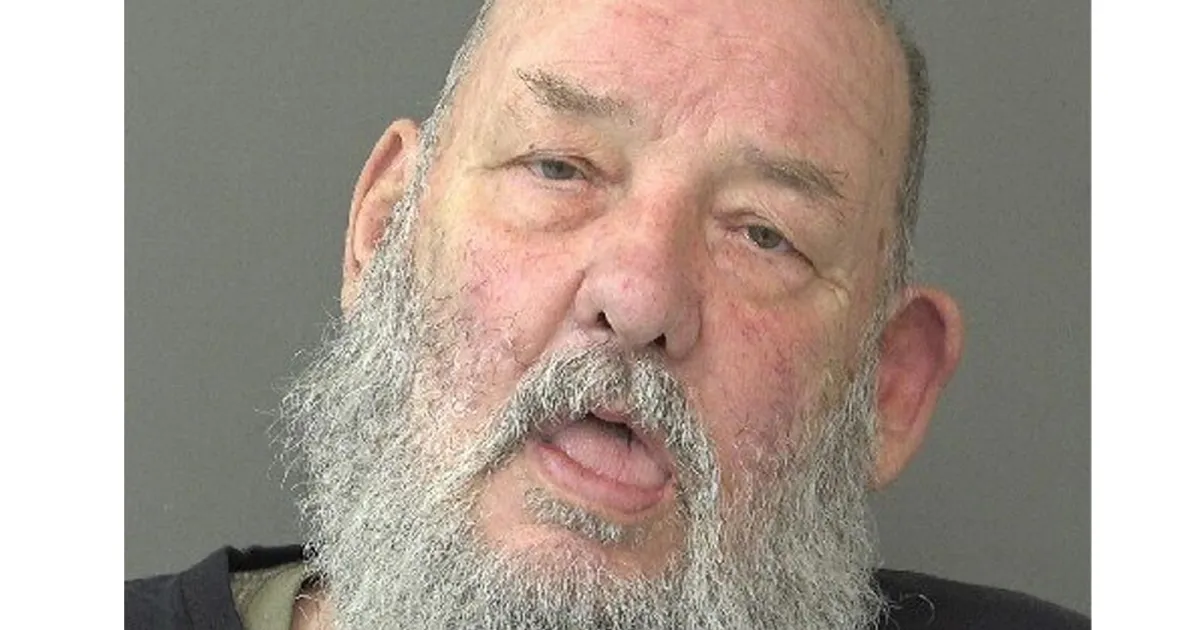
That breakthrough finally came through forensic investigative genetic genealogy technology, a revolutionary approach that has transformed cold case investigations across the country. This advanced DNA analysis technique led investigators to 71-year-old Johnnie Salisbury of Syracuse, Indiana. Forensic evidence linked Salisbury to LaFave’s death, prompting authorities to apprehend him on homicide charges in North Webster, Indiana, on January 21. He was subsequently booked into Kosciusko County Jail, where he awaits an extradition hearing that will likely return him to California to face justice for the decades-old crime. Authorities have not yet disclosed potential motives for the killing or what relationship, if any, existed between Salisbury and LaFave, leaving some questions still unanswered as the legal process begins.
The resolution of LaFave’s murder represents just one of many cold cases that have been solved in recent years thanks to advances in forensic science. In California, the commitment to resolving unsolved crimes extends beyond technological innovation to include financial incentives through the Governor’s Reward Program for Unsolved Crimes. Created by the state legislature, this program allows California law enforcement officials to recommend rewards for information that helps secure arrests or convictions in open cases. Governor Gavin Newsom may offer up to $50,000 for information about unsolved crimes, and up to $100,000 for tips about crimes against first responders or arson in places of worship. These rewards acknowledge the crucial role that community involvement plays in solving long-dormant cases, particularly when witnesses who may have been reluctant to come forward initially reconsider their silence as decades pass.
The impact of solving cold cases extends far beyond the mere application of justice—it provides essential closure for families who have lived with unanswered questions and unresolved grief for years or even decades. This was evident in another California cold case mentioned by authorities: the 1982 murder of 14-year-old De Anna Lynn Johnson in Solano County. On December 22, Governor Newsom announced that three people were awarded $50,000 for sharing tips that helped solve Johnson’s murder, leading to the conviction of Marvin Markle, who received a life sentence for first-degree murder. Solano County District Attorney Krishna Abrams emphasized the community impact of both the crime and its resolution, stating, “The murder of De Anna Lynn Johnson, a young Vacaville student, rocked our entire community… I’m especially thankful for the citizens who were willing to come forward as they helped bring closure to De Anna Lynn’s loved ones after 40+ years.”
As the legal process unfolds for Johnnie Salisbury in the Edmund LaFave case, authorities continue to pursue justice in other unsolved murders. Currently, two $50,000 rewards are available for information that helps solve the 2009 cold case murder of 16-year-old Antonio Nunez and the 2018 killing of 28-year-old Arthur Jordan. The San Diego Police Department encourages anyone with information on LaFave’s killing to contact their Homicide Unit or Crime Stoppers, recognizing that even decades after a crime, new witnesses or information can emerge to help bring perpetrators to justice. These cases remind us that while justice may be delayed, the commitment to solving crimes and providing answers to victims’ families never expires—and with advancing technology and persistent investigation, even the coldest of cases can finally be solved.